
Drug Rehab in North Carolina
Finding drug rehab in North Carolina starts with knowing what levels of care exist and who pays for them. The state has 430 SAMHSA-listed facilities, from detox to weekly outpatient counseling. This guide explains each step before you call anyone.
Where drug rehab in North Carolina is
Rehab centers cluster around the state's larger metros, and knowing the local count helps you narrow a search fast. Charlotte lists 27 facilities, Raleigh 19, Durham 18, Asheville 17, Greensboro and Winston Salem 15 each, and Gastonia and Wilmington 14 each. Those figures come from SAMHSA FindTreatment.gov listings, and they include outpatient, residential and medication-assisted sites.
Rehab centers in North Carolina reach the mountains and the coast, with Asheville at 17 and Wilmington at 14 listed facilities. If you live outside a metro, then telehealth at 346 facilities may bridge the distance between visits. Travel time matters for outpatient programs you attend several days a week, so weigh geography against the level of care you need.





Frequently chosen rehabs in North Carolina
-
North Wilkesboro, NC
North Wilkesboro Comprehensive
- Outpatient
North Wilkesboro Comprehensive Treatment North Wilkesboro is an outpatient clinic for opioid use disorder.
- 30+ days program
-

Charlotte, NC
High Focus Charlotte
- Outpatient
High Focus Charlotte is an outpatient treatment center on Queens Road in Charlotte.
- 90+ days program
-
 Joint Commission
Charlotte, NC
The Blanchard Institute
4.6/5231 Google reviews
- Co-Occurring Mental Health
- Outpatient
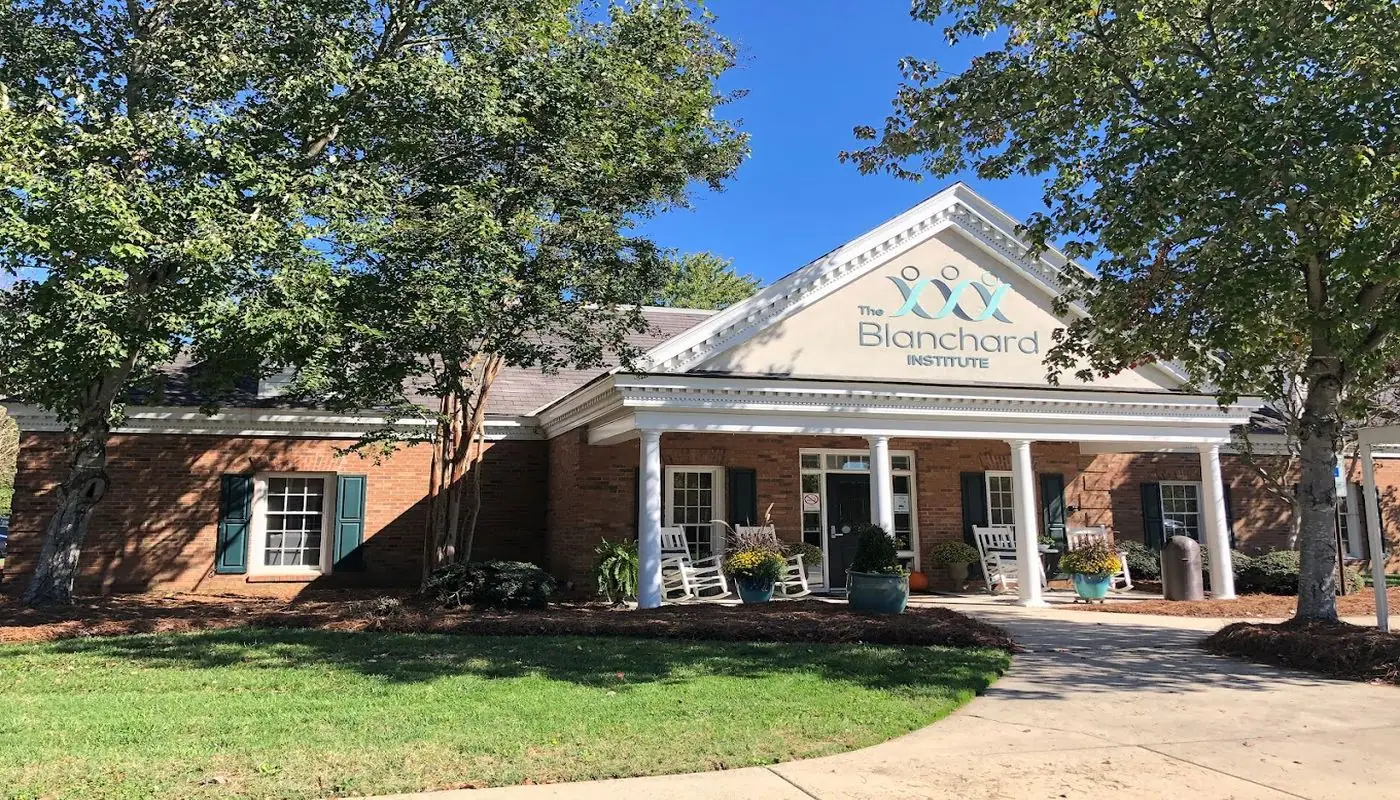
The Blanchard Institute Charlotte provides outpatient care for both mental health needs and substance use needs alongside substance misuse.
- 30 days program
-
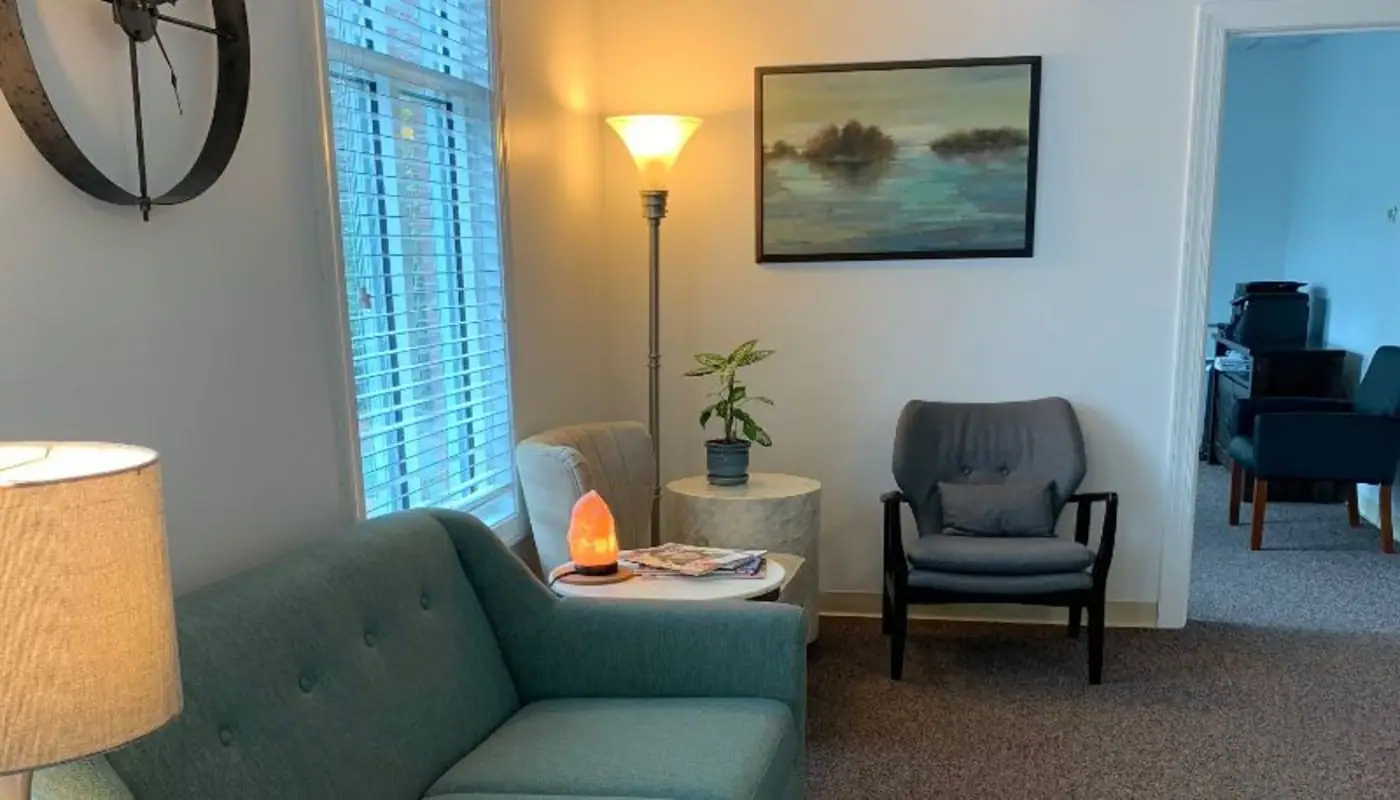
Charlotte, NC
Grace Healing Journey
- Co-Occurring Mental Health
Grace Healing Journey Charlotte is a small Christian counseling practice in south Charlotte.
- 14+ days program
- 2-5 beds
-
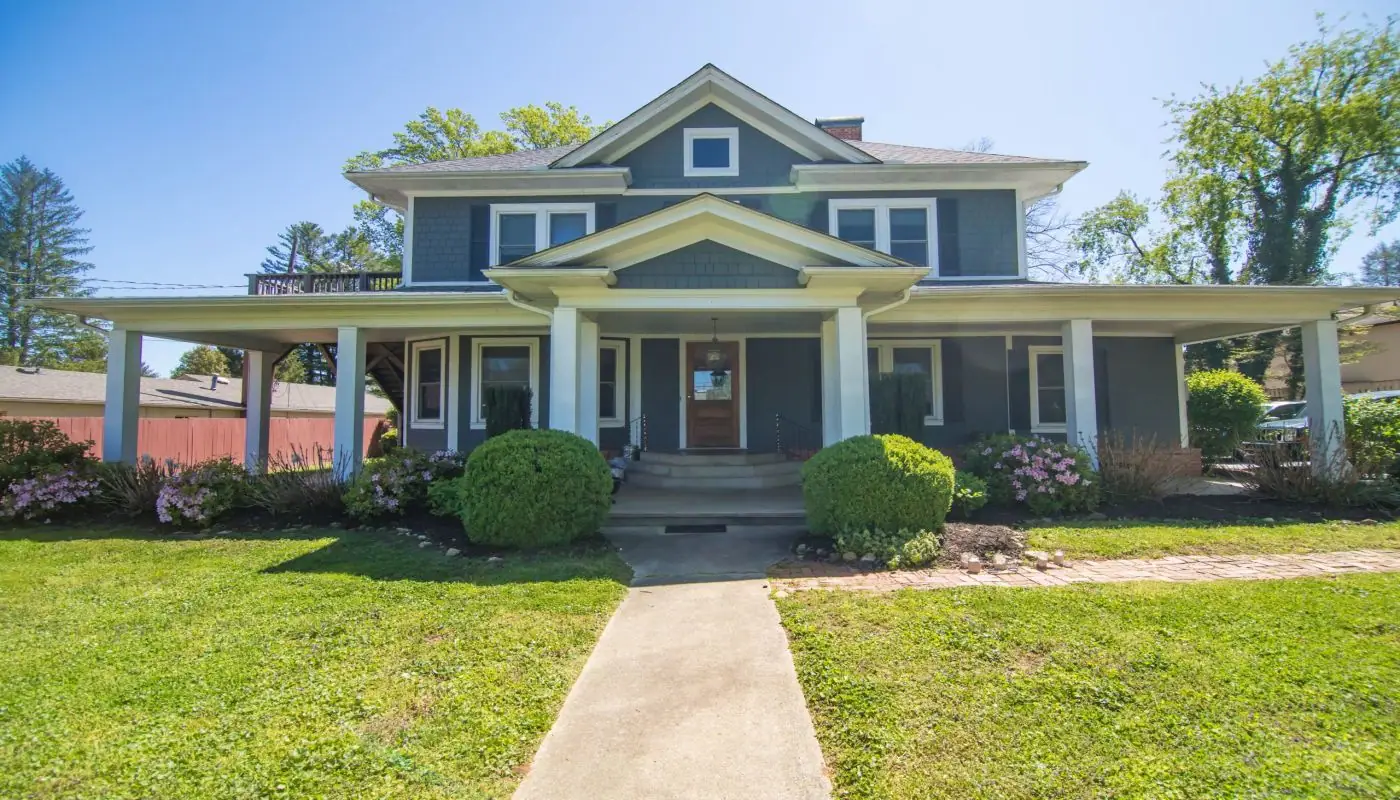
Hillsborough, NC
Hillsborough Comprehensive Treatment
- Outpatient
Hillsborough Comprehensive Treatment Hillsborough provides outpatient care for opioid use disorder.
- 30+ days program
-
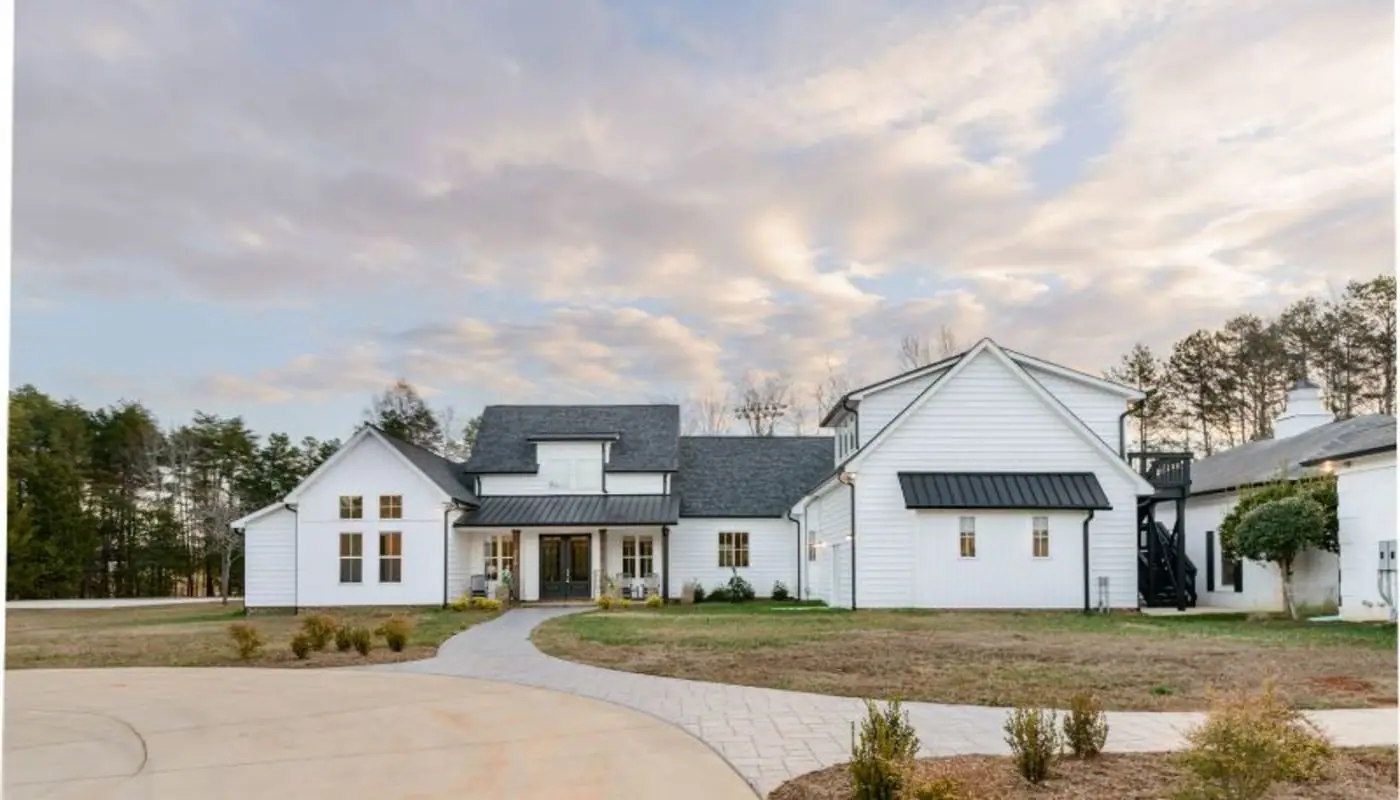
Brevard, NC
Tapestry Brevard
- Outpatient
Tapestry Brevard is a treatment center for women located in Brevard, North Carolina.
- 30+ days program
- 16-30 beds
-
 Joint Commission
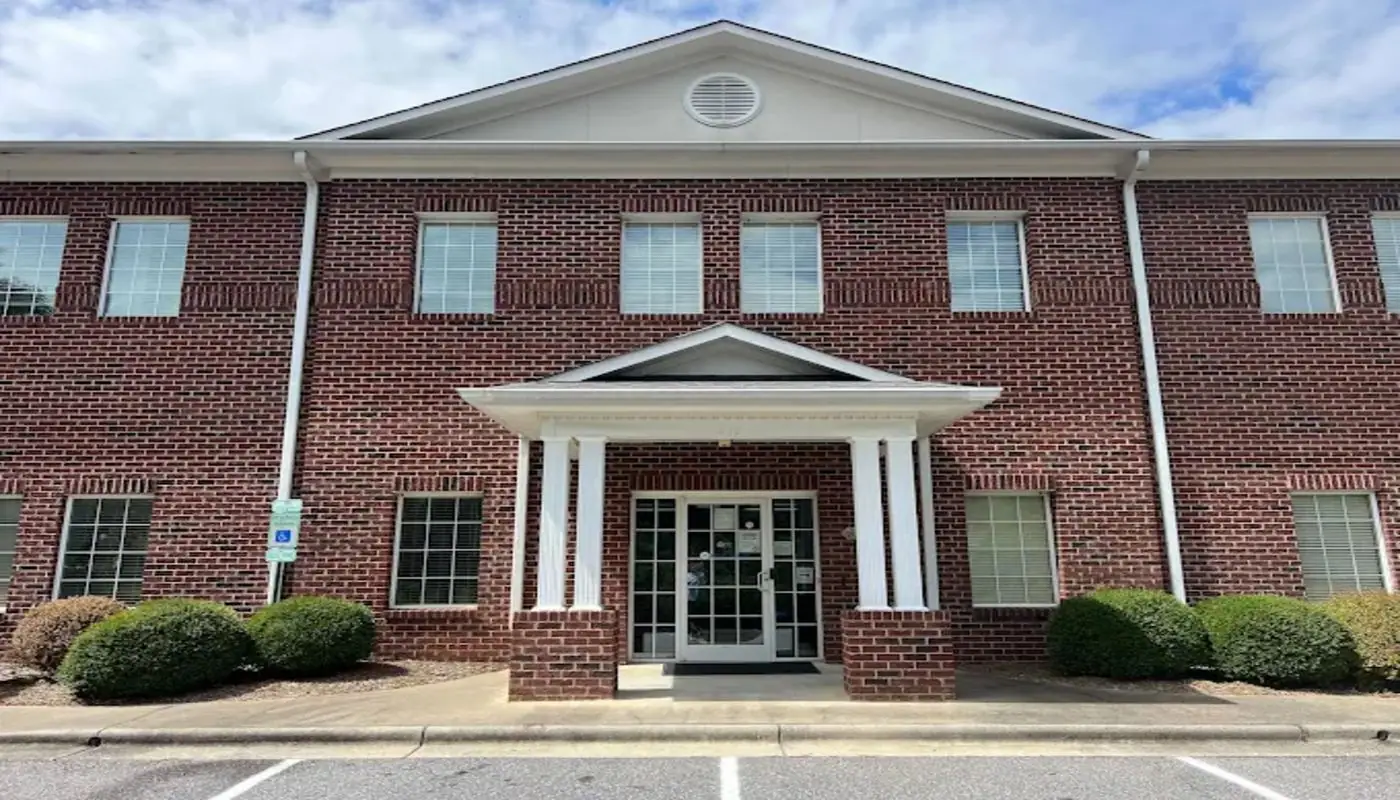
Charlotte, NC
Newport Academy North Carolina
- Co-Occurring Mental Health
- Residential Rehab
Newport Academy North Carolina Charlotte is a residential program for teenage boys.
- 90 days program
- 6-15 beds
-
Hickory, NC
Eleanor Health Hickory North Carolina
- Outpatient
Eleanor Health in Hickory provides outpatient treatment for substance use and mental health conditions.
- 5 days program

Drug rehab in North Carolina levels
Drug rehab in North Carolina is organized around levels of care, and each level matches a different intensity of need. Of the 430 SAMHSA-listed facilities, 71 offer medical detox, 60 offer inpatient or residential rehab, 72 run partial hospitalization programs, 155 run intensive outpatient programs, and 369 provide some form of outpatient rehab. Placing someone at the right level first saves weeks later.
Inpatient rehab and residential treatment programs in North Carolina number 60 among listed facilities, with detox at 71. Medical detox matters most for alcohol and benzodiazepines, where withdrawal can be dangerous and supervision is a clinical decision, not a scheduling preference. If someone needs daily medical monitoring, then a detox-connected program is the safer starting point. Outpatient rehab is the largest category at 369, which suits people with stable housing and a work schedule.
Intensive outpatient programs in North Carolina, 155 in all, sit between residential care and weekly counseling. PHP at 72 facilities offers several hours a day without overnight stays. If transportation is the barrier, then 346 listed facilities offer telehealth, which keeps counseling possible in rural counties. Someone leaving residential care often steps down to IOP rather than stopping treatment outright.
Medication to treat opioid use disorder is provided at 283 North Carolina facilities, with 70 methadone clinics. Buprenorphine is offered at 283 sites, and naltrexone at 227. If a program doesn't provide medications, ask for a referral before you rule out care, since the lack of medication is often the real obstacle rather than motivation.
North Carolina overdose data
Newest CDC provisional figures count 2,025 overdose deaths in North Carolina during the 12 months ending May 2026, a 20 percent decrease from 2,544 the year before. Opioid deaths dropped to 1,439 from 1,852, down 22 percent, and fentanyl deaths dropped to 1,218 from 1,662, down 27 percent.
Cocaine deaths in North Carolina reached 838 over the same period, and methamphetamine deaths 613. Those numbers are lower than the prior year but still substantial, and they explain why programs screen for more than opioids. Heroin deaths dropped to 19 from 28, and prescription opioid deaths to 243 from 264. If someone has been using after a period of abstinence, then tolerance loss raises overdose risk sharply, and that is a reason to reach a program sooner rather than later.
Lower statewide totals do not mean any county is safe. If a family member is using alone, then having naloxone on hand and knowing the 988 crisis line can matter while you arrange treatment. These are not substitutes for care, but they buy time.
| Drug | Past year | Prior year | Shift |
|---|---|---|---|
| All drug overdoses | 2,025 | 2,544 | -20% |
| Opioid-involved overdoses | 1,439 | 1,852 | -22% |
| Fentanyl and lab-made opioids | 1,218 | 1,662 | -27% |
| Diacetylmorphine (heroin) | 19 | 28 | -32% |
| Opioid painkillers (prescribed) | 243 | 264 | -8% |
| Methamphetamine | 613 | 760 | -19% |
| Cocaine | 838 | 1,005 | -17% |
CDC provisional figures, 12 months ending May 2026. Recent months can climb as reports arrive.
Paying for rehab in North Carolina
Cost is the question most callers ask first, and North Carolina has more coverage paths than many people expect. Medicaid is accepted at 340 listed facilities, Medicare at 278, private insurance at 330, TRICARE at 192, and state insurance at 267. Self-pay is listed at 384 facilities, which tells you how common out-of-network care still is.
Medicaid in North Carolina expanded under the federal parity law framework, and 340 facilities accept it. Expansion means more adults with low incomes now qualify than in past years. If you are unsure about eligibility, then ask the state Medicaid program directly before assuming you will pay cash. Sliding-scale fees are listed at 99 facilities, payment assistance at 89, and 15 report no fee at all.
Federal block grant money pays for treatment in North Carolina at 210 listed facilities, so expense should not stop the search. If a program does not take your plan, ask whether it offers sliding-scale fees or can refer you to one that does. Under federal parity law, most plans must cover treatment for substance use much as they do medical care, and an appeal should include that point. A call that costs nothing can help sort out which path suits you.
- take Medicaid
- 340
- accept commercial coverage
- 330
- take Medicare
- 278
- provide income-based rates
- 99

What to expect on your helpline call
A treatment advisor answers the helpline 24 hours a day, and the call is free and confidential with zero commitment. Advisors do not diagnose and are not clinicians; they work with licensed providers. Expect about ten to fifteen minutes of questions, not a sales pitch.
People who answer the drug rehab helpline in North Carolina ask about substance use, insurance, and location. They ask what substance is involved, how long it has been used, whether withdrawal symptoms have shown up, what insurance you carry, and how far you can travel. If you have paperwork from a recent assessment, share it, since it can speed placement. Then they describe facilities whose level of care fits, including 71 detox and 60 residential options.
Nothing is booked without your consent, and you can end the call at any point. If you are not ready, then take the information and call back later; the line does not close. For a medical emergency or a crisis in progress, call 988 or 911 rather than the helpline.

What drug rehab in North Carolina treats
Programs here address alcohol, opioids, fentanyl, heroin, methamphetamine, cocaine and benzodiazepines, and the treatment mix differs by substance. Alcohol detox is offered at 52 listed facilities, opioid and heroin detox at 70, methamphetamine detox at 44, cocaine at 43, and benzodiazepine detox at 46. Medication for alcohol use disorder is listed at 195 facilities, which matters because counseling alone is not the only option.
Dual diagnosis care in North Carolina combines addiction treatment with mental health services at many listed centers. When anxiety, depression or trauma exists alongside substance use, ask whether the program screens for both, since untreated mental health conditions often make early recovery harder. Stopping alcohol and benzodiazepines can be risky so clinical supervision should guide it and nobody should taper alone. Detox facilities handle that assessment when you get there.
How the intake process works
- 1
Call and describe the situation
An advisor takes a short history: substance, duration, withdrawal symptoms, insurance and location. They explain what each level of care involves before asking anything else.
- 2
Confirm coverage and cost
The advisor checks whether Medicaid, private insurance, TRICARE or self-pay applies and mentions sliding-scale facilities where relevant. You get a realistic picture of cost, not a guess.
- 3
Match to a level of care
Detox, residential, PHP, IOP or outpatient is chosen based on medical need and daily logistics. The advisor names providers in your area and what to ask them.
- 4
Arrange the first appointment
With your consent, the advisor helps schedule an assessment. Nothing is promised in advance, and the provider makes the final admission decision.
Common questions
Does North Carolina Medicaid pay for inpatient rehab?
Medicaid is accepted at 340 SAMHSA-listed facilities in North Carolina, and Medicaid expansion under the state program means more adults qualify than before. Inpatient coverage depends on medical necessity, which the provider assesses. Call the state Medicaid program to confirm eligibility, then ask the facility directly whether it bills Medicaid for residential care.
Does North Carolina have a bad drug problem?
The CDC counts 2,025 overdose deaths over the 12 months ending May 2026, a 20 percent drop from 2,544. Opioids account for 1,439 and fentanyl for 1,218 of those deaths. The trend is improving, yet the totals stay high enough that access to treatment matters in every county. Local numbers vary widely, so ask providers about the area.
How long does inpatient rehab usually last?
Length of stay varies by clinical need and is set by the provider after assessment, not by a standard number. SAMHSA-listed facilities in North Carolina include 60 offering inpatient or residential care and 71 offering detox, with step-down to PHP or IOP afterward. Ask each program how it decides duration and what aftercare it arranges.
Which inpatient mental health facilities in North Carolina accept Medicaid?
Many do, and the broader figure helps: 340 listed facilities accept Medicaid, and 25 are hospital-based programs. Dual diagnosis care, which treats mental health and substance use together, is offered at a number of centers. Ask specifically whether the program takes Medicaid for psychiatric care as well as addiction treatment.
What are the major drug problems in North Carolina?
Opioids and fentanyl dominate, with 1,439 opioid and 1,218 fentanyl deaths in the latest 12-month period. Cocaine at 838 and methamphetamine at 613 follow. Prescription opioids at 243 and heroin at 19 are lower. Programs screen for polysubstance use because people rarely use one substance alone.
Who qualifies for inpatient rehab?
Qualification is a clinical decision based on withdrawal risk, safety, prior treatment and daily support. Medical detox at 71 listed facilities and residential care at 60 serve people who need supervision. If outpatient is a better fit, then 155 IOP and 369 outpatient programs offer alternatives. Only the provider can determine admission.
Talk with someone about drug rehab
One free call connects you with a treatment advisor who explains levels of care, checks coverage options and helps you plan the next step. The line is open 24 hours, confidential, and you decide what happens next.