
Drug rehab Charlotte what to expect
Drug rehab Charlotte starts with knowing what's available locally. Charlotte has 27 facilities listed for substance use treatment as of November 2026. Five offer detox and 5 provide residential care.
- facilities listed
- 27
- take Medicaid
- 16
Charlotte's 27 SAMHSA-listed facilities span a range of care levels, so you can find help close to home. Five centers offer detox, five provide residential treatment, six run partial hospitalization programs, twelve offer intensive outpatient, and 21 provide standard outpatient services. Detox and residential care in Charlotte give you a structured start when withdrawal risk is high.
Medication-assisted treatment is also available: 3 opioid treatment programs and 19 buprenorphine-prescribing facilities are listed. Fourteen programs address dual diagnosis, 13 serve teens, and 10 work with veterans. For Charlotte residents, 16 facilities accept Medicaid and 22 take private insurance.
Distance matters when you're choosing care. Gastonia, with 14 facilities, is the closest nearby city to Charlotte, followed by Greensboro and Winston Salem with 15 each. Raleigh (19) and Durham (18) are farther east, and Asheville (17) sits in the mountains. If you live in Charlotte, starting with local detox and outpatient options can shorten the drive and keep follow-up care practical.

Paying for drug rehab in Charlotte
Sixteen Charlotte facilities take Medicaid, 16 take Medicare, 22 accept private insurance, and 6 offer sliding-scale fees. The federal parity law means most insurance plans must cover substance use treatment much as they cover medical care, though you should confirm network status. If you carry private insurance, then 22 facilities in Charlotte may be in-network or able to work with you on cost.
North Carolina's Medicaid program covers many treatment services, but which level of care and which facility can vary. Six centers use sliding scales, and 5 offer Spanish-language services. When cost is a concern, then asking about sliding-scale fees and Medicaid acceptance before you visit can prevent surprises.
- take Medicaid
- 16
- accept commercial coverage
- 22
- take Medicare
- 16
- provide income-based rates
- 6

Rehabs located in Charlotte
-

Charlotte, NC
High Focus Charlotte
- Outpatient
High Focus Charlotte is an outpatient treatment center on Queens Road in Charlotte.
- 90+ days program
-
 Joint Commission
Charlotte, NC
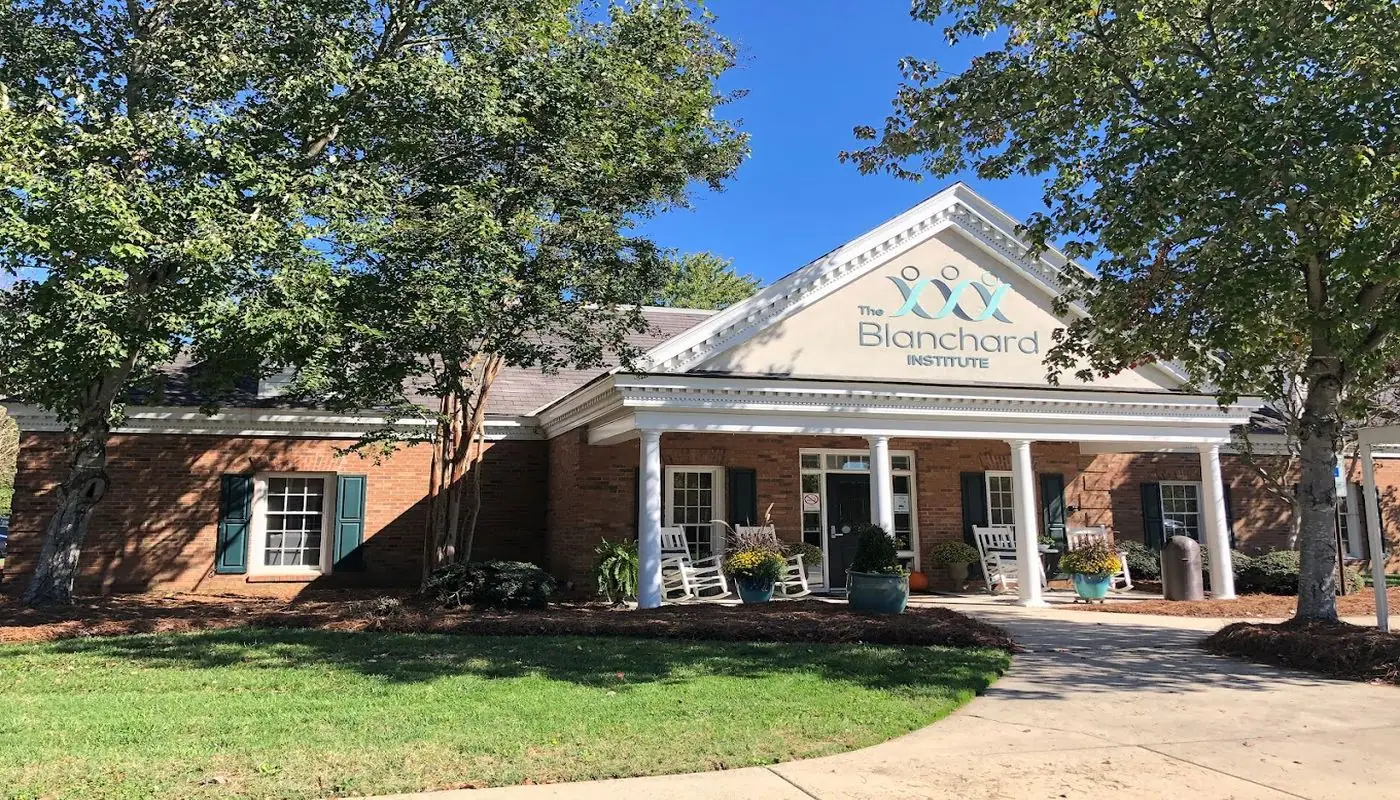
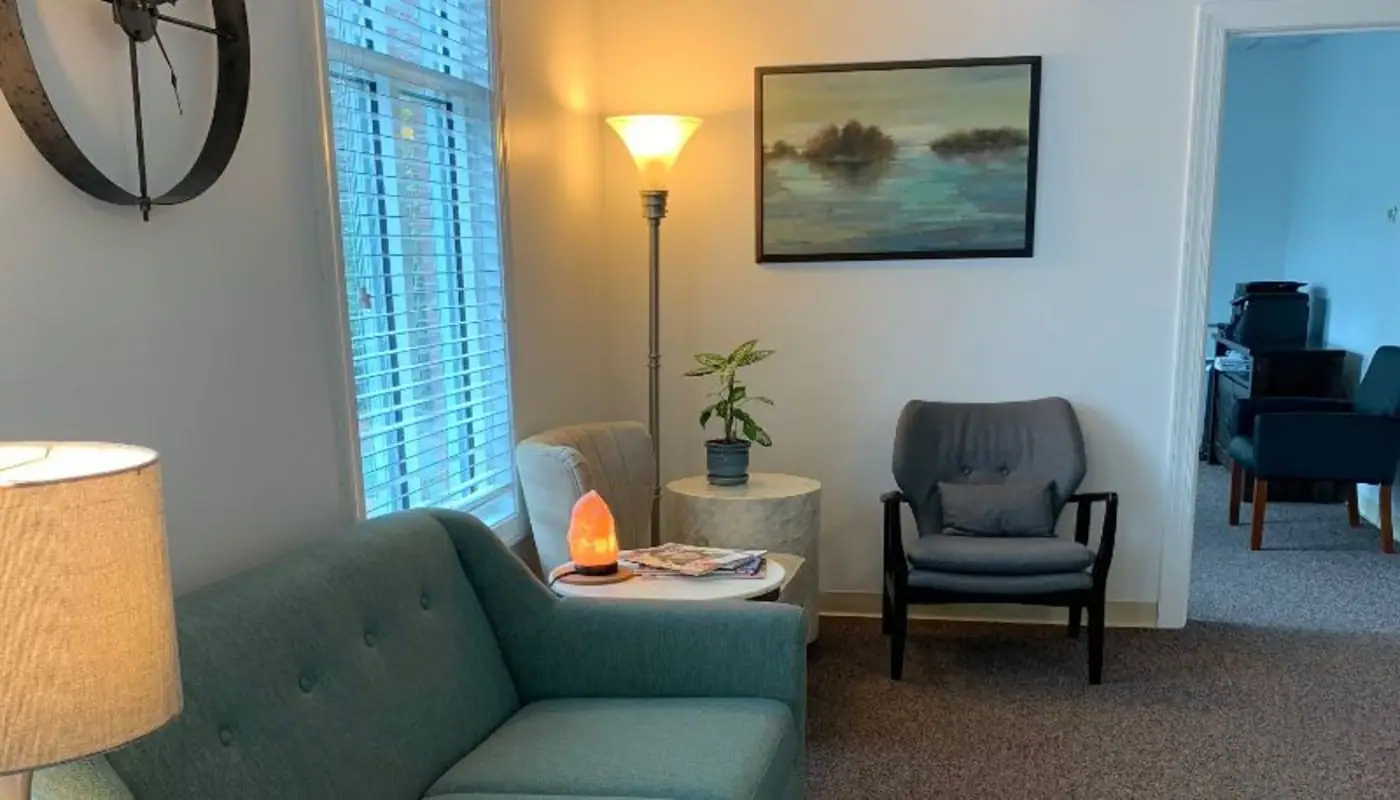
The Blanchard Institute
4.6/5231 Google reviews
- Co-Occurring Mental Health
- Outpatient
The Blanchard Institute Charlotte provides outpatient care for both mental health needs and substance use needs alongside substance misuse.
- 30 days program
-
Charlotte, NC
Grace Healing Journey
- Co-Occurring Mental Health
Grace Healing Journey Charlotte is a small Christian counseling practice in south Charlotte.
- 14+ days program
- 2-5 beds
-
 Joint Commission
Charlotte, NC
Newport Academy North Carolina
- Co-Occurring Mental Health
- Residential Rehab
Newport Academy North Carolina Charlotte is a residential program for teenage boys.
- 90 days program
- 6-15 beds
-
 Joint Commission
Charlotte, NC
Harmony Recovery Center
4.1/5221 Google reviews
- Outpatient
Harmony Recovery Center is an outpatient facility in Charlotte, North Carolina.
-
Charlotte, NC
Carolina Center for Recovery
4.8/5556 Google reviews
- Co-Occurring Mental Health
- Outpatient
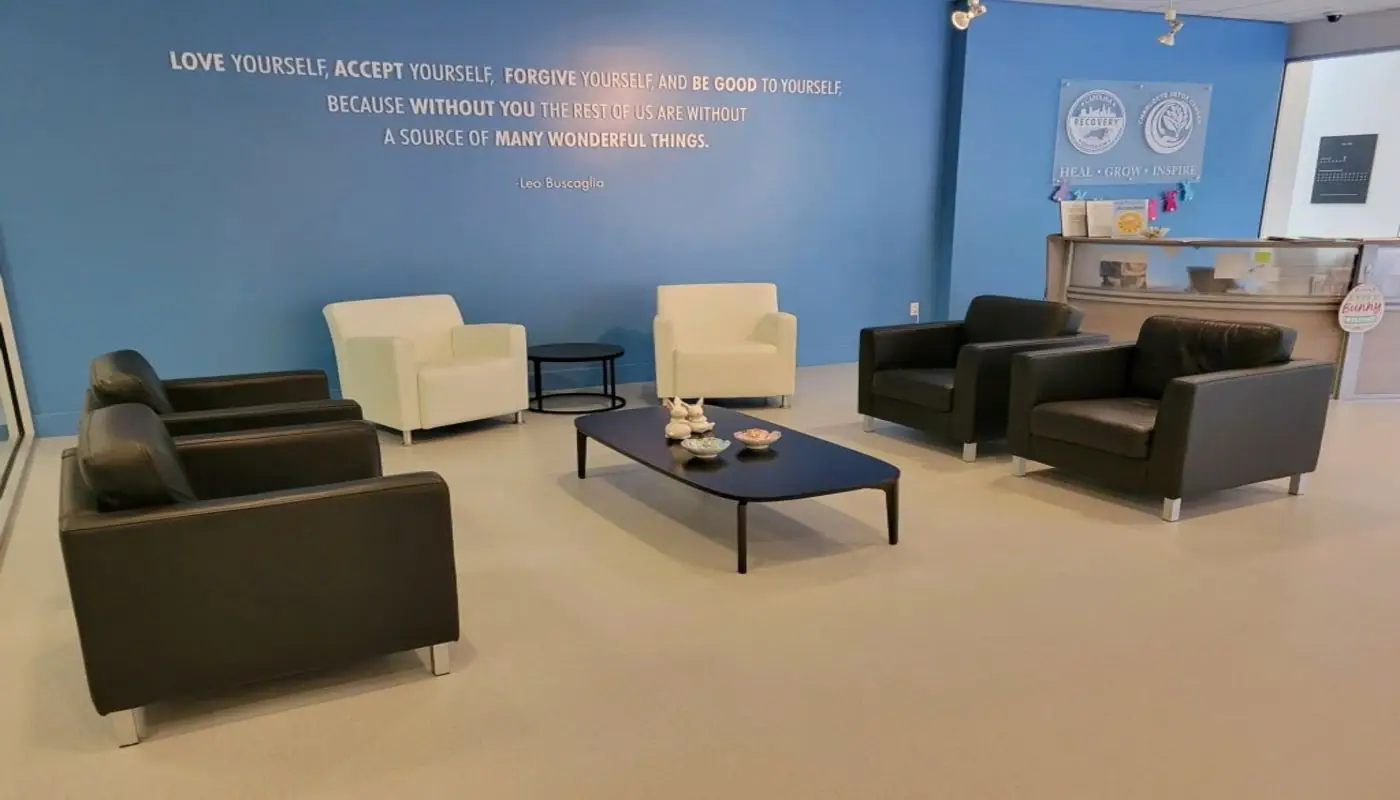
Carolina Center for Recovery Charlotte is an outpatient program for adults with substance use and co-occurring conditions.
- 30 days program
-
Charlotte, NC
Charlotte Detox Center
4.8/5167 Google reviews
- Detox
- Co-Occurring Mental Health
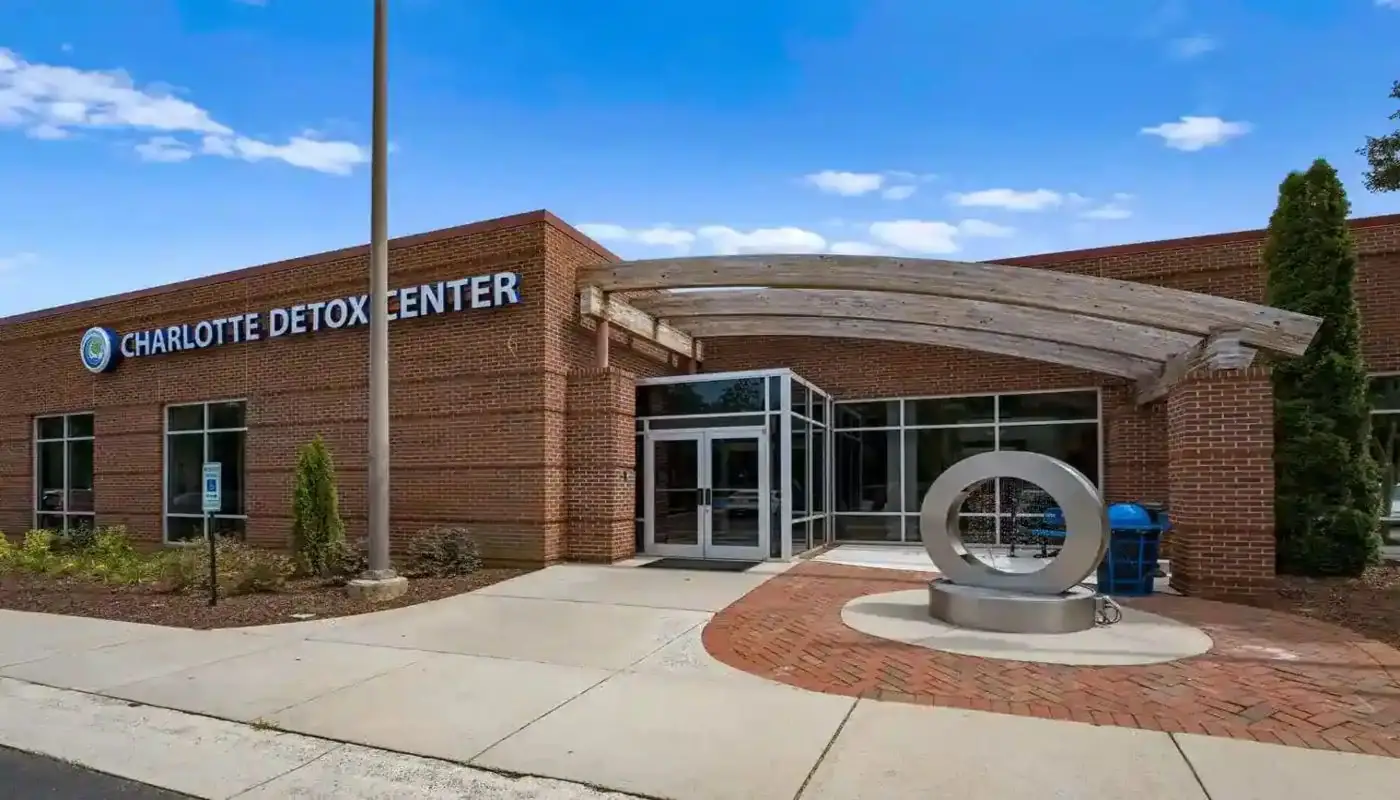
Charlotte Detox Center provides medical detox and co-occurring mental health support for adults in Charlotte, North Carolina.
- 14 days program
-

Charlotte, NC
Charlotte Rescue Mission
4.0/544 Google reviews
- Co-Occurring Mental Health
- Sober Living
- Residential Rehab
Charlotte Rescue Mission runs Dove's Nest, a residential program for adult women in west Charlotte.
- 120 days program
-
Charlotte, NC
Zenith Hope Center
- Outpatient
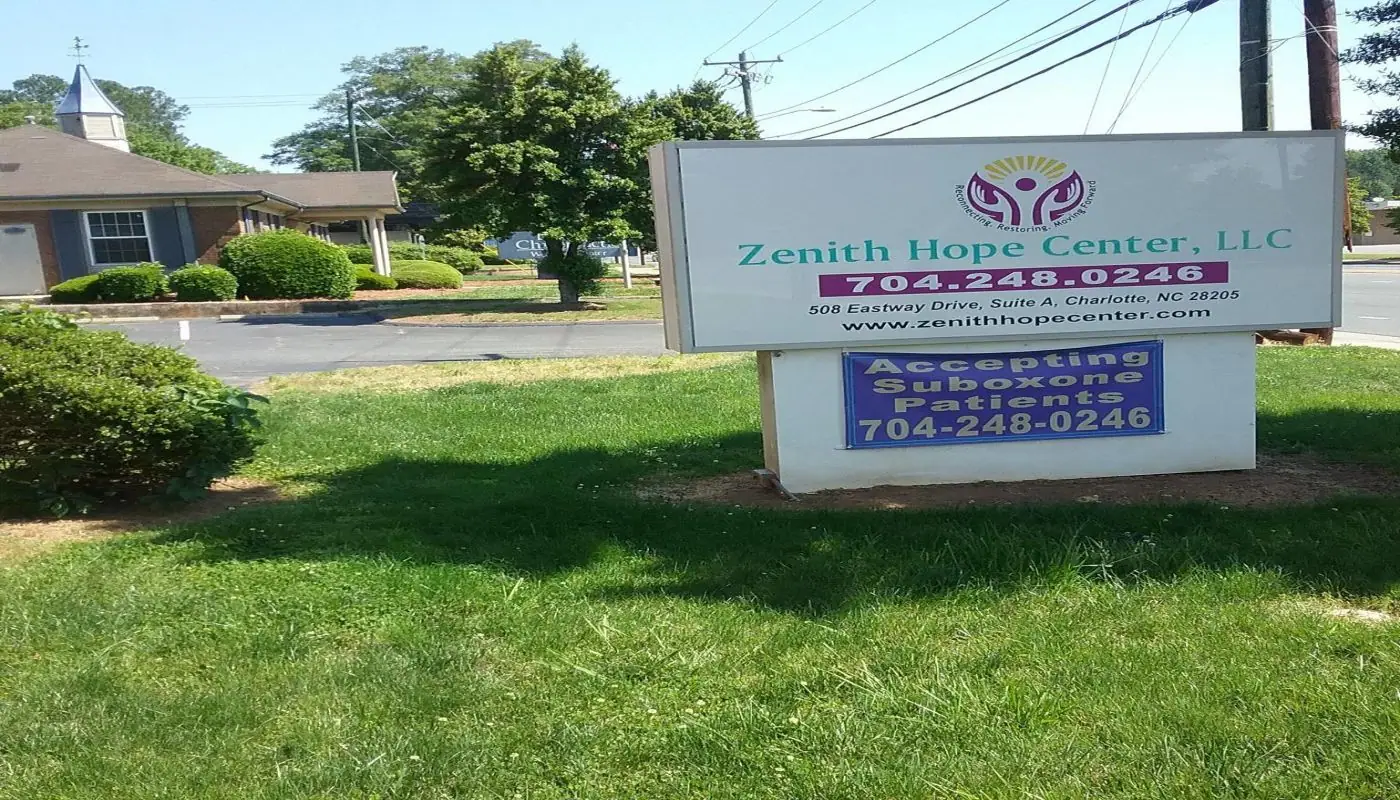
Zenith Hope Center Charlotte is an outpatient program on Eastway Drive.
- 30 days program
Listed facilities in Charlotte
| Facility | Location | Care | Takes |
|---|---|---|---|
| Charlotte Rescue Mission | Charlotte | Residential | — |
| Dilworth Center | Charlotte | PHP, IOP, Outpatient | Insurance |
| Carolina Outpatient Detox | Charlotte | Detox, Outpatient | Insurance |
| Daymark Recovery Services Inc | Charlotte | Outpatient | Medicaid, Medicare, Insurance, Sliding fee |
| Queen City Treatment Center | Charlotte | Outpatient, OTP | Medicaid, Medicare, Insurance |
| Hope Haven Inc | Charlotte | Residential | — |
| South Charlotte VA Healthcare Center | Charlotte | IOP, Outpatient | Medicare, Insurance |
| Doves Nest Program | Charlotte | Residential | — |
| Blanchard Institute | Charlotte | Detox, PHP, IOP, Outpatient | Insurance |
| Anuvia Prevention and Recovery Center | Charlotte | Detox, Residential | Medicaid, Sliding fee |
| Amity Medical Group Inc | Charlotte | Outpatient | Medicaid, Medicare, Insurance, Sliding fee |
| Insight Program | Charlotte | PHP, IOP, Outpatient | Insurance |
| Harmony Recovery Center | Charlotte | PHP, IOP, Outpatient | Insurance |
| Amity Medical Group Inc | Charlotte | Outpatient | Medicaid, Medicare, Insurance, Sliding fee |
Based on SAMHSA FindTreatment.gov records. Offerings and payment options shift, so verify by phone.
Drug rehab Charlotte levels of care
Drug rehab in Charlotte breaks into four main levels, each suited to different needs and safety risks. Detox (5 facilities) handles withdrawal with medical supervision; residential (5) provides 24/7 structure; partial hospitalization (6) offers several hours of daily treatment while you sleep at home; and intensive outpatient (12) or standard outpatient (21) fits around work and family. If you have a substance use disorder with severe withdrawal risk, then medically supervised detox in Charlotte matters before starting therapy.
Listings for opioid use include 3 opioid treatment programs and 19 facilities prescribing buprenorphine. Fourteen centers handle dual diagnosis, addressing mental health and substance use simultaneously. When you need mental health care and addiction care together, a dual diagnosis program in Charlotte can treat both at once.
Alcohol and mental well-being in Charlotte
Percentage of adults in Charlotte versus North Carolina, drawn from CDC PLACES estimates (2023).
| Figure | Charlotte | North Carolina |
|---|---|---|
| Binge drinking | 15.4% | 14.8% |
| Frequent mental hardship | 16.4% | 16.8% |
| Depression | 22.9% | 24.1% |
| Present cigarette use | 11.4% | 13.0% |
| Without coverage ages 18-64 | 11.4% | 10.7% |
Source CDC PLACES, crude adult prevalence; the state number is population-weighted across the places shown.

Other North Carolina cities within reach
If Charlotte's options don't fit, nearby cities add more choices: Gastonia (14 facilities), Greensboro (15), Winston Salem (15), Asheville (17), Durham (18), and Raleigh (19). Across the state, 430 facilities are SAMHSA-listed. If you need a level of care Charlotte lacks, checking Gastonia or Greensboro may open up a residential bed or detox slot.
Traveling a short distance can also mean shorter wait times or a program that matches your insurance. When you want to stay near home but need more options, then nearby North Carolina rehabs are worth a look.





FAQ
Does drug rehab Charlotte accept NC Medicaid for inpatient care?
Sixteen Charlotte facilities accept Medicaid, which may cover inpatient or residential care when medically necessary. North Carolina's Medicaid program sets coverage rules, so confirm with the facility before admission. No facility can promise coverage in advance.
How long do people typically stay in drug rehab in Charlotte?
How long treatment lasts depends on the level of care: detox often takes several days, residential programs typically last 28 days or longer, and outpatient care may go on for weeks or months. The right duration is set by your assessment and how you progress. Ask any Charlotte program how they determine when a person is ready to shift to a lower intensity of care.
What are the major drug problems in North Carolina?
North Carolina, like many states, faces high rates of opioid and stimulant use, along with alcohol use disorder. Charlotte's 3 opioid treatment programs and 19 buprenorphine-prescribing facilities reflect the demand for opioid-specific care. For local trends, SAMHSA and state health data are reliable sources.
Where can I find behavioral health services in Charlotte?
Charlotte has 14 facilities listed for dual diagnosis, meaning they treat mental health and substance use together. Another 13 serve teens and 10 work with veterans. Start by calling the free helpline, which can point you to SAMHSA-listed programs that match your needs and insurance.
How much does full detox cost in Charlotte?
What detox costs depends on the facility and on whether you carry insurance or Medicaid; 16 Charlotte facilities accept Medicaid and 22 accept private insurance, which may reduce what you pay out of pocket. Six centers use sliding-scale fees. Call the helpline to ask about particular programs and their charges.
Talk to someone about Charlotte care
The helpline is answered 24/7 by referral specialists tied to licensed treatment programs, at no cost and in confidence. They can explain levels of care, check insurance and Medicaid options, and help you compare the 27 listed facilities in Charlotte. Calling requires nothing of you, and no one can promise admission or outcomes. If withdrawal worries you, ask about medical supervision before deciding.