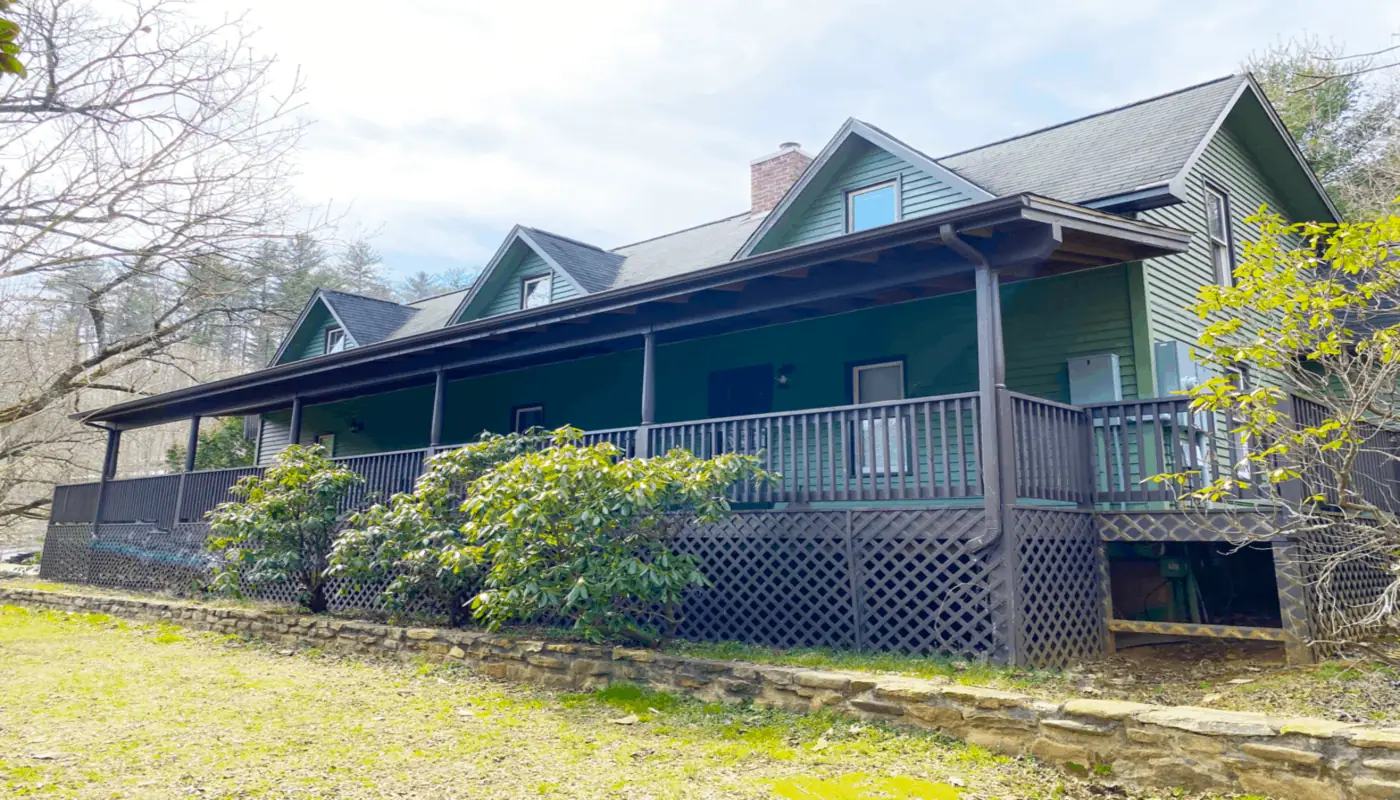
Asheville Recovery Center Asheville
Asheville Recovery Center is a Joint Commission accredited outpatient program on Old Burnsville Hill Road. It is one of 430 SAMHSA-listed facilities across North Carolina serving people with substance use disorders. Staff combine clinical care with lived experience of recovery.
- Joint Commission
- Co-Occurring Mental Health
- Outpatient
- 30 days
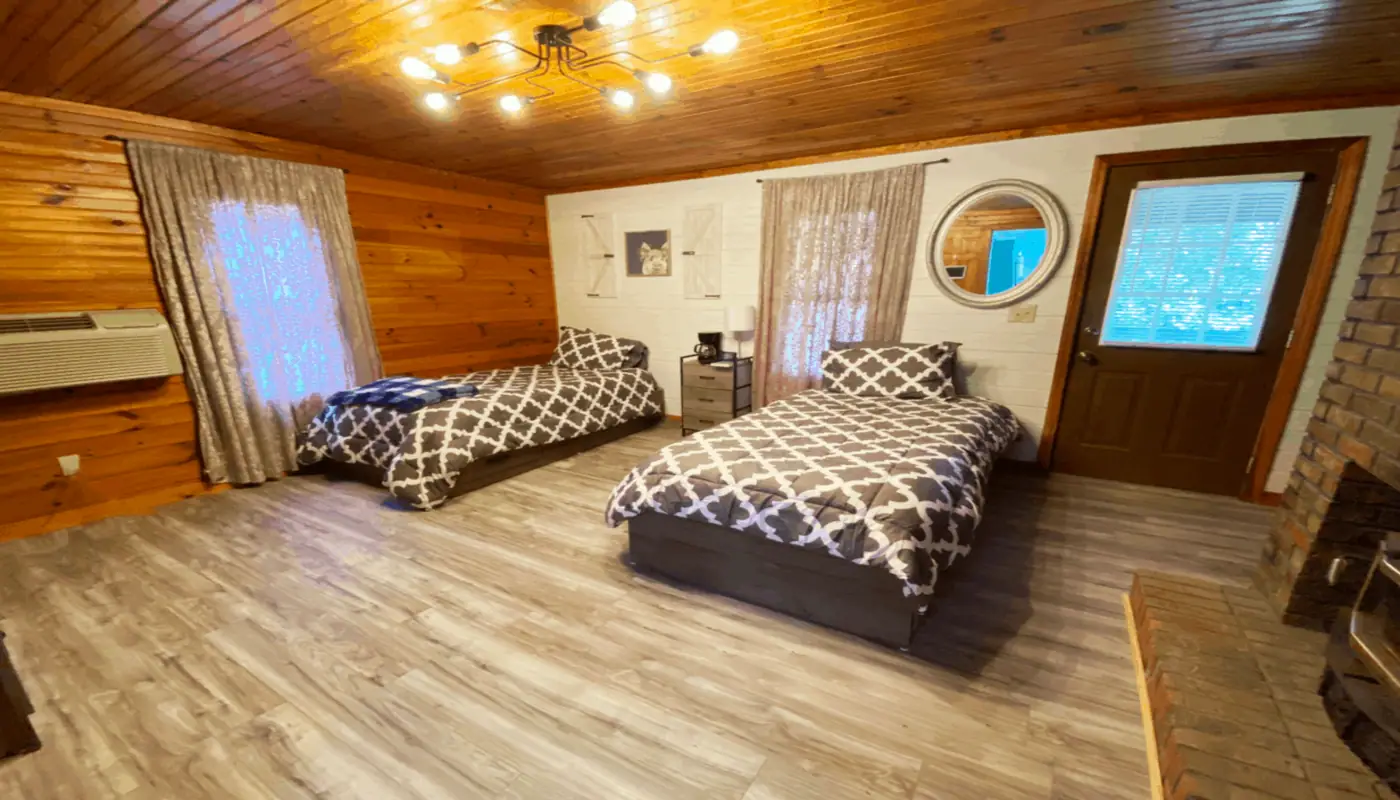
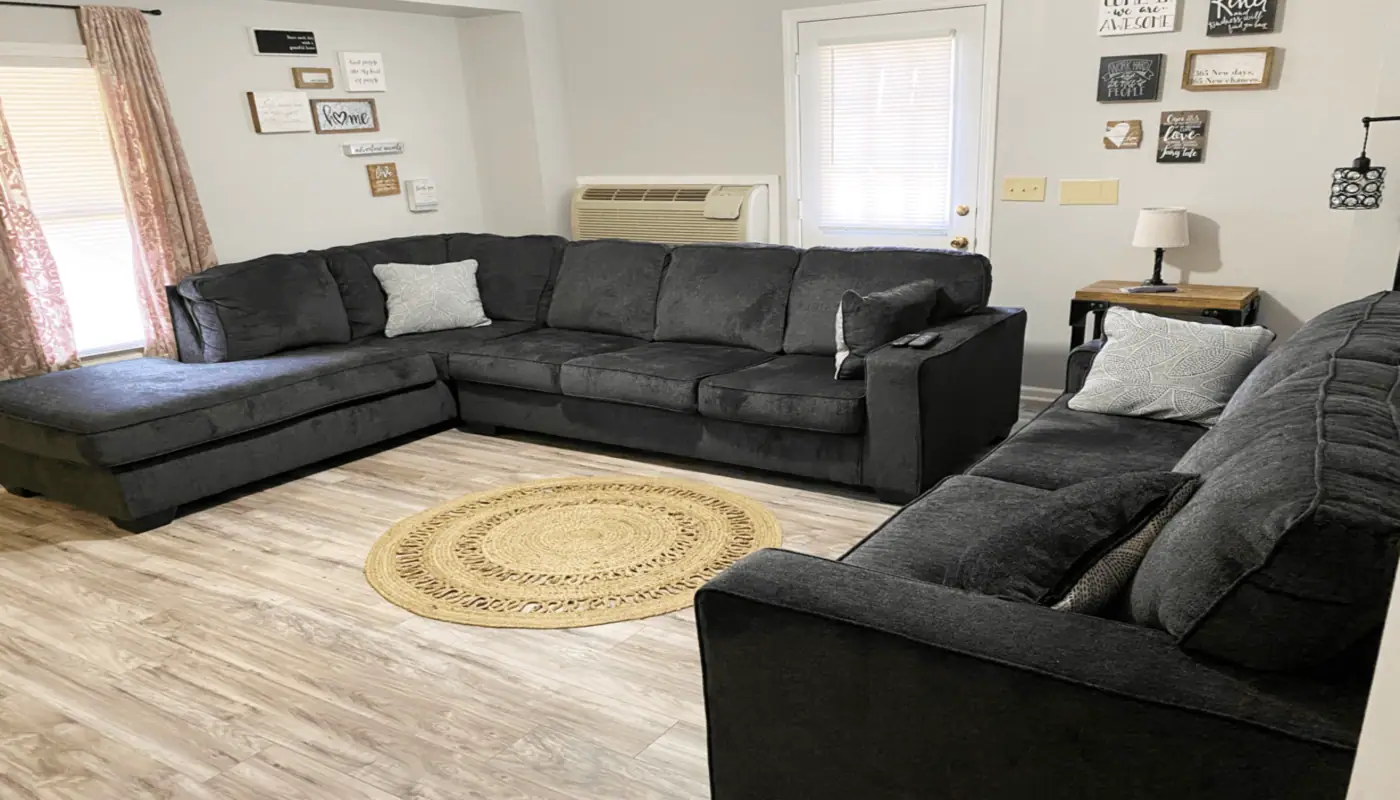
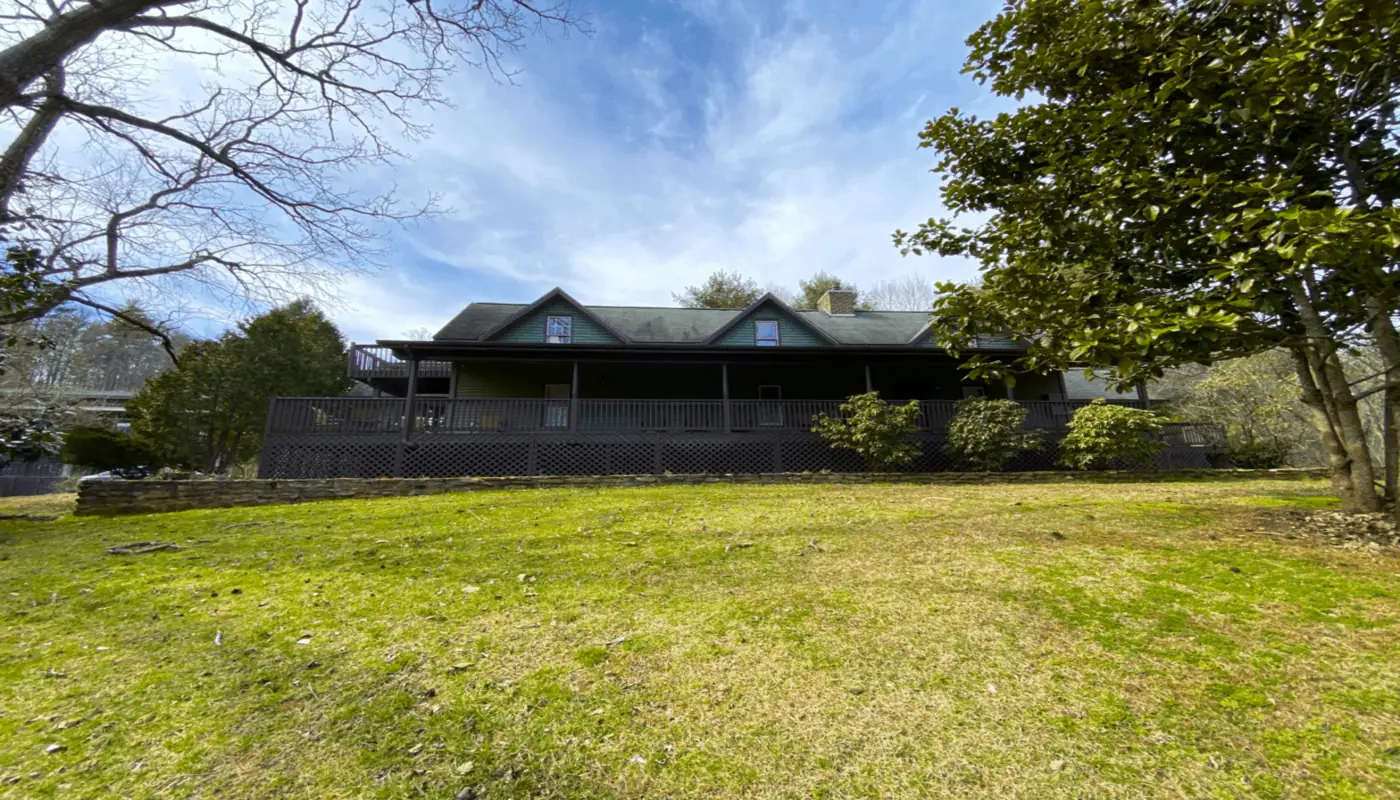
This Asheville program was built for people sorting out substance use alongside mental health concerns, and for the families standing behind them. Much of the clinical team has walked through recovery themselves, so understanding and expertise tend to arrive together rather than in sequence. Care starts with a conversation about what each person needs and where they hope to land. From there, the plan takes shape around the individual rather than a fixed script.
Treatment at this outpatient treatment center in Asheville, North Carolina carries through a full arc: assessment, structured therapy, and continued groups once the heaviest work eases. The center describes both residential and outpatient elements, with follow-up individual and group sessions that keep a supportive peer community intact after the primary phase ends.
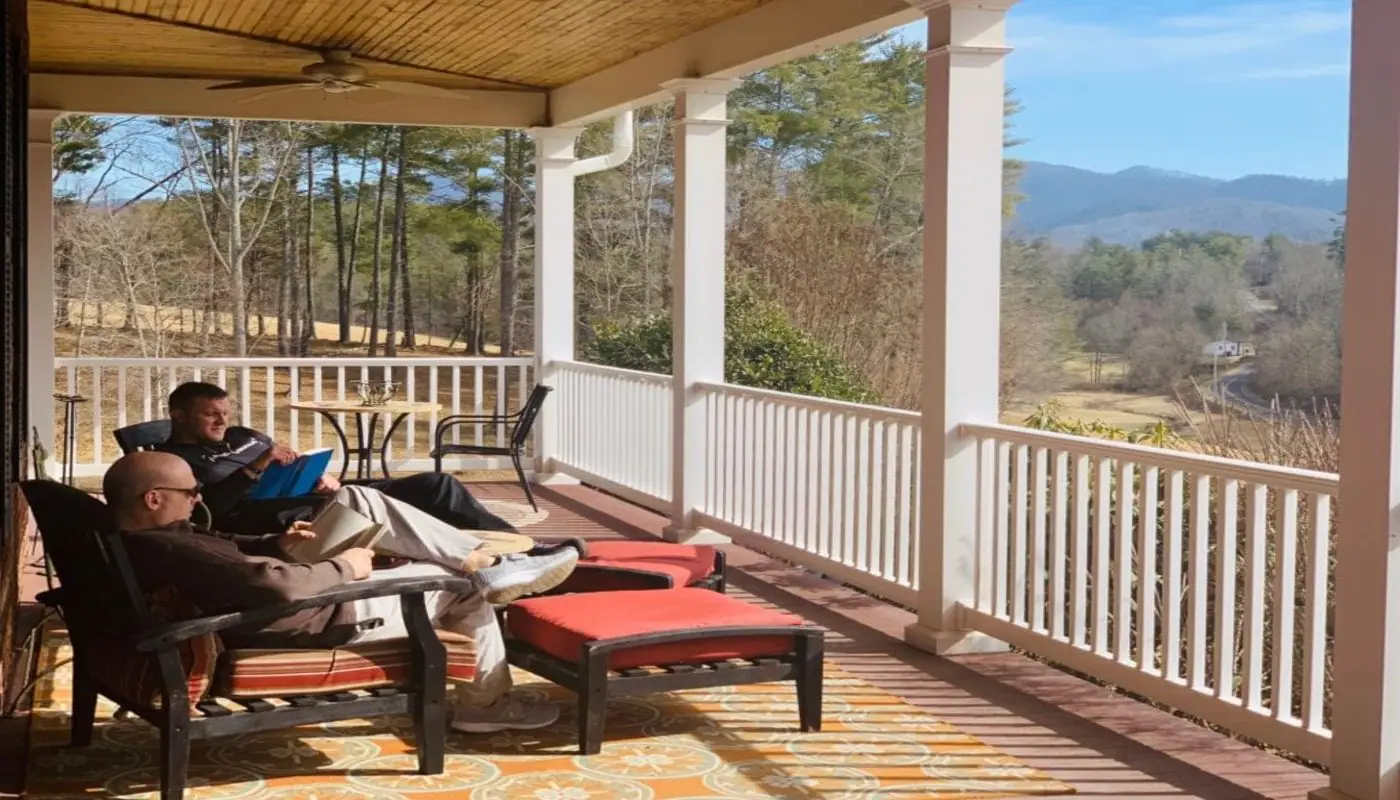
There is also an explicit nod to balance. Yoga, meditation, and time outdoors are treated as part of care rather than extras, and the Blue Ridge setting gives that intention somewhere to happen. The program treats substance use and co-occurring conditions as one picture, not two separate files. Anyone weighing a drug and alcohol treatment program in North Carolina can call the helpline to compare options.
Programs and levels of care in Asheville
Levels of care include outpatient mental health needs and treatment alongside substance use, plus residential elements the center describes. Therapies listed include individual counseling, family therapy, art therapy, dance therapy, EMDR, narrative therapy, motivational interviewing and enhancement therapy, life skills work, and Twelve Step facilitation. If withdrawal management is needed before therapy can begin, a clinician should assess that first. Withdrawal from alcohol and benzodiazepines can become medically dangerous, so a licensed medical professional should oversee it rather than a schedule made at home.
The center says it uses evidence-based, holistic, individual treatment and Twelve Step approaches. Continuing care includes support meetings, which matters to anyone choosing an addiction treatment program with ongoing recovery support in Asheville. When comparing this level of care with a residential rehab program in North Carolina, a person can ask the helpline to explain the difference. Trained advisors answer the helpline and link callers to licensed providers at no cost, without requiring anyone to commit to anything.
- 1-on-1 Counseling
- Twelve Step
- Eye Movement Therapy (EMDR)
- Life Skills
- Narrative Therapy
- Family Therapy
- Evidence-Based
- Twelve Step Facilitation
- Holistic
- Individual Treatment
The people this program takes in
- Adults identifying as men or women seeking outpatient care in Asheville
- People with alcohol use concerns, the center's listed specialization
- Those using benzodiazepines, opioids, heroin, cocaine, methamphetamine, or prescription drugs
- People dealing with a mental health condition such as anxiety, depression, bipolar disorder, or PTSD alongside a substance use disorder
- People dealing with grief and loss, codependency, chronic pain management, ADHD, or personality disorders
- Families who want to be part of sessions rather than watching from outside
Campus, program size and stay length
The center says a typical program lasts 30 days, and capacity is 31 to 50 beds. Rooms have air conditioning, come as private or shared, and bathrooms are shared. Amenities include gardens, walking trails, and access to nature, while scheduled activities include aa and na meetings along with gardening, hiking, and waterfall outings. Services are delivered in English. If a shorter or longer stay is being considered, the helpline can help a caller ask about the outpatient rehab programs available in Asheville, North Carolina and how scheduling actually works.
- Gardens
- Access to Nature
- Walking Trails
Paying for treatment in Asheville
Cash pay rates are listed as one payment option at the center. Insurance details are not provided here, so coverage must be confirmed by phone before anyone relies on it. When cost is the deciding factor, a call to the helpline can narrow which programs fit a budget; advisors connect callers with licensed providers, and the call itself costs nothing. North Carolina's Medicaid program is one route worth asking about, and a drug rehab center accepting Medicaid in North Carolina may exist nearby even when this one does not list it. Nobody can promise admission or coverage ahead of time.
Things to confirm before you enroll
- What level of care does the clinical staff recommend for my situation, and why
- How are insurance or cash pay handled, and what will my out-of-pocket expense be
- Who provides medical oversight during withdrawal, and how soon can an assessment happen
- How do therapy sessions, group work, and Twelve Step meetings usually fill a given week
- How does aftercare and support meeting referral work once the 30-day program ends

More rehabs around Asheville
-
 Joint Commission
Asheville, NC
Carolina Recovery Solutions
- Detox
Carolina Recovery Solutions Asheville is a Joint Commission-accredited center.
- 30+ days program
-
Asheville, NC
Otter House Recovery
5.0/539 Google reviews
- Sober Living
Otter House Recovery Asheville is a men's sober living program on Erwin Hills Road.
- 90+ days program
-
Asheville, NC
The Willows at Red Oak Recovery
3.9/552 Google reviews
- Outpatient
This Asheville center provides outpatient care to women aged 18 and up.
- 90 Days program
- 16-30 beds
-
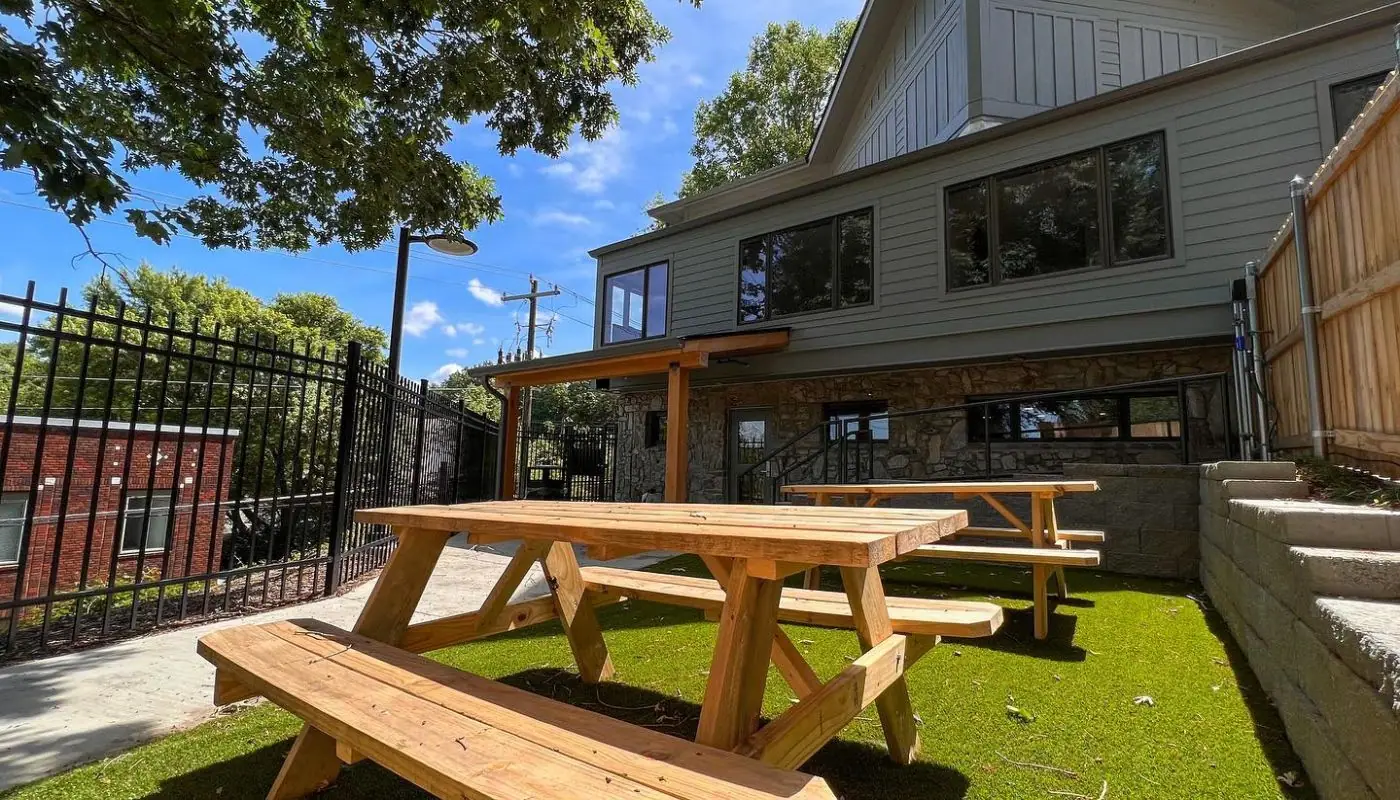
Asheville, NC
Asheville Detox Center
4.9/5289 Google reviews
- Detox
- Co-Occurring Mental Health
Asheville Detox Center offers medical detox to adults in Asheville.
- 10 Days program
- 6-15 beds
-
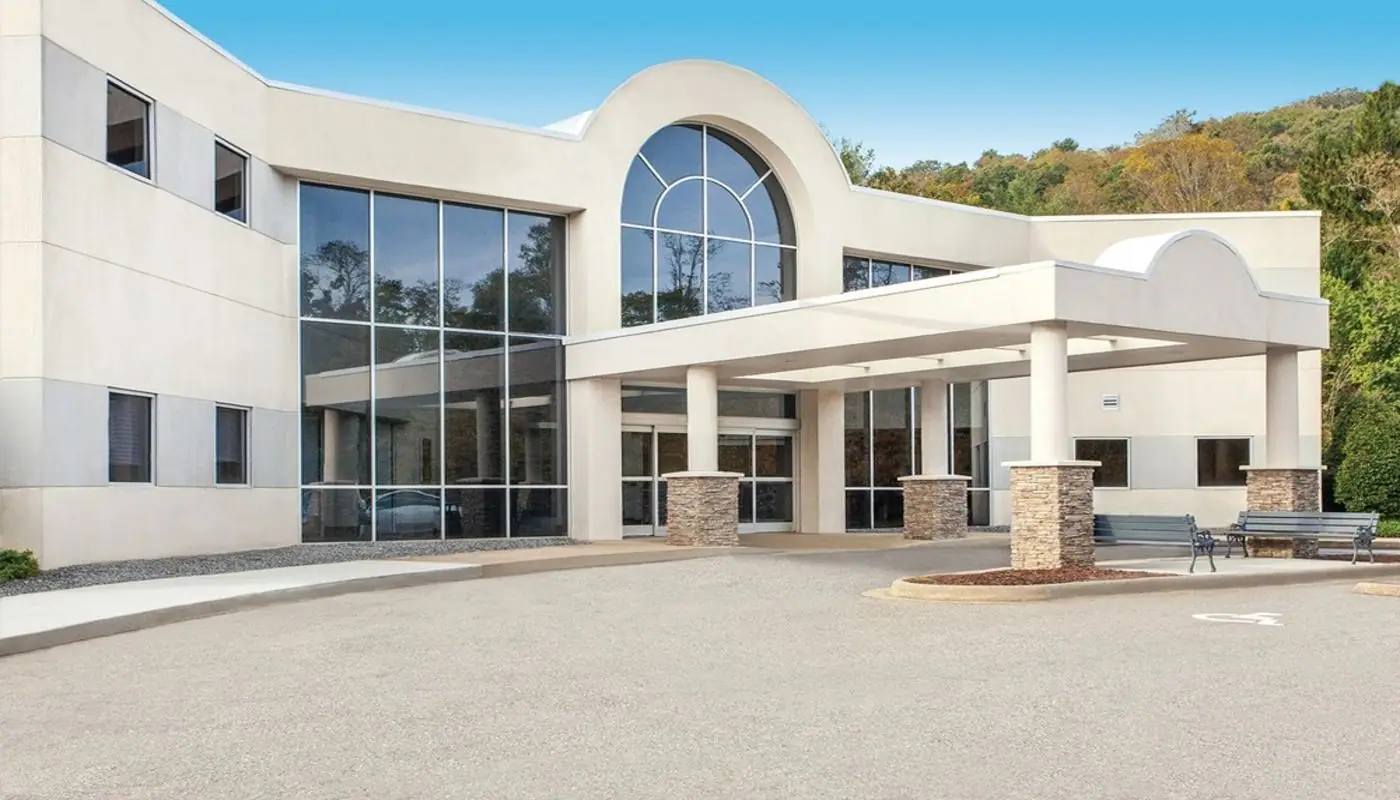
Asheville, NC
Pyramid Asheville
- Co-Occurring Mental Health
- Outpatient
Pyramid Asheville operates as an outpatient program for people with substance use disorders.
- 30+ days program
-
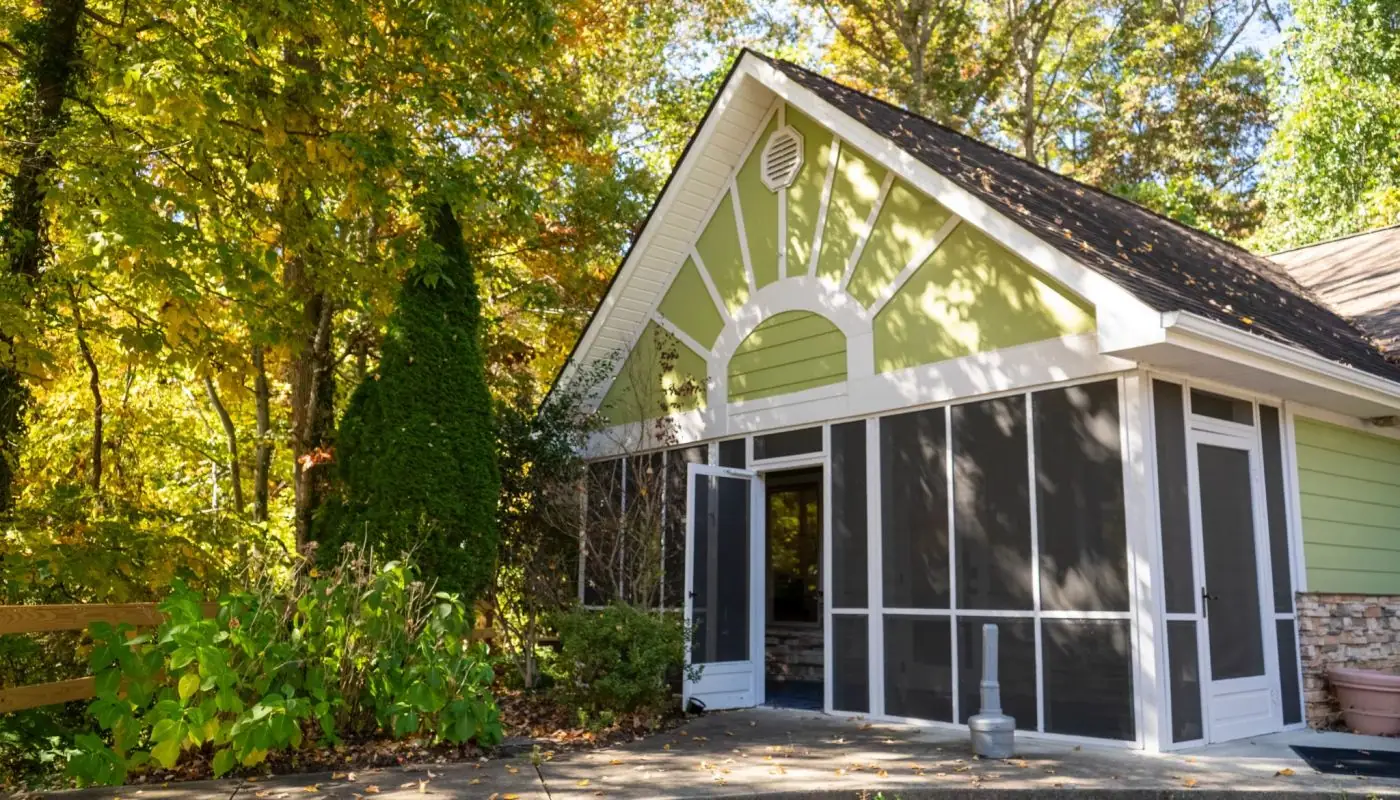 Joint Commission
Asheville, NC
Oasis IOP
4.7/5318 Google reviews
- Co-Occurring Mental Health
- Outpatient
Oasis IOP Asheville is an intensive outpatient program for individuals with substance use disorders and co-occurring mental health issues needs.
- 90 days program

FAQ
Does Asheville Recovery Center offer detox?
The center describes detox as part of its residential program, yet the care levels SAMHSA lists are outpatient and co-occurring mental health. That difference is worth clarifying over the phone. Stopping alcohol or benzodiazepines can be hazardous and calls for a clinician's management, so ask who handles medical oversight, at which location, and what is done when someone turns out to need more than outpatient care.
How long do people stay at this Asheville recovery center?
The stated usual length of stay is 30 days, and the facility holds 31 to 50 beds. Needs differ from person to person, and moving down to outpatient therapy and groups is described as part of the course. When 30 days does not suit someone's circumstances, then ask if a shorter outpatient option or an extended residential stay could work. What the center will actually approve, only the center can say.
Does North Carolina Medicaid pay for inpatient rehab?
What you pay hinges on the plan, the care level, and in-network status, so confirm it instead of presuming it. This center posts cash pay rates and says nothing about insurance arrangements, which is something to raise on a direct call. Callers can use the helpline to weigh SAMHSA-listed programs, among them ones taking Medicaid, and it asks nothing back.
What therapies are available at Asheville Recovery Center?
Among the therapies on the list are individual counseling, family therapy, art and dance therapy, EMDR, narrative therapy, motivational interviewing, life skills, and Twelve Step facilitation, plus yoga, meditation, and outdoor time. The methods are described as evidence-based, holistic, individual, and Twelve Step. Where trauma is involved, it is worth asking specifically about EMDR and trauma-focused work. Before committing, check how often sessions run and how large groups are.
Asheville Recovery Center Asheville
Openings and schedules shift from one week to the next, so a phone call is the practical step. Trained advisors answer the helpline around the clock and connect callers with licensed treatment providers; talks remain private, cost nothing, and place no one under any duty to enter care. Advisors can help you ask this center about the co-occurring mental health treatment on offer in Asheville, North Carolina, check insurance, and set up alternatives from the 430 SAMHSA-listed facilities across the state. Should the fit feel wrong, weighing several programs before you decide is a sensible next move.