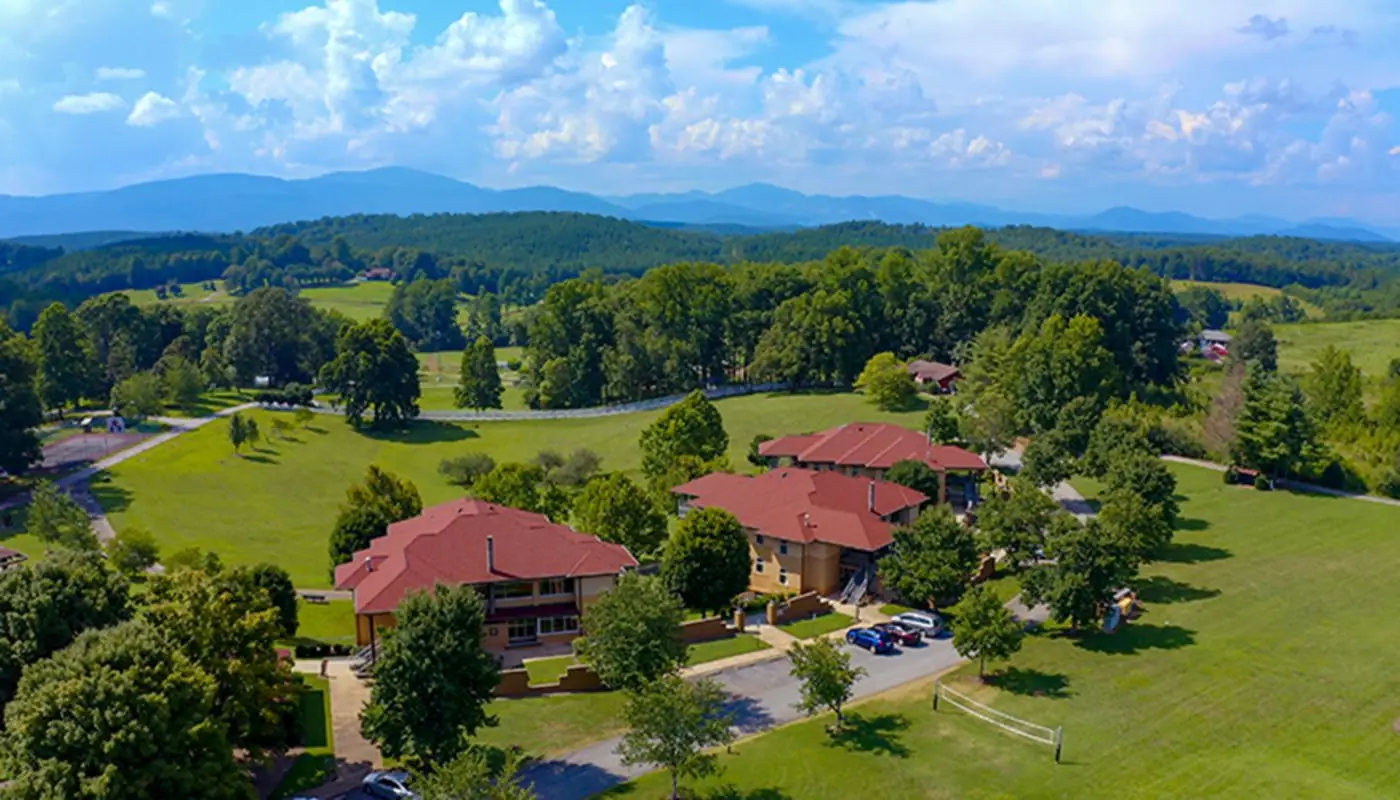
CooperRiis Mill Spring Campus Mill Spring
CooperRiis Mill Spring Campus in Mill Spring is a residential rehab in western North Carolina serving adults with mental health and co-occurring conditions. It counts among 430 SAMHSA-listed facilities in the state for 2026. The program began in 2003 on a working farm.
- Co-Occurring Mental Health
- Residential Rehab
- 30 days
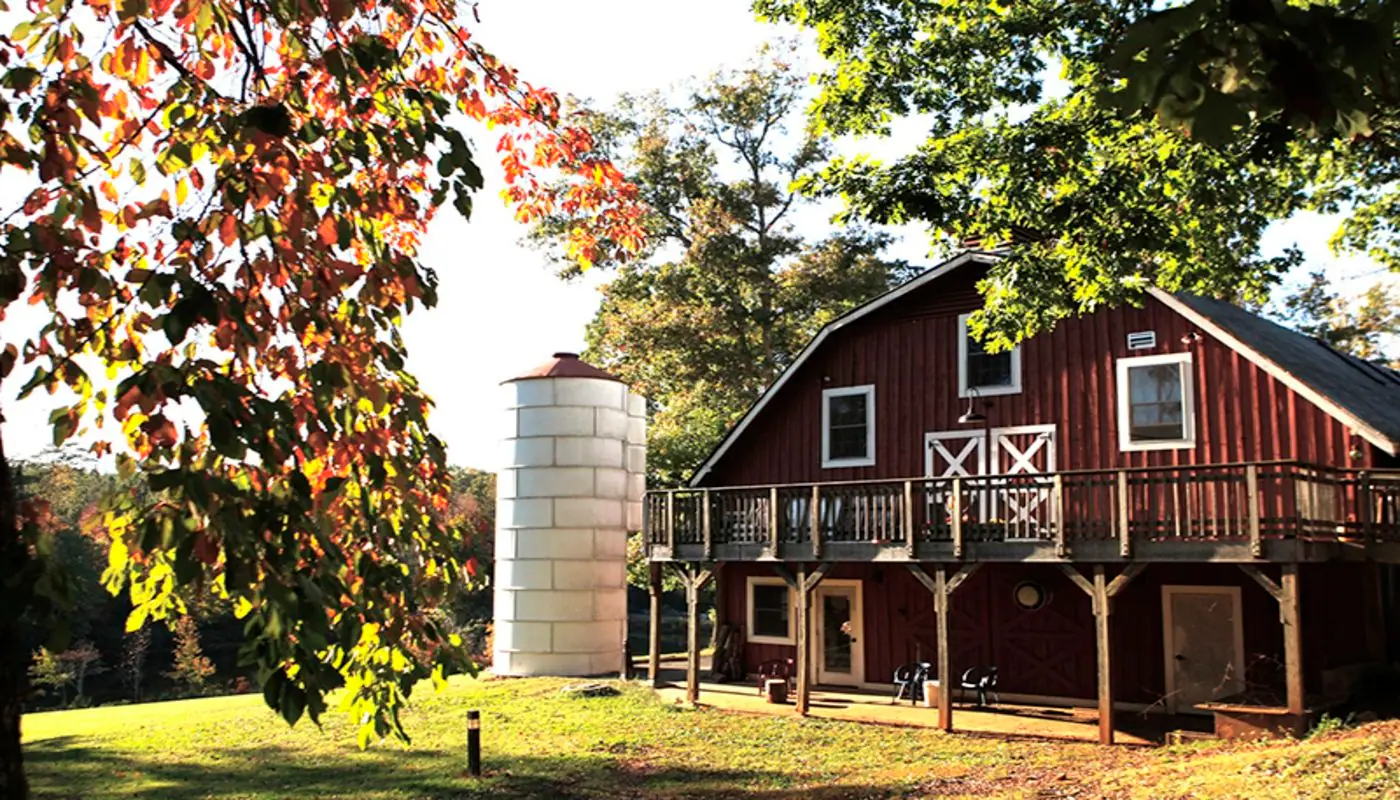
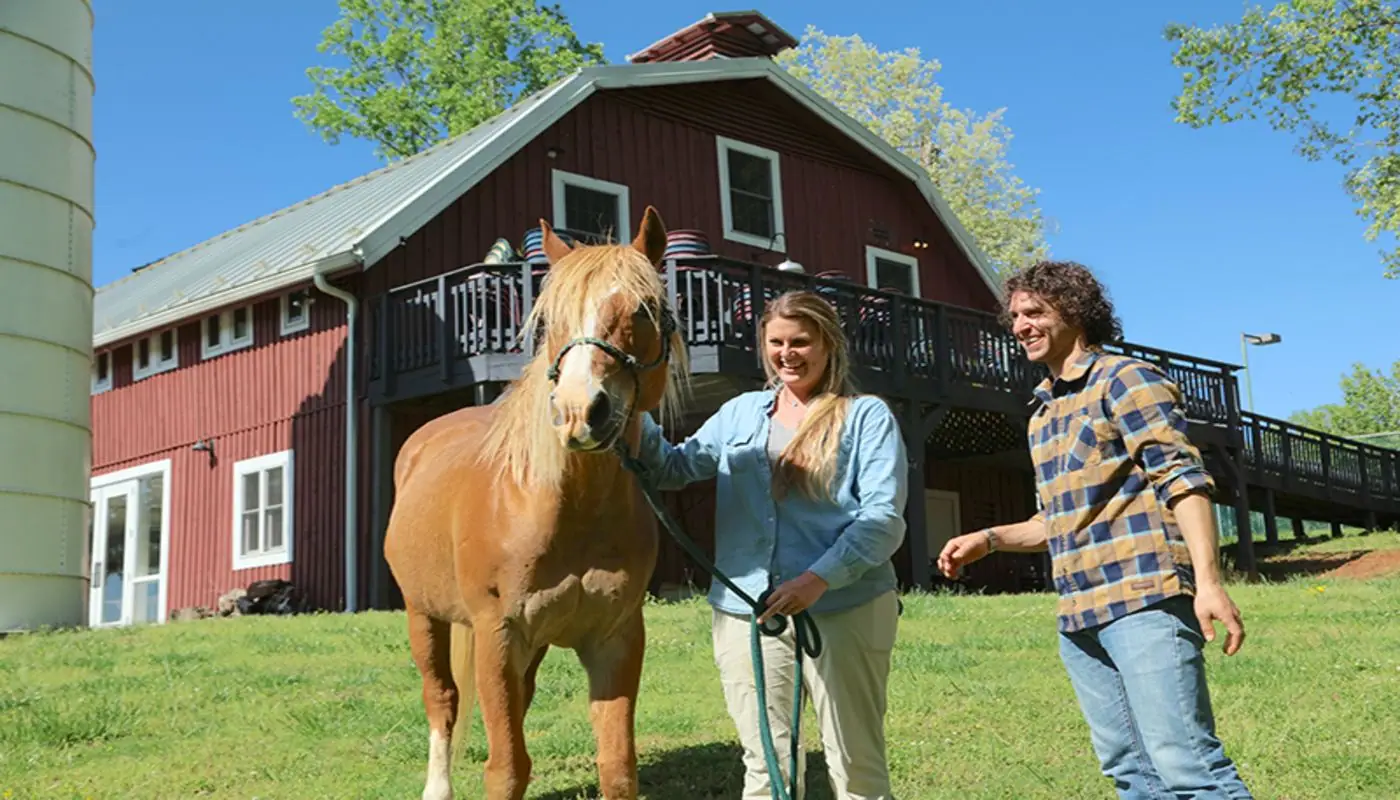
This campus, often called The Farm, sits on 94 acres near Mill Spring and has been in operation since 2003. It serves adults dealing with serious mental health conditions, including bipolar disorder, post-traumatic stress disorder, schizophrenia, and co-occurring substance use. The approach blends evidence-based psychotherapy with medication management and education, all within a therapeutic community. Residents work with a coordinated team and a dedicated recovery coordinator who helps connect the pieces.
The CooperRiis Mill Spring Campus Mill Spring program offers inpatient care in a rural North Carolina setting with a structured daily rhythm. Both individual and group therapies are used in this North Carolina residential center to help residents build practical skills. Family involvement is part of the model, with ongoing meetings to support understanding and communication. The campus is one of several CooperRiis locations, but this page focuses only on what is listed for Mill Spring.
Rehab and co-occurring care
At its core, the center provides live in treatment alongside co-occurring psychiatric care inside a therapeutic community. At this North Carolina rehab, therapy options include cognitive behavioral therapy and EMDR, along with art, animal, horticultural, and experiential therapies. Individual counseling and interpersonal therapy round out the mix. The program is listed as evidence-based and holistic, with an individual treatment focus. A typical stay is listed at 30 days, though length may differ by person and clinical need.
A key feature is the way behavioral health and addiction care are combined. When someone has a mental health diagnosis and a substance use concern at once, the team treats both together rather than in separate tracks. This dual diagnosis approach serves adults in North Carolina who need structure and support in both areas. Aftercare includes outpatient treatment, return visits, and support meetings to ease the return home.
- Individual Treatment
- Evidence-Based
- Holistic
- Experiential Therapy
- Eye Movement Therapy (EMDR)
- 1-on-1 Counseling
- Horticultural Therapy
- Animal Therapy
- Cognitive Behavioral Therapy
- Therapeutic Community
The people this program takes in
- Adults of all genders, from young adulthood through middle age, who have diagnoses like bipolar disorder, depression, anxiety, PTSD, or schizophrenia.
- People facing a substance use disorder and a mental health diagnosis together who need residential treatment addressing both at once.
- Individuals who benefit from a small therapeutic community with a maximum of 36 residents.
- Those who are comfortable with a working farm environment and outdoor-based activities.
- People who want family involvement and a coordinated recovery team.
The Mill Spring campus setting
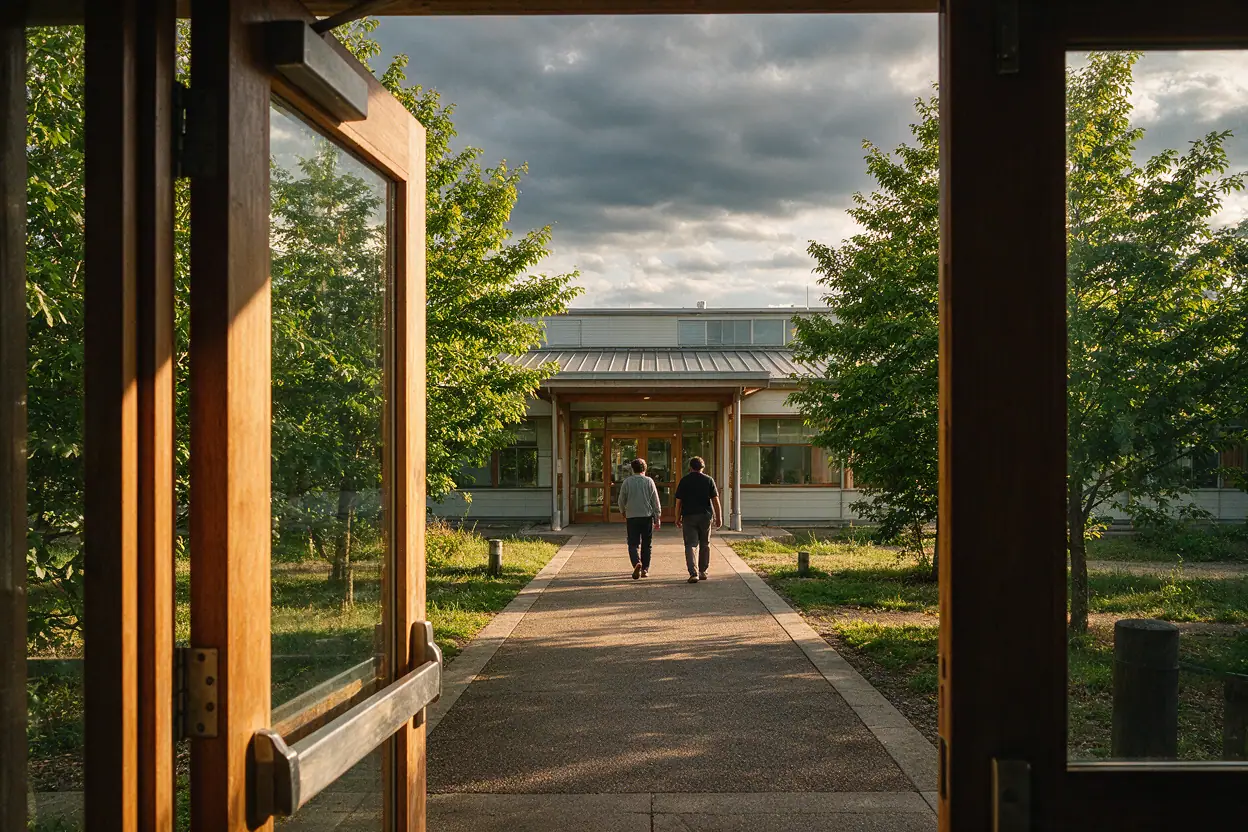
A working farm is part of the 94-acre property, which also holds gardens, an art barn, a lake, and trails for walking. The Mill Spring residential program offers between 16 and 30 beds, which keeps the atmosphere intimate even though the wider community can house 36 people. Throughout their time there, residents stay in private rooms that come with their own bathrooms. The site provides a fitness center, a basketball court, gardens, a library, internet access, and gourmet dining. Hiking, fishing, cooking classes, and yoga are among the available activities. Services are provided in English.
- Access to Nature
- Gardens
- Business Center, Computers
- Beach Access
- Basketball Court
- Fitness Center
- Internet
- Library
Covering costs for this program
This is a private residential program, so payment details are best discussed directly with the center. North Carolina Medicaid might help some families, but coverage depends on the plan and level of care; ask the center whether they accept Medicaid and how they verify it. Insurance acceptance is not guaranteed, so confirm benefits by phone before you decide anything. To learn whether North Carolina Medicaid or private insurance applies to this program, call the helpline at any hour. The helpline is confidential and free and it can connect you with trained advisors who help you check coverage and availability. Calling costs nothing, and no commitment is required.
Things to confirm before you enroll
- Does the center accept my specific insurance or North Carolina Medicaid plan, and how is coverage verified?
- What is the standard length of stay and how is progress reviewed during treatment?
- How are medications managed, and who oversees them?
- By what means does the clinic bring in family and coordinate recovery?
- What aftercare and return visit options are available, and how are they arranged?

Other programs to consider
-
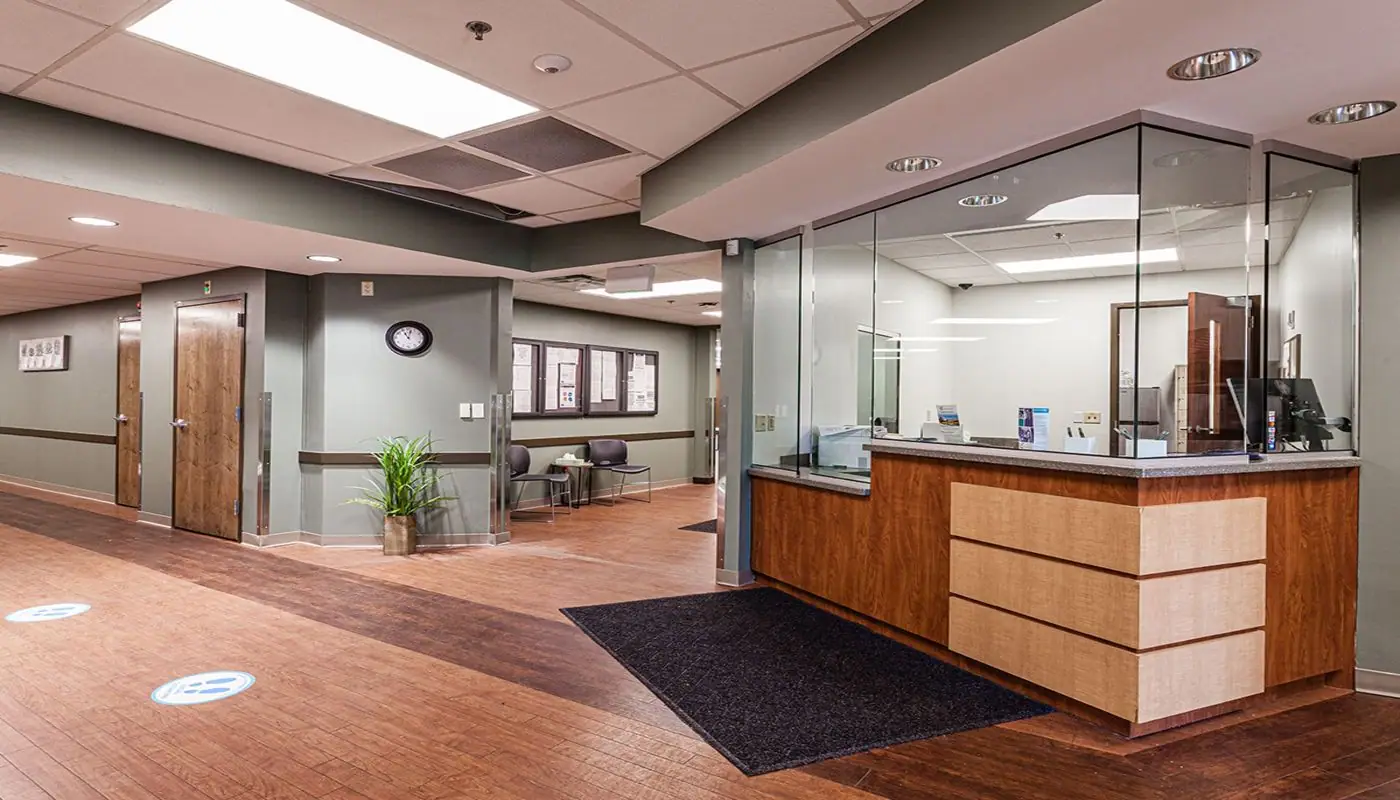
North Wilkesboro, NC
North Wilkesboro Comprehensive
- Outpatient
North Wilkesboro Comprehensive Treatment North Wilkesboro is an outpatient clinic for opioid use disorder.
- 30+ days program
-

Charlotte, NC
High Focus Charlotte
- Outpatient
High Focus Charlotte is an outpatient treatment center on Queens Road in Charlotte.
- 90+ days program
-
 Joint Commission
Charlotte, NC
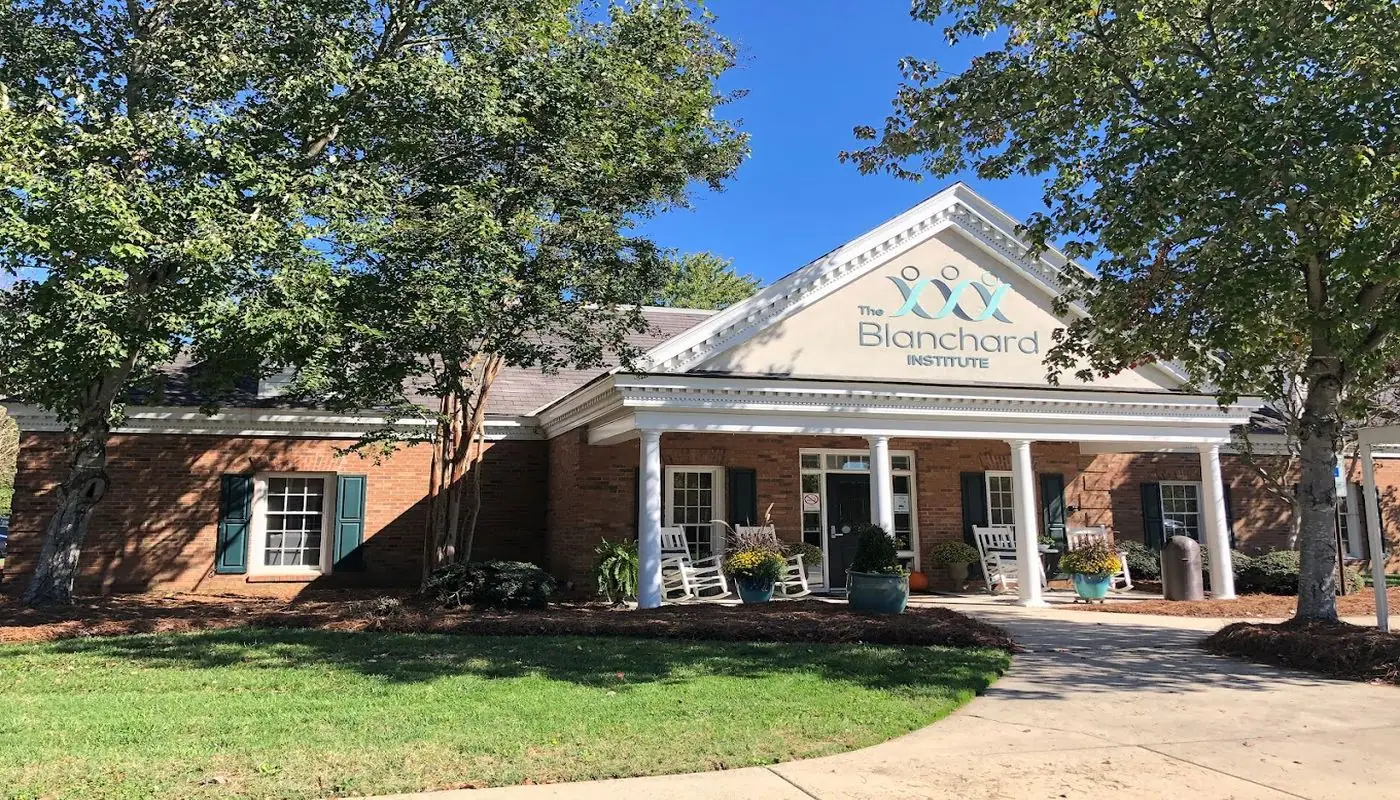
The Blanchard Institute
4.6/5231 Google reviews
- Co-Occurring Mental Health
- Outpatient
The Blanchard Institute Charlotte provides outpatient care for both mental health needs and substance use needs alongside substance misuse.
- 30 days program
-
Charlotte, NC
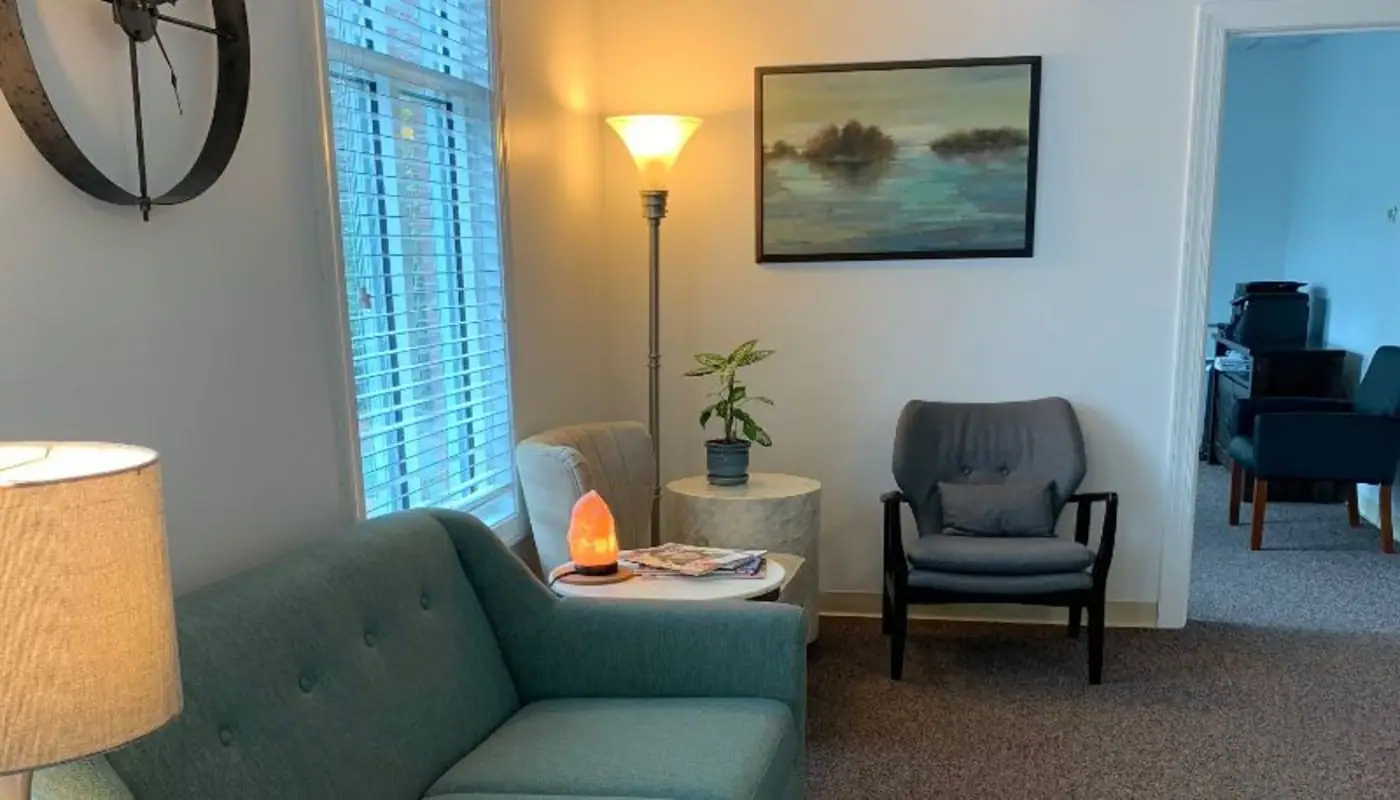
Grace Healing Journey
- Co-Occurring Mental Health
Grace Healing Journey Charlotte is a small Christian counseling practice in south Charlotte.
- 14+ days program
- 2-5 beds
-
Hillsborough, NC
Hillsborough Comprehensive Treatment
- Outpatient
Hillsborough Comprehensive Treatment Hillsborough provides outpatient care for opioid use disorder.
- 30+ days program
-
Brevard, NC
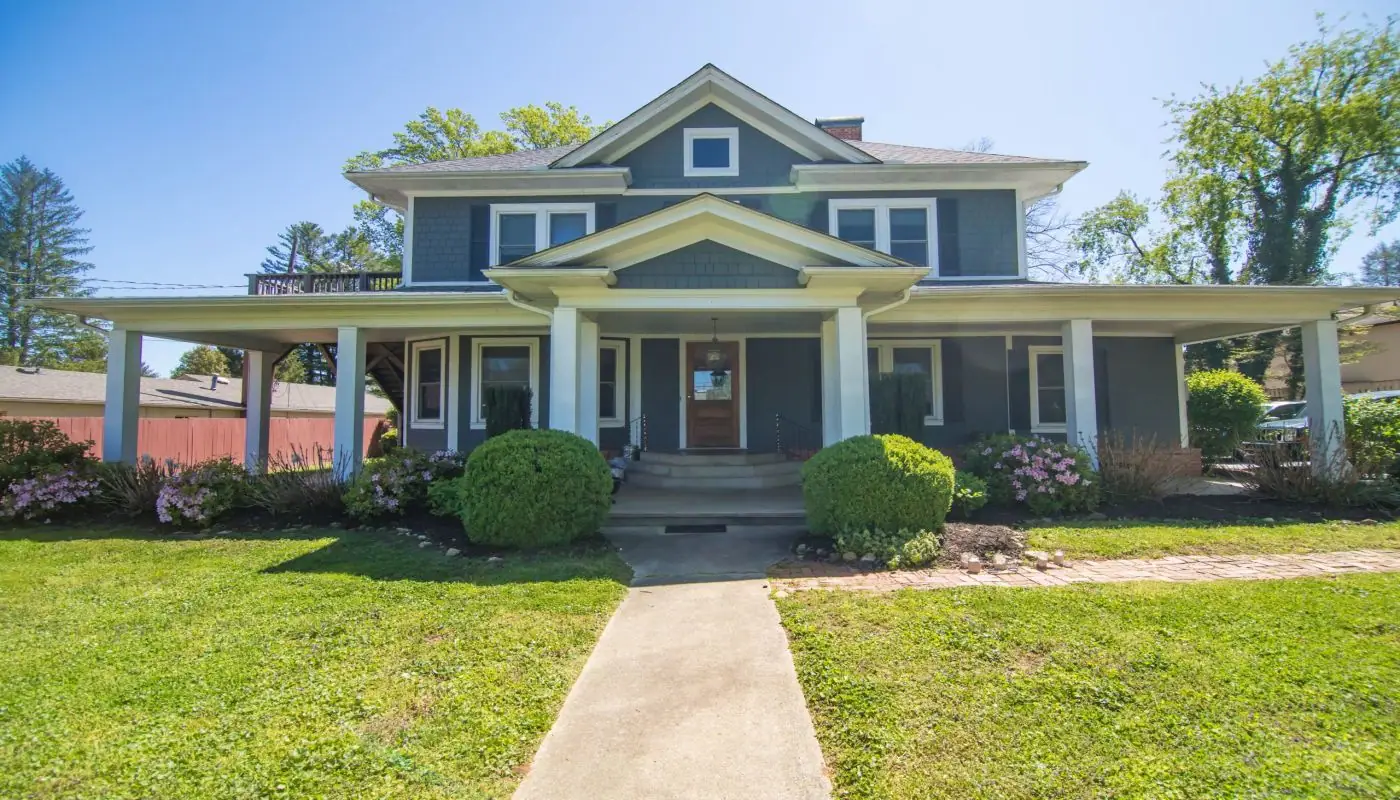
Tapestry Brevard
- Outpatient
Tapestry Brevard is a treatment center for women located in Brevard, North Carolina.
- 30+ days program
- 16-30 beds
FAQ
Does NC Medicaid pay for inpatient rehab at CooperRiis Mill Spring Campus?
It is not possible to confirm coverage from the listing alone, because North Carolina Medicaid plans and levels of care vary. The center should be asked directly about accepted plans and verification steps. The helpline can help you check whether Medicaid or private insurance applies, and it costs nothing to call. Do not assume coverage; confirm before making plans.
How long do people typically stay at CooperRiis Mill Spring Campus Mill Spring?
A typical program length of 30 days is listed by the center, but actual stays may be shorter or longer based on progress and clinical needs. The program serves adults who have mental health and co-occurring conditions in a residential setting. Ask the center how the length of stay is decided and reviewed with the treatment team. Before admission, asking about duration is a good idea.
How many beds does the Mill Spring campus have?
The center lists 16 to 30 beds, within a stated capacity of 36 residents. This small size supports a close-knit therapeutic community. The campus spans 94 acres and includes a working farm, walking trails, gardens, an art barn, and a lake. Residents have private bedrooms with ensuite bathrooms. For current availability, call the center or ask the helpline to help you check.
What therapies are offered at this North Carolina rehab?
The program lists cognitive behavioral therapy, EMDR, art therapy, animal therapy, horticultural therapy, experiential therapy, one-on-one counseling, interpersonal therapy, and meditation and mindfulness. These are delivered within an evidence-based, holistic, and individual treatment approach. If you need a specific therapy, ask how often it is available and who provides it. The helpline can connect you with advisors to discuss whether this program matches your needs.
Does CooperRiis Mill Spring Campus treat dual diagnosis?
Yes, within its residential rehab program, the center lists co-occurring behavioral health and addiction care. It serves adults with conditions such as bipolar disorder, PTSD, schizophrenia, and co-occurring disorders. If you have both a mental health diagnosis and a substance use concern, the team treats them together. Ask the center how dual diagnosis care is organized and who leads it.
What is the admission process like at CooperRiis Mill Spring Campus Mill Spring?
The listing does not describe the admission process, so calling the center directly is the best way to ask about assessment, paperwork, and timelines. The helpline can also help you prepare questions and check availability. If you are considering this program, ask what information the center needs before a decision. Calling the helpline does not commit you to treatment and costs nothing.
Talk it over before you commit
The support line is free of charge private and always available. It connects you with trained counselors who can help you check whether CooperRiis Mill Spring Campus or another North Carolina program fits what you are looking for. Calling does not commit you to treatment, and there is no charge. If you want to know about availability, insurance, or the assessment process, a short call can give you the facts you need before taking any next step.