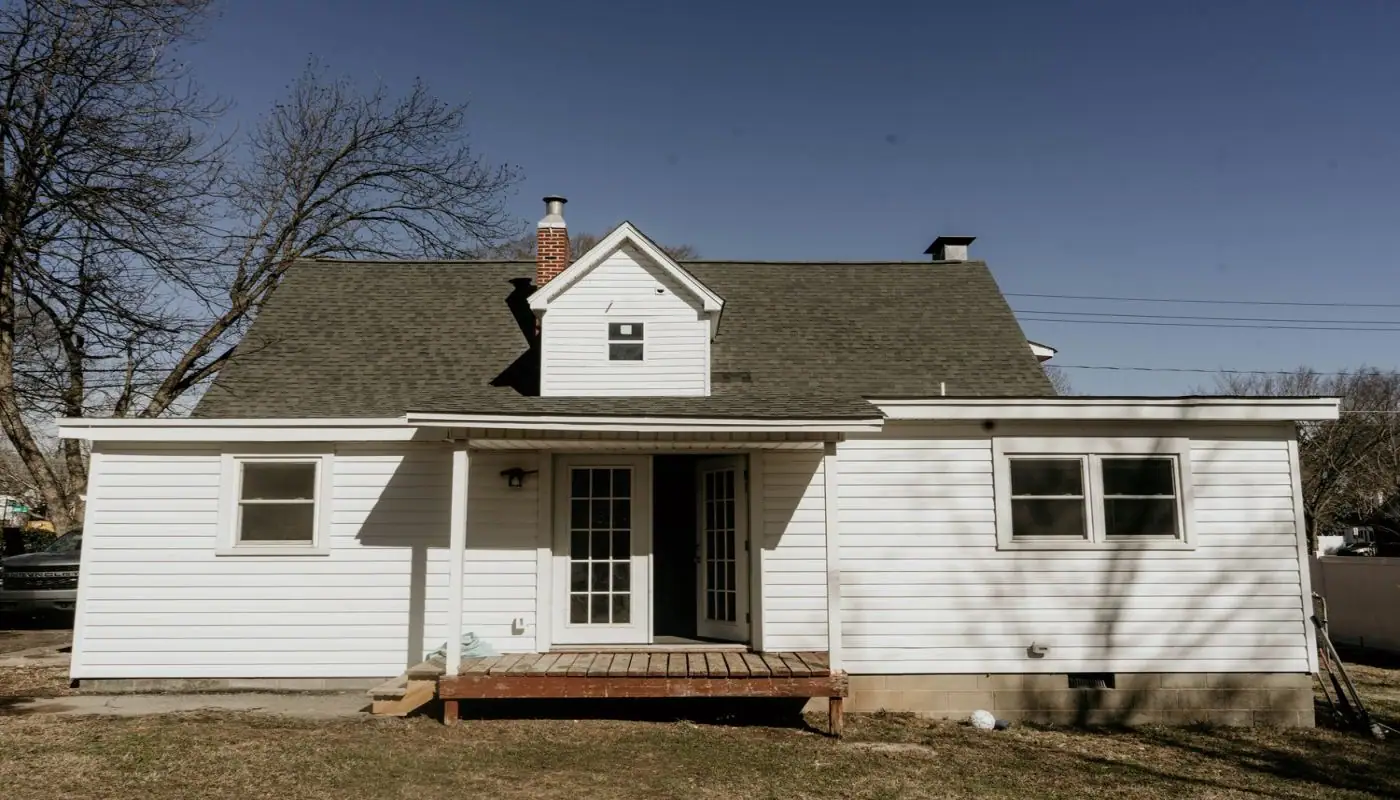
Lotus House Kannapolis
In Kannapolis, Lotus House operates as a sober living residence for women. It appears among the 430 SAMHSA-listed facilities in North Carolina. Below you will find a summary of the people it serves and guidance on inquiring about an available bed.
- Sober Living
- 30 days
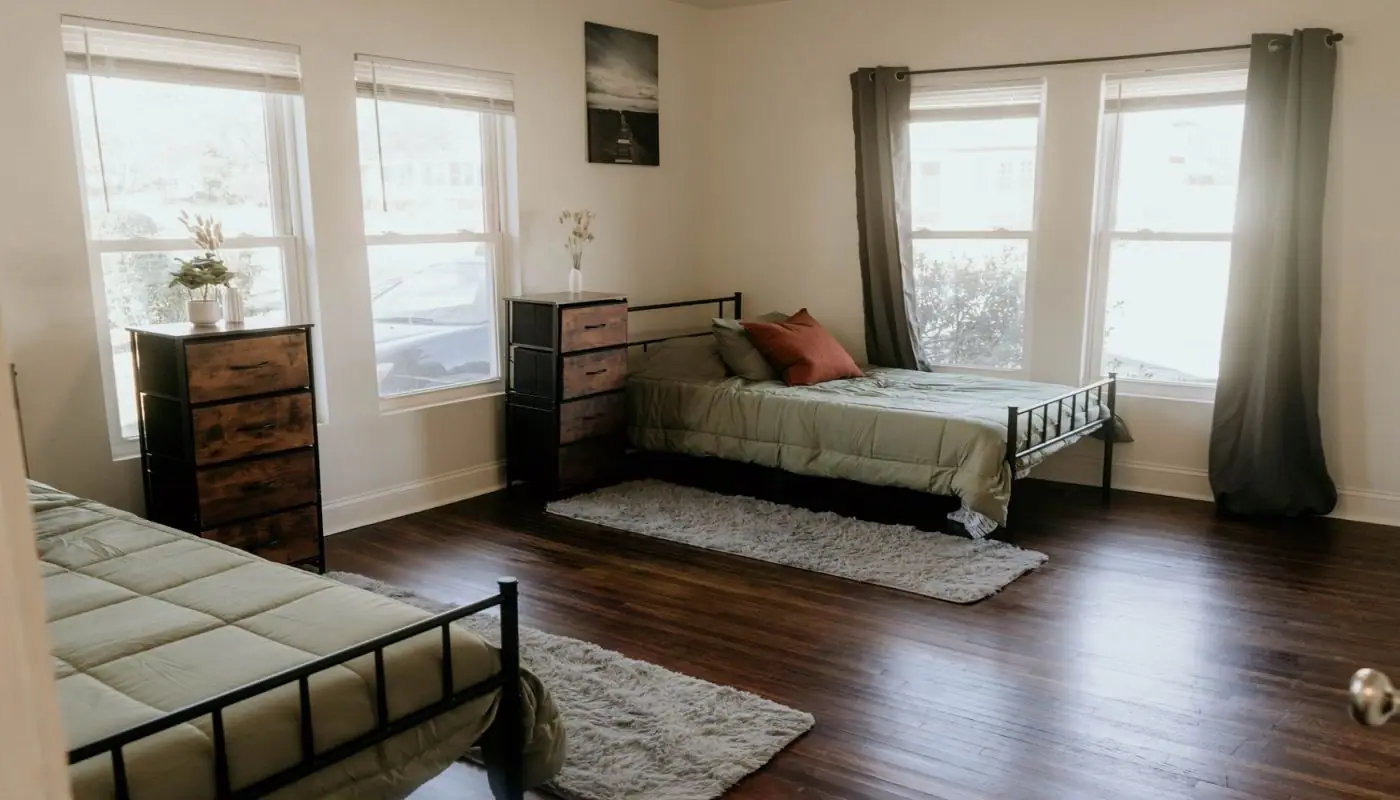
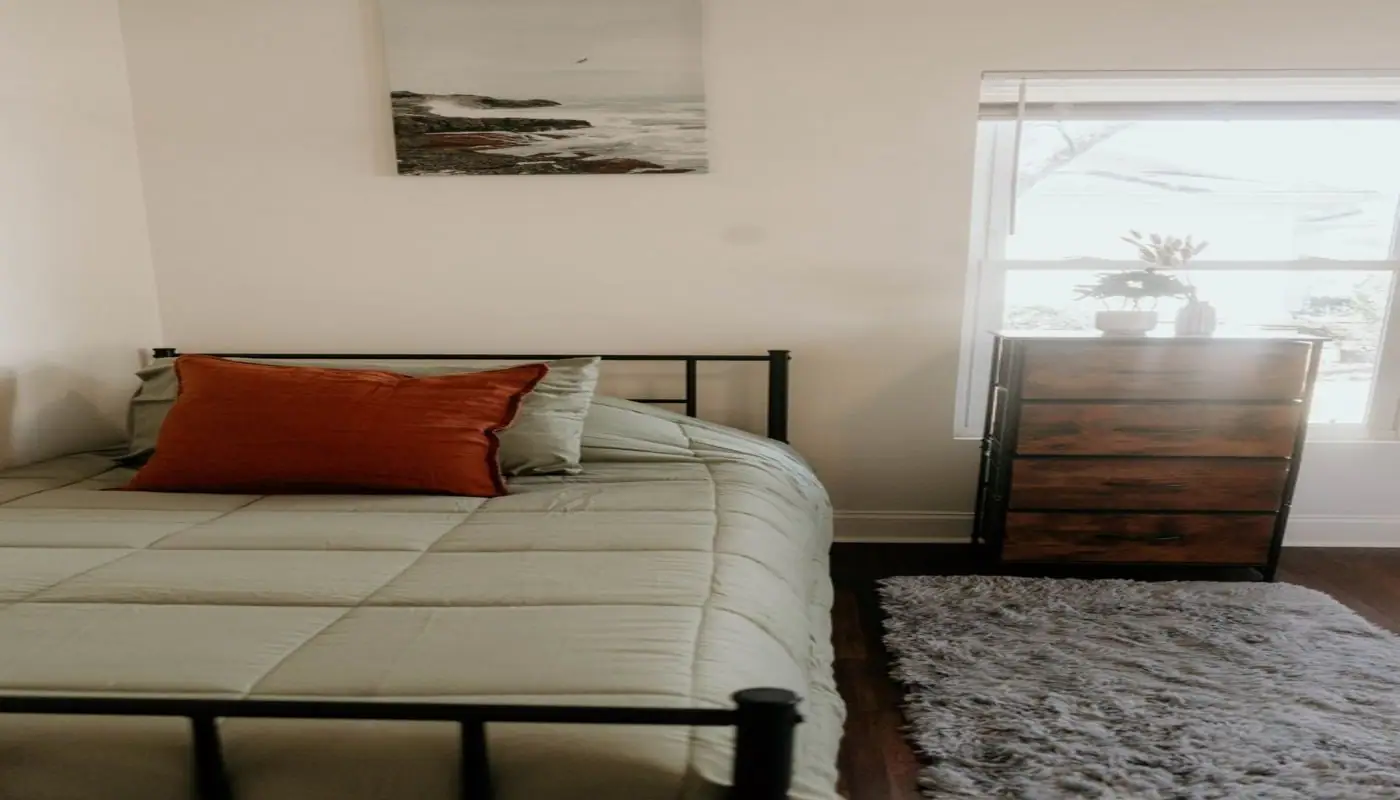
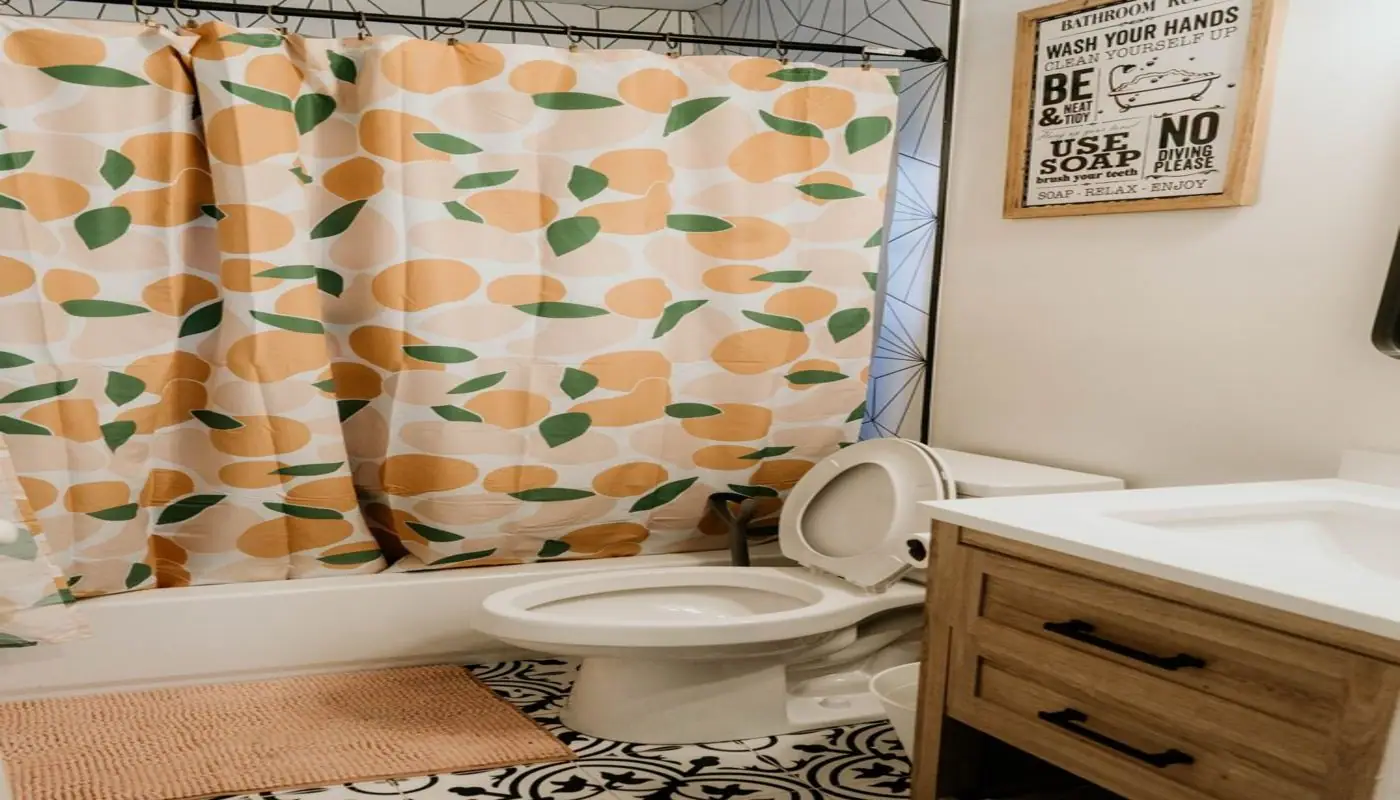
Lotus House operates as a sober living residence rather than a clinical treatment center, and its focus is women who are leaving active substance use and want a stable, drug-free place to live while they rebuild daily routines. The house is small by design. As a sober living home in Kannapolis, it offers a women-only setting with 6-15 beds for about 30 days. Residents share the space, which keeps the atmosphere closer to a household than an institution.
Rather than a schedule of lectures, staff build the day around relationships and emotional growth. Women are encouraged to practice self-compassion, work through the feelings that accompany change, and form connections with people who support their sobriety. Structure comes from house expectations, shared chores, and residents holding each other accountable. When a woman needs medically monitored withdrawal from alcohol or benzodiazepines, clinical supervision should guide it before sober living starts, since those withdrawals can become dangerous.
Lotus House Kannapolis
Sober living is the care option listed for Lotus House, so the daily program centers on a safe residence and accountability among peers rather than clinical staff on site at all hours. For women in North Carolina, the program includes mindfulness therapy, psychoeducation, and relapse prevention counseling. A typical stay is about 30 days, though the right length varies with each woman's situation and should be discussed directly with the house.
Therapeutic offerings include mindfulness therapy, psychoeducation, relapse prevention counseling, relaxation therapy, Seeking Safety, and trauma-specific therapy. The house describes its counseling as focused on nervous system regulation, drawing on mindfulness-based stress reduction and interpersonal neurobiology alongside Seeking Safety. The residential center uses a gender-specific, therapeutic community model with Twelve Step involvement and meditation groups. It also arranges case management for employment, education, or both, and provides gym memberships. If a woman needs withdrawal management, then clinical supervision should guide it before she moves into sober living.
- Trauma-Specific Therapy
- Seeking Safety
- Psychoeducation
- Therapeutic Community
- Relapse Prevention Counseling
- Mindfulness Therapy
- Twelve Step
- Relaxation Therapy
- Gender-Specific
Who Lotus House is built for
- Women only, age and eligibility confirmed by phone
- People with a substance use disorder seeking a sober living setting
- Women working on alcohol use, including heavy drinking
- Women dealing with benzodiazepine, opioid, heroin, cocaine, methamphetamine, ecstasy, or psychedelic use
- Women who want trauma-specific support and a gender-specific environment
- Women seeking case management toward employment, education, or both
The setting and length of stay
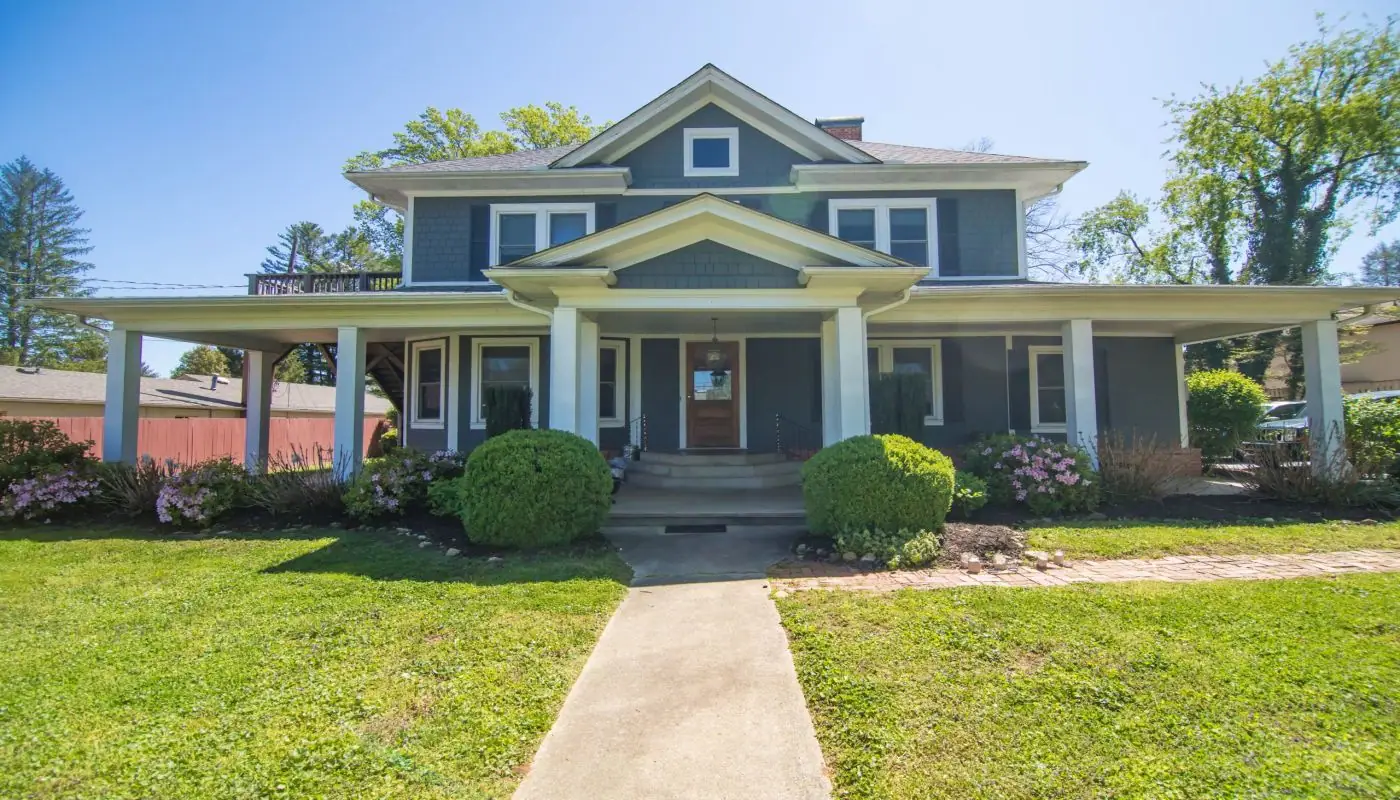
In Kannapolis sits a historic home with six bedrooms; its capacity is listed as 6 to 15 beds, the typical program runs about 30 days, and English is the language spoken. This sober living facility in North Carolina offers shared living rooms, work areas, equipped kitchens, and laundry. Outdoors, an outdoor lounge with a fire pit hosts classes and meetings, and there is room for a planned garden. Four photos appear in the listing.
How to pay for sober living
Lotus House appears as sober living, and houses like this are often paid out of pocket instead of through insurance, so ask the house itself how fees are set and what they cover. If a licensed North Carolina program is on your mind, call the helpline to ask whether a provider takes Medicaid or private insurance before committing. Coverage varies with the plan and the level of care. Verification is done by phone, and an advisor can walk through the questions alongside you.
Things to confirm before you enroll
- What are the weekly or monthly fees, and what do they cover?
- Is there a house agreement, and what happens if a resident relapses?
- Are outside meetings, employment, and schooling permitted alongside the program?
- Who provides the counseling, and how often does it happen?
- What is the process if a resident needs medical or withdrawal care?

Other programs to consider
-
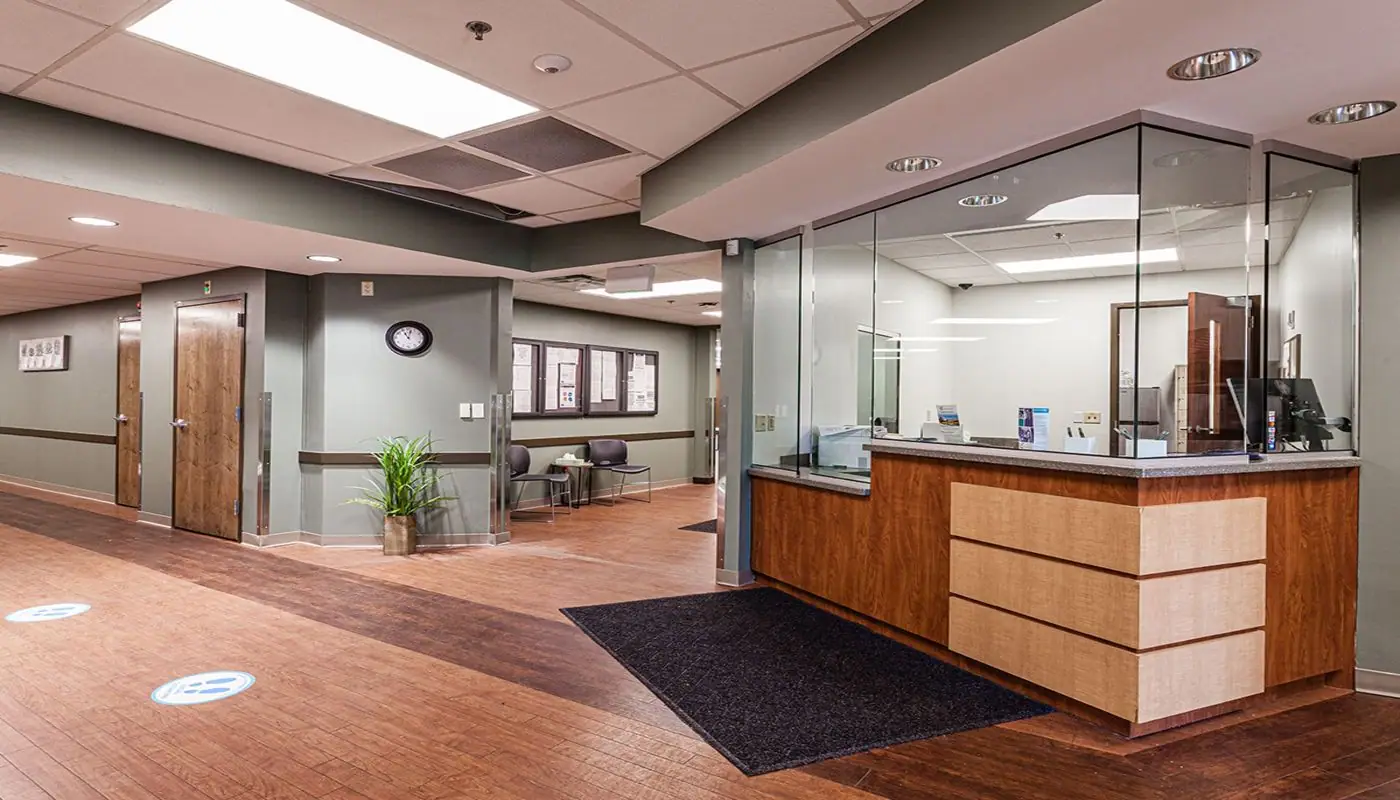
North Wilkesboro, NC
North Wilkesboro Comprehensive
- Outpatient
North Wilkesboro Comprehensive Treatment North Wilkesboro is an outpatient clinic for opioid use disorder.
- 30+ days program
-

Charlotte, NC
High Focus Charlotte
- Outpatient
High Focus Charlotte is an outpatient treatment center on Queens Road in Charlotte.
- 90+ days program
-
 Joint Commission
Charlotte, NC
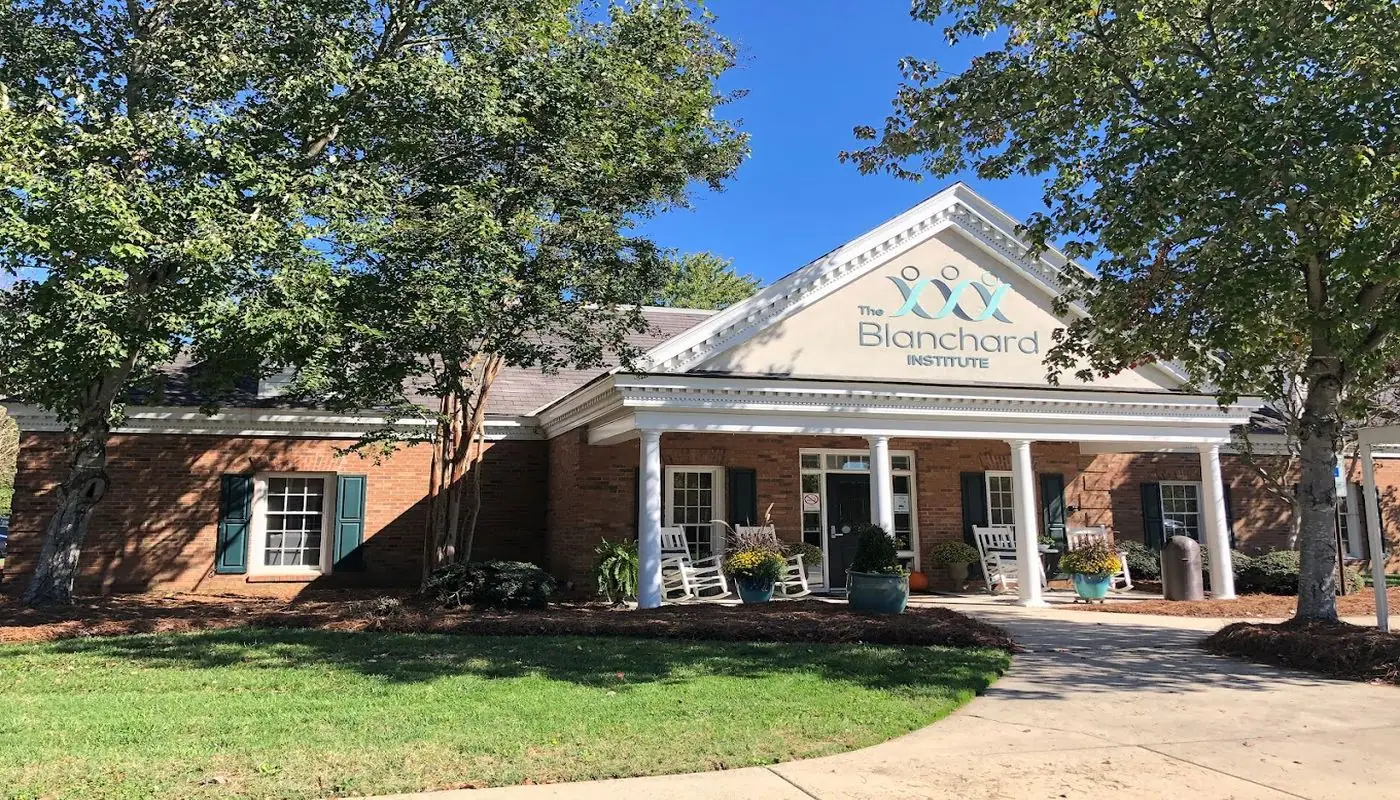
The Blanchard Institute
4.6/5231 Google reviews
- Co-Occurring Mental Health
- Outpatient
The Blanchard Institute Charlotte provides outpatient care for both mental health needs and substance use needs alongside substance misuse.
- 30 days program
-
Charlotte, NC
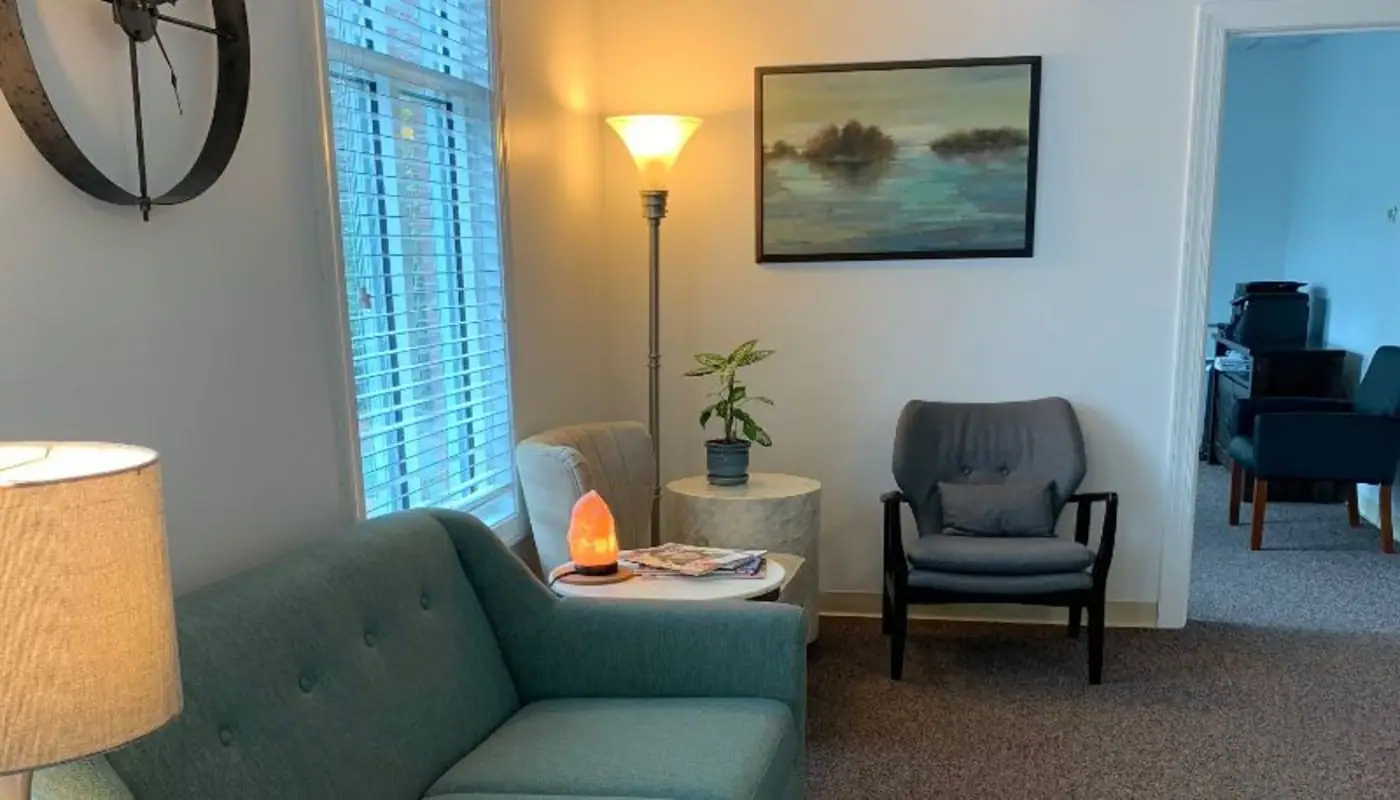
Grace Healing Journey
- Co-Occurring Mental Health
Grace Healing Journey Charlotte is a small Christian counseling practice in south Charlotte.
- 14+ days program
- 2-5 beds
-
Hillsborough, NC
Hillsborough Comprehensive Treatment
- Outpatient
Hillsborough Comprehensive Treatment Hillsborough provides outpatient care for opioid use disorder.
- 30+ days program
-
Brevard, NC
Tapestry Brevard
- Outpatient
Tapestry Brevard is a treatment center for women located in Brevard, North Carolina.
- 30+ days program
- 16-30 beds
FAQ
Does NC Medicaid pay for inpatient rehab near Lotus House Kannapolis?
What is covered varies with the plan and the level of care. North Carolina's Medicaid program pays for some substance use treatment, though sober living is commonly paid privately. If a licensed residential program is on your list, call the helpline to ask whether a provider takes Medicaid—verification is done over the phone before you commit.
How long do people typically stay at Lotus House Kannapolis?
According to the listing, a stay usually runs around 30 days, and the house holds between 6 and 15 beds. Thirty days is a frequent starting point, though how long is right varies with each woman's circumstances. Ask the house how extensions are handled and what is expected when someone moves on.
Who qualifies for a women-only sober living home?
Homes like this are generally for women with a substance use disorder who no longer need acute medical care and want a stable, drug-free residence. Lotus House lists women only as its population and names alcohol, benzodiazepines, opioids, heroin, cocaine, methamphetamine, ecstasy, and psychedelics as substances addressed. Confirm eligibility directly with the house.
What are the major drug problems in North Carolina?
State and national reporting consistently points to opioids, including heroin and illicit fentanyl, as a leading concern, with methamphetamine and cocaine also prominent. Alcohol remains widely involved in treatment admissions. The 430 SAMHSA-listed facilities in North Carolina span withdrawal management, residential care, and outpatient services, so matching the level of care to the substance matters.
Where can I find behavioral health services in North Carolina?
The SAMHSA FindTreatment.gov listings are a sensible starting point, showing 430 facilities across North Carolina, including sober living homes such as Lotus House and licensed treatment centers. If you want a specific match, contact the helpline to ask about availability and coverage; the call is private and places no commitment on you.
Talk it over before you commit
When you are weighing sober living against a licensed treatment program, a single short call can make the difference clear. Trained advisors answer the helpline and link callers with licensed providers. The call costs nothing, stays private, and obligates you to nothing. Call the helpline to compare North Carolina rehab centers and check what each accepts. You can ask about Medicaid, private insurance, waitlists, and whether a program suits your situation. Use the helpline to ask about gender-specific sober living options in North Carolina. No one will push you toward a bed you do not want.