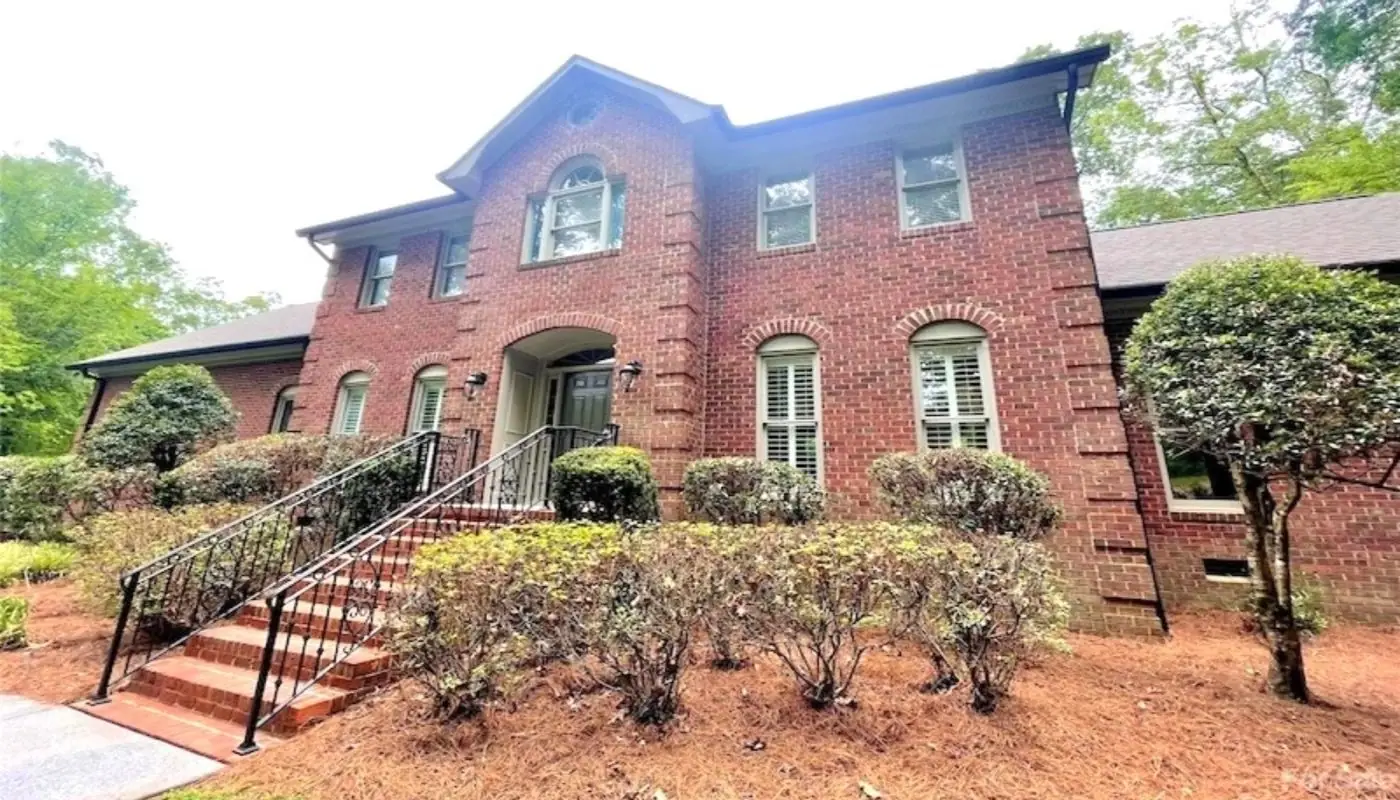
Southeastern Recovery Center Concord
Southeastern Recovery Center Concord is a family-run treatment facility in Concord, North Carolina. It is one of 430 SAMHSA-listed rehab centers in the state as of November 2026. The center offers residential and outpatient care with dual diagnosis support.
- Joint Commission
- Co-Occurring Mental Health
- Residential Rehab
- Outpatient
- 30 days

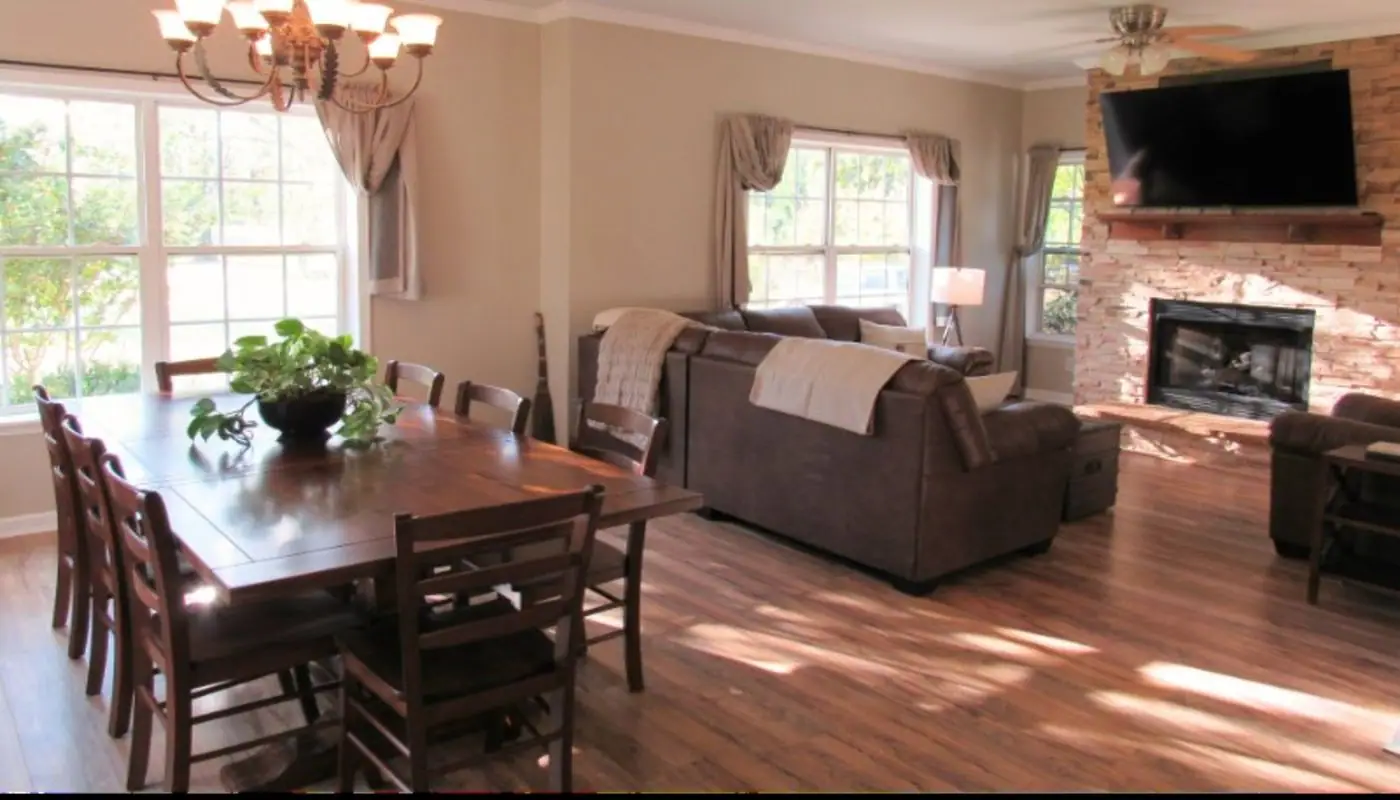
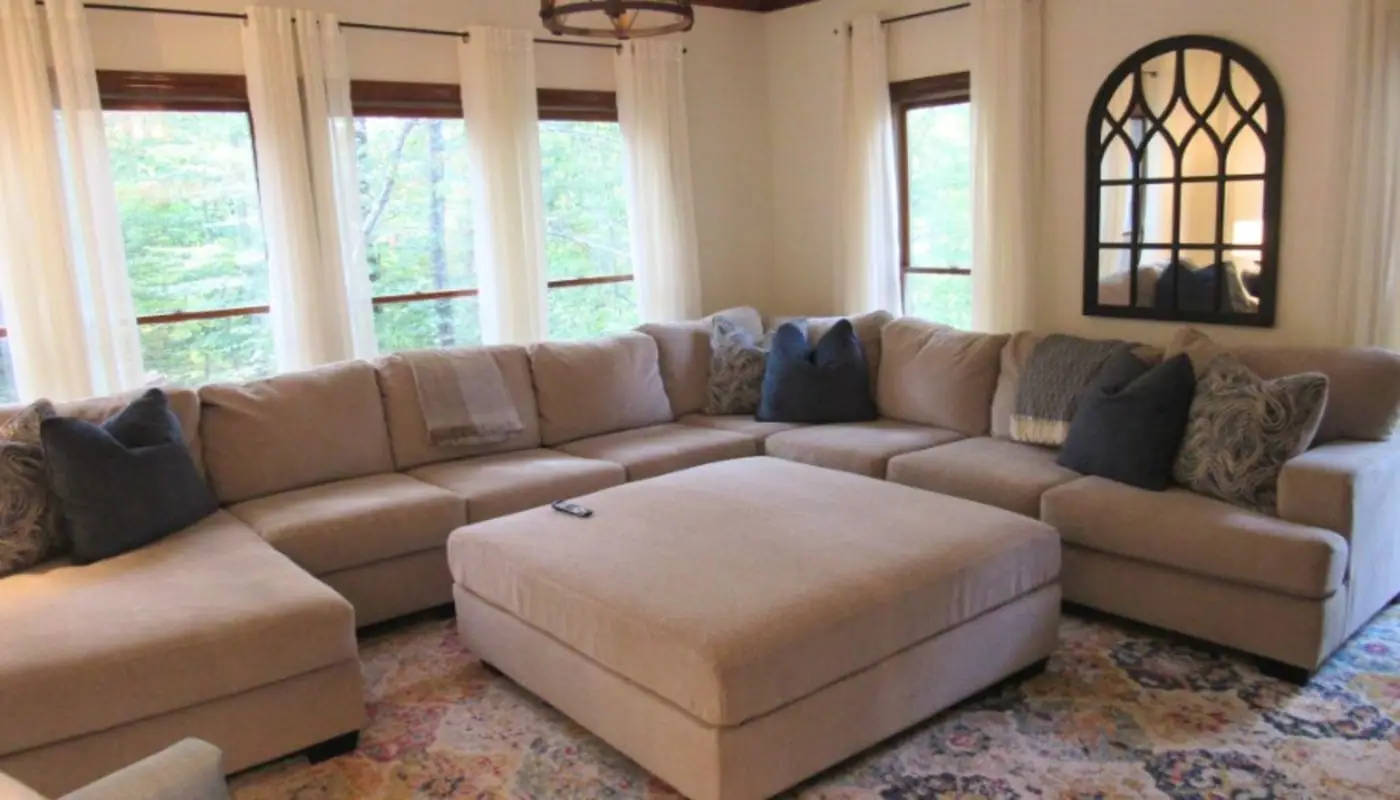
Southeastern Recovery Center runs a small, family-oriented program in Concord, with room for 16 to 30 beds, which keeps the setting personal. It opened in 2023 and is Joint Commission accredited. The focus is on helping people with mental health needs together with substance use and substance use disorders. A smaller North Carolina rehab means more individual attention for each person in residential care, and the team works to make the setting comfortable so clients feel at ease talking about hard issues. Each week brings multiple individual therapy sessions with master's-level therapists, giving people regular one-on-one time to work through what brought them to treatment.
Its approach pairs proven clinical techniques with attention to the whole person. Each care plan accounts for both drug use and any concurrent mental health condition in a single framework rather than splitting them apart. It matters to find a dual diagnosis program in North Carolina where both conditions are addressed at once for progress that holds, and this Concord center organizes its services with that goal in view. Medical staff, primary therapists, and counselors on the team work together at every level of care, giving clients a steady and coordinated experience from the day they arrive until they leave.
Loved ones have a place in the program too. Recovery, in the center's view, takes shape with family nearby rather than alone, and relatives are invited to take part through ongoing communication, counseling sessions, and chances to learn. For anyone weighing treatment near Concord, this North Carolina drug rehab center offers a structured yet personal setting in which to start recovery. An alumni network with monthly gatherings and events also keeps former clients tied to a supportive community once they have left.
Programs in Concord
Southeastern Recovery Center provides residential rehab, mental health needs alongside substance use and outpatient services. The residential program offers 24/7 support in a setting of 16 to 30 beds, while outpatient options include partial hospitalization and intensive outpatient programs that can be scheduled during the day or evening. These North Carolina rehab programs allow people to step down gradually as their needs change. Therapies include cognitive behavioral therapy, trauma-specific therapy, art therapy, adventure therapy, acupuncture, meditation and mindfulness, and counseling individually with a clinical psychologist. The center also uses evidence-based and holistic approaches and incorporates Twelve Step principles. For people who need detox, the center lists detox as a specialization and can help connect them with appropriate medical support.
The program includes group sessions and family therapy, and the partial hospitalization program usually lasts roughly 30 days. Counselors draw on motivational interviewing and CBT to work with dual diagnoses, and each treatment plan is built around the individual so that a person's particular substance use and mental health concerns are handled together. For North Carolinians who need addiction and mental health care at once, integrated treatment like this may work better than addressing one condition at a time. The center also provides follow-up sessions both in person and online, relapse prevention planning, and on-site support meetings, which help people hold onto progress once the first phase of treatment ends.
- Cognitive Behavioral Therapy
- Mindfulness Therapy
- Adventure Therapy
- Holistic
- Acupuncture
- Trauma-Specific Therapy
- 1-on-1 Counseling
- Twelve Step
- Evidence-Based
- Meditation & Mindfulness
Who this Concord center is designed for
- Adults of any gender, women and men both, living with a substance use disorder that involves alcohol, benzodiazepines, cocaine, heroin, opioids, prescription drugs, ecstasy, or psychedelics.
- People who at the same time have mental health conditions such as anxiety, depression, PTSD, OCD, grief and loss, burnout, anger, or codependency.
- Young adults, midlife adults, and older adults who need structure and support in early recovery.
- Executives and professionals seeking a private setting with amenities that allow them to focus on treatment.
- LGBTQ+ individuals looking for an affirming treatment environment.
- Pregnant women who need substance use treatment and coordinated care.
Setting and length of stay in Concord
Most people stay about 30 days, and with 16 to 30 beds the facility stays manageable and personal. The center sits at 1018 Lee-Ann Dr NE in Concord, NC 28025. Amenities include access to nature, outdoor space, walking trails, a fitness center, a recreation room, and gourmet dining. Clients have internet access, air-conditioned rooms, and a choice of private or shared rooms. Cell phones are permitted, and personal amenities include a coffee maker, desk, and adjustable thermostat. Activities range from physical fitness and games to reading and alternative meetings. The center serves English-speaking clients and offers excursions. This small North Carolina residential rehab setting may suit people who prefer a quieter environment than a large hospital-style facility.
- Access to Nature
- Recreation Room
- Outdoor Space
- Air-Conditioned Rooms
- Walking Trails
- Gourmet Dining
- Fitness Center
- Excursions
Paying for treatment in Concord
One of the payment options is cash pay rates Southeastern Recovery Center lists. Exact prices are not made public, and what insurance pays differs between plans and depends on which type of care is requested. If you plan to use health insurance for rehab in North Carolina, then verify benefits directly with the center before making any decisions. The helpline can help you find out what your plan might cover and what openings exist at this facility. Some treatment services may be covered by North Carolina Medicaid, but the rules hinge on the particular program and on eligibility. Through the helpline you can reach trained advisors who help you sort out your choices at no cost and with nothing expected in return.
Things to confirm before you enroll
- Does my health insurance plan cover outpatient or residential care at this center, and what out-of-pocket amount would I pay?
- How many one-on-one therapy sessions can I expect each week, and who leads them?
- How does the center manage withdrawal from alcohol or benzodiazepines, and is medical oversight available on site?
- What does a usual day in the residential program involve, and how long a stay should I expect for my situation?
- What aftercare and alumni support is available when I finish the program?

Other programs to consider
-
North Wilkesboro, NC
North Wilkesboro Comprehensive
- Outpatient
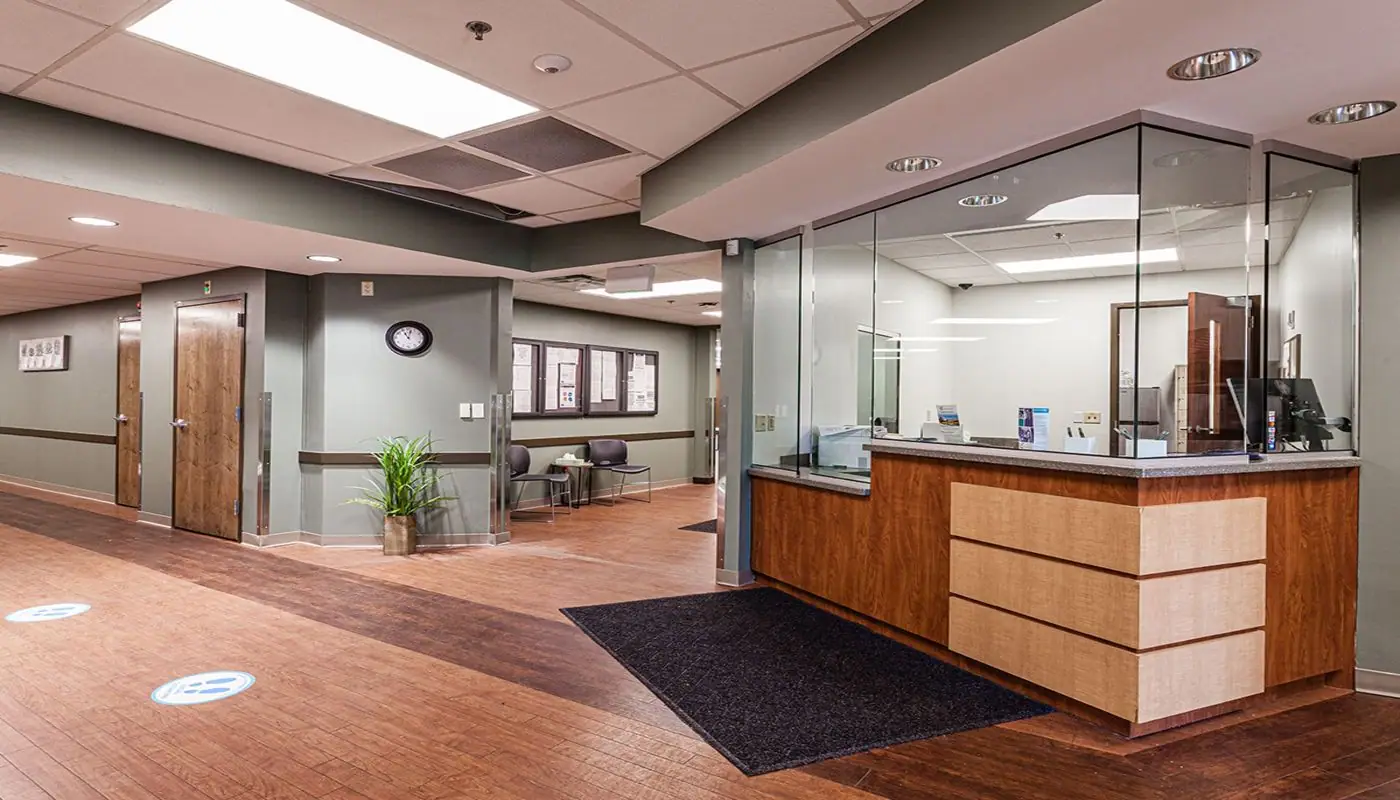
North Wilkesboro Comprehensive Treatment North Wilkesboro is an outpatient clinic for opioid use disorder.
- 30+ days program
-

Charlotte, NC
High Focus Charlotte
- Outpatient
High Focus Charlotte is an outpatient treatment center on Queens Road in Charlotte.
- 90+ days program
-
 Joint Commission
Charlotte, NC
The Blanchard Institute
4.6/5231 Google reviews
- Co-Occurring Mental Health
- Outpatient
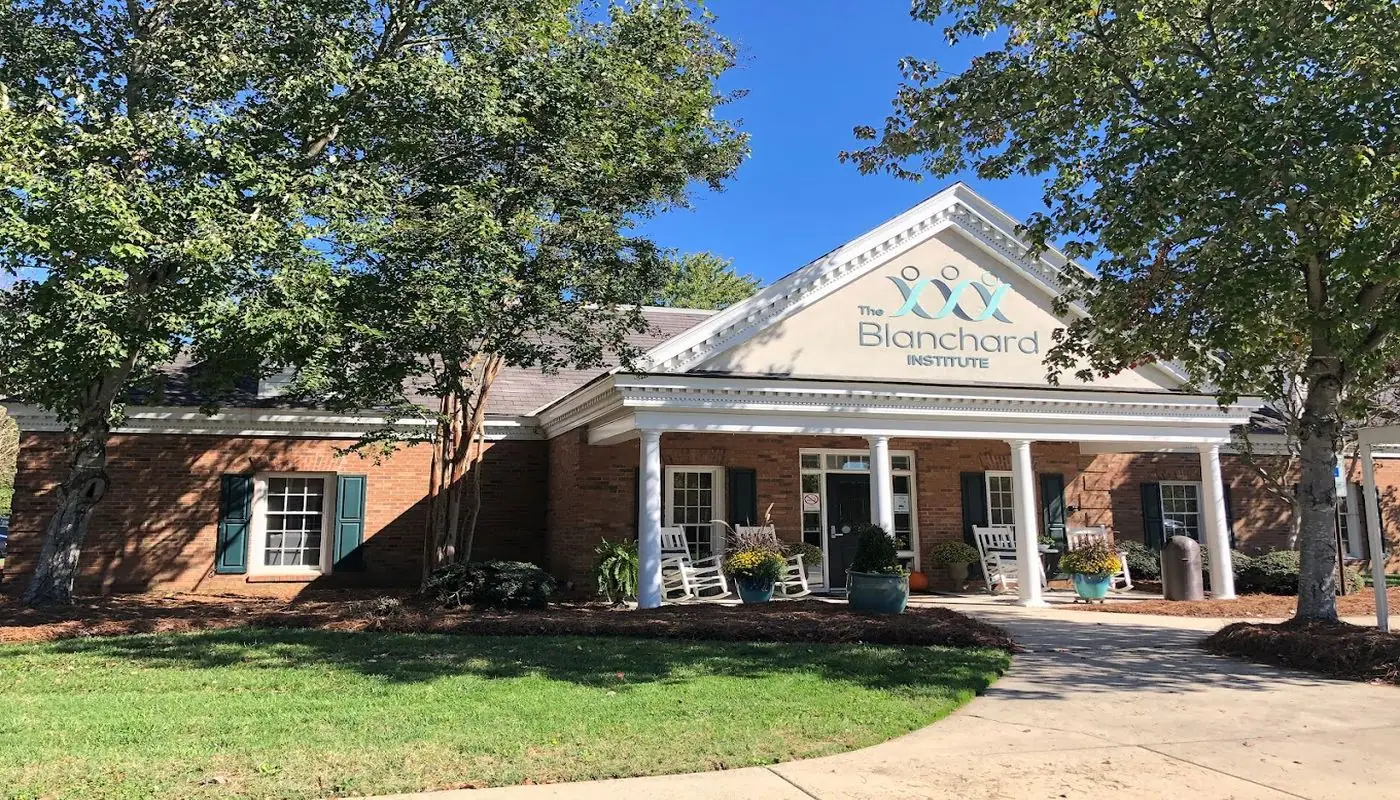
The Blanchard Institute Charlotte provides outpatient care for both mental health needs and substance use needs alongside substance misuse.
- 30 days program
-
Charlotte, NC
Grace Healing Journey
- Co-Occurring Mental Health
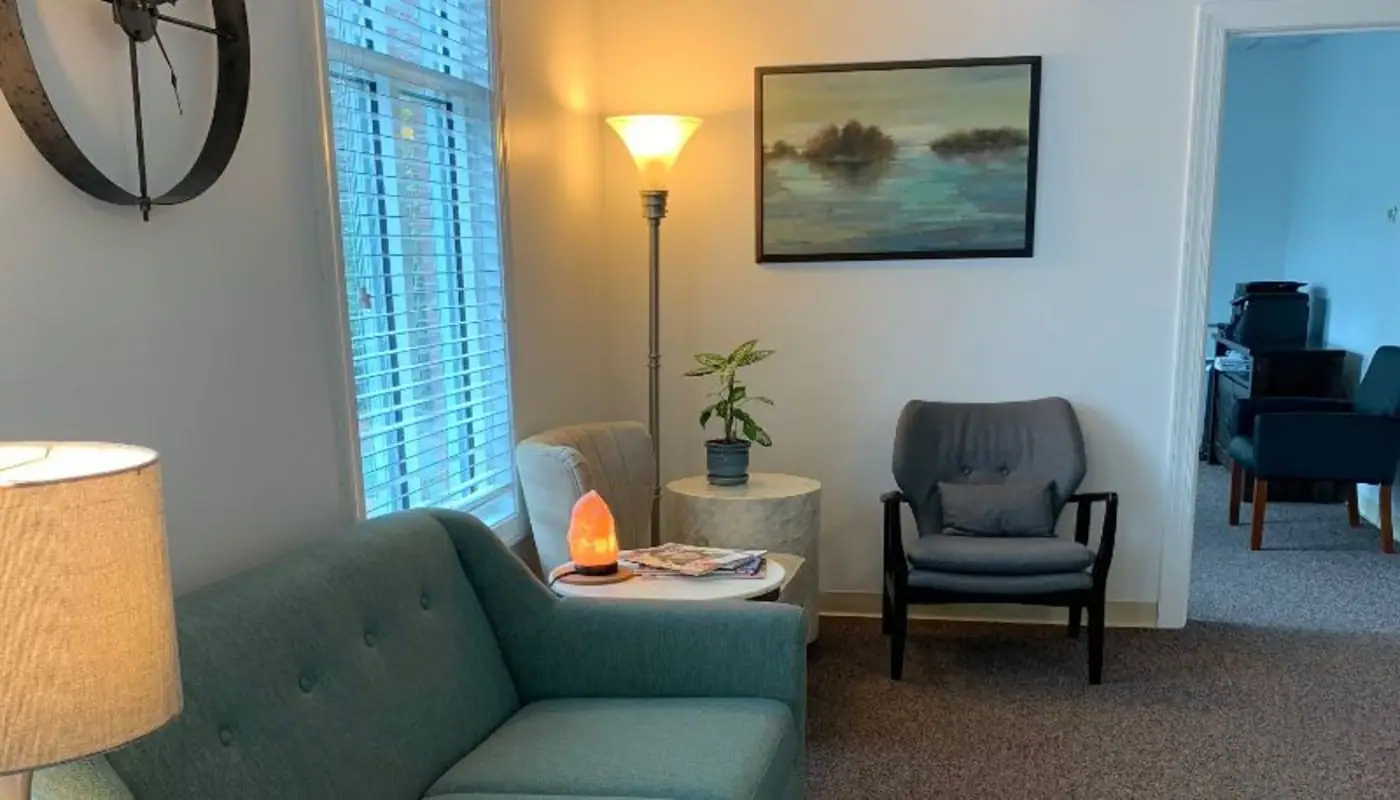
Grace Healing Journey Charlotte is a small Christian counseling practice in south Charlotte.
- 14+ days program
- 2-5 beds
-
Hillsborough, NC
Hillsborough Comprehensive Treatment
- Outpatient
Hillsborough Comprehensive Treatment Hillsborough provides outpatient care for opioid use disorder.
- 30+ days program
-
Brevard, NC
Tapestry Brevard
- Outpatient
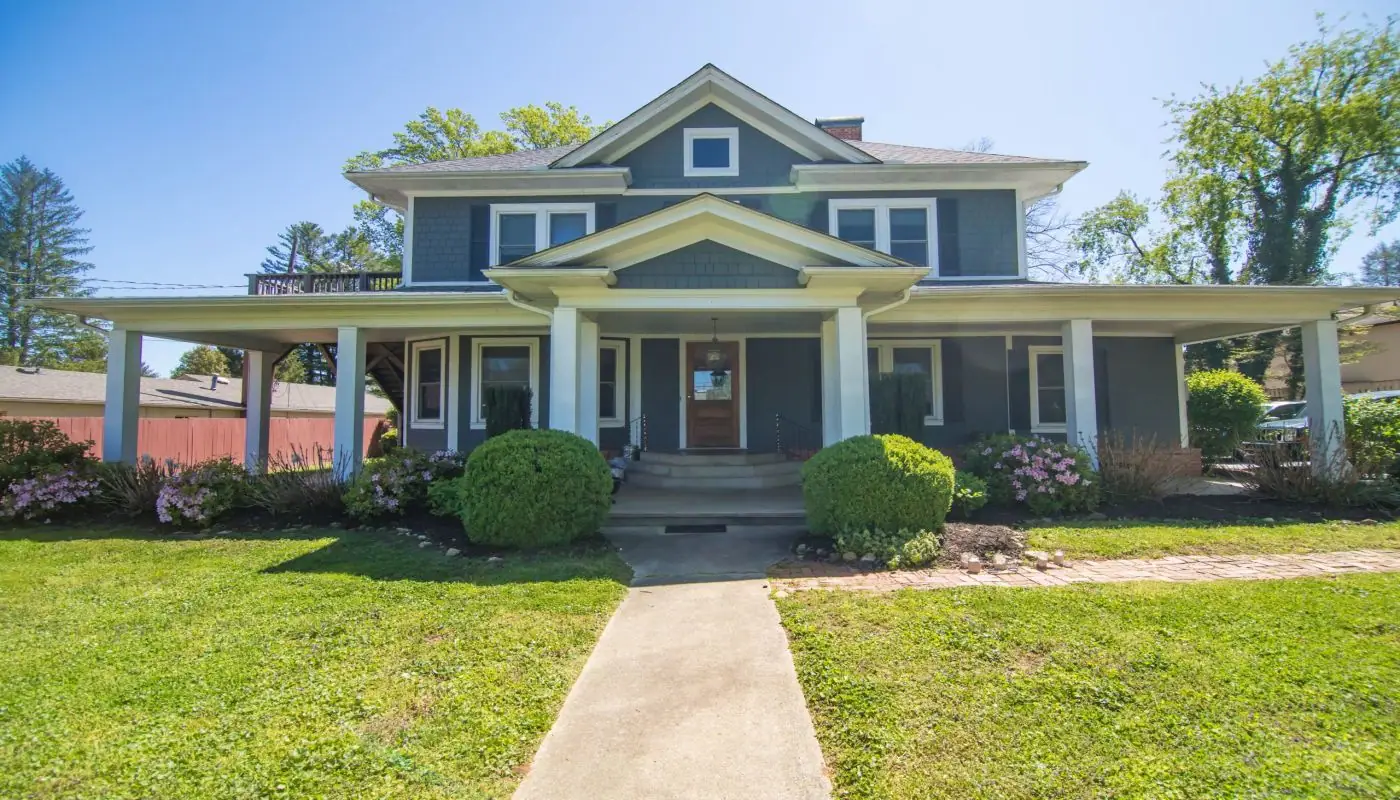
Tapestry Brevard is a treatment center for women located in Brevard, North Carolina.
- 30+ days program
- 16-30 beds

FAQ
Does North Carolina Medicaid pay for inpatient rehab at Southeastern Recovery Center?
Some inpatient rehab services may be covered by North Carolina Medicaid, though it hinges on the particular facility and whether the person qualifies. Southeastern Recovery Center does not say publicly which insurance plans it takes, so the surest route is to contact the center directly or call the helpline to confirm coverage. The helpline costs nothing and can put you in touch with advisors who help verify benefits with no commitment required. North Carolina has 430 SAMHSA-listed facilities, so other choices may work if this center does not match your coverage.
How long do people usually stay at Southeastern Recovery Center?
At Southeastern Recovery Center, most programs run roughly 30 days. The partial hospitalization program also lasts beyond 30 days. The residential program has 16 to 30 beds, and treatment plans are individualized, so your actual length of stay may differ based on your needs and progress. It is worth asking the center directly how they determine when someone is ready to step down to outpatient care. Follow-up sessions and alumni events are available after the initial program ends.
What therapies does Southeastern Recovery Center offer?
Cognitive behavioral therapy is available here, along with trauma-specific therapy, art therapy, and adventure therapy. The center also offers acupuncture, meditation and mindfulness, and individual counseling, including sessions led by a clinical psychologist. Its methods draw on evidence-based and holistic approaches plus Twelve Step principles. Group and family therapy round out the program. Mental health needs alongside substance use are treated alongside substance use, so therapy can work on both at the same time. If a particular therapy matters to you, ask whether it is offered at the level of care you prefer.
Does Southeastern Recovery Center suit a person who has a dual diagnosis?
Care options at Southeastern Recovery Center include co-occurring mental health, and its materials state that treatment plans deal with substance use and mental health conditions at once. Conditions it treats include anxiety, depression, PTSD, OCD, and grief and loss. For people who have an addiction disorder and a mental health condition, integrated treatment is often recommended. Even so, the center releases no outcome data, so it is reasonable to ask how clinical staff coordinate with each other and how medication management works. The helpline can help you compare options.
Speak with a person about this facility
The helpline is available 24/7 and links you up with trained advisors who can help you look into bed availability confirm insurance and learn more about this Concord facility. The call is private, costs nothing, and does not commit you to entering treatment. If you want to know whether Southeastern Recovery Center fits your needs, then a short call can give you clear answers about programs, payment, and what to expect. You can also find out about other SAMHSA listed facilities in North Carolina if this center is not the right choice. No pressure, just practical information so you can decide what to do next.