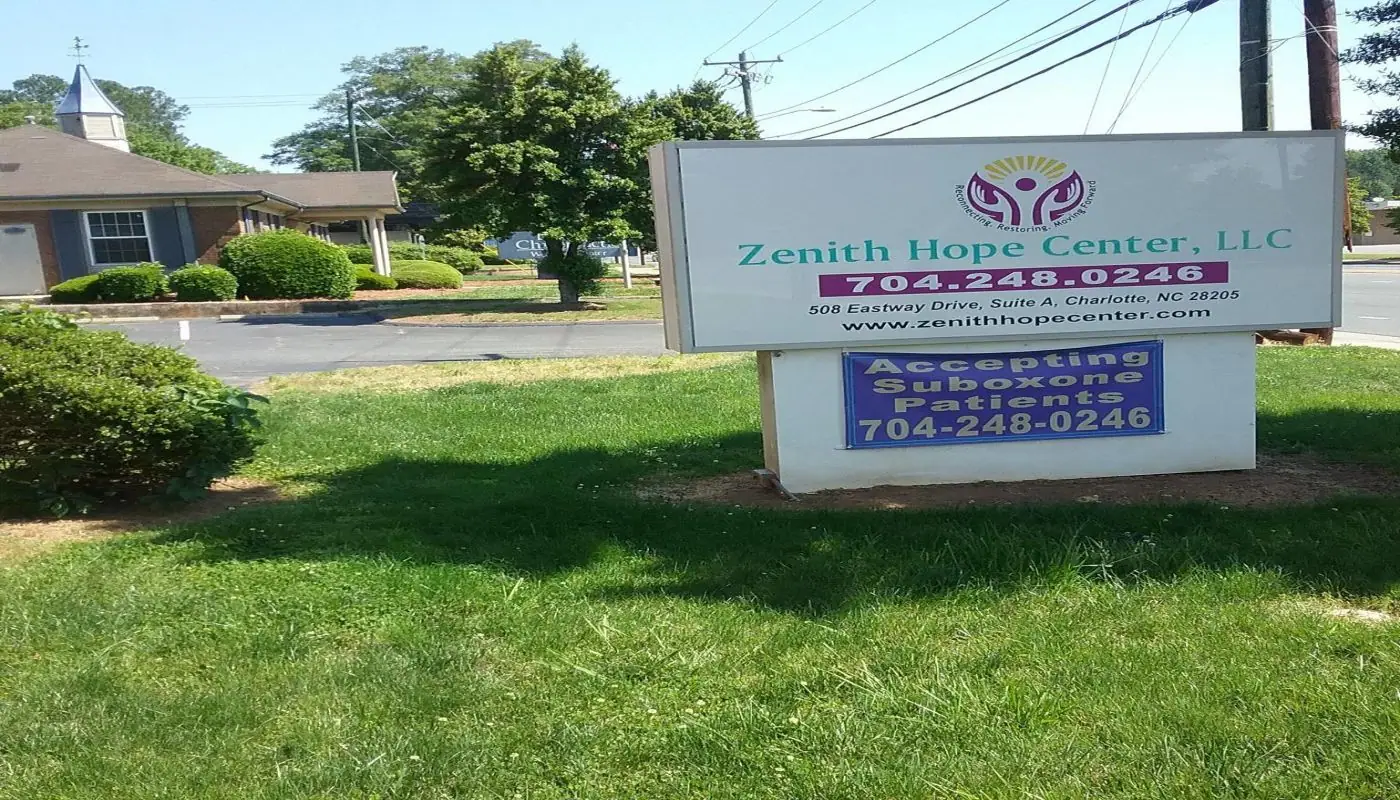
Zenith Hope Center Charlotte
Zenith Hope Center Charlotte is an outpatient program on Eastway Drive. It is one of 430 SAMHSA-listed facilities across North Carolina. Care here pairs medication-assisted treatment with counseling, offered in person or online.
- Outpatient
- 30 days
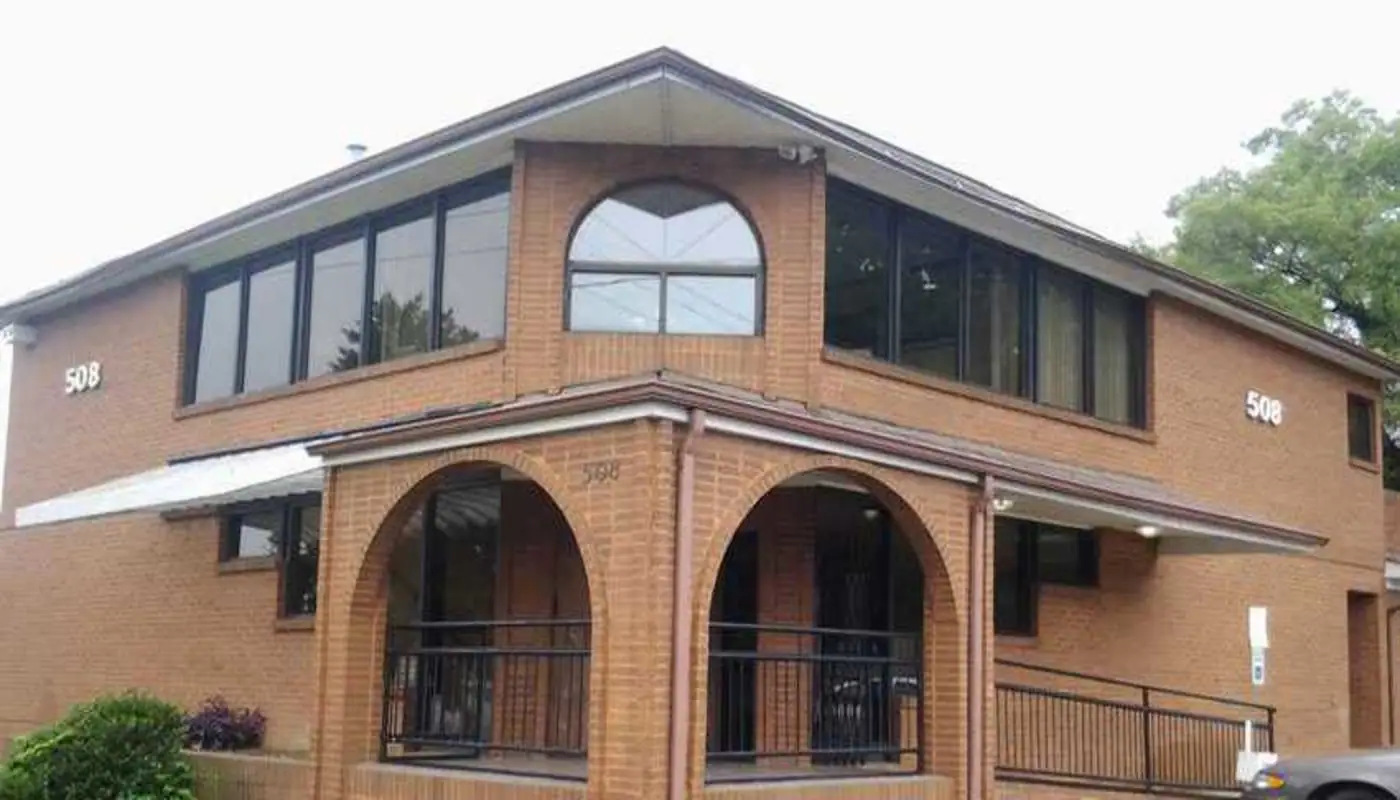
This is a Charlotte outpatient program built around substance use treatment, with opioid use as its clearest focus. Zenith Hope Center Charlotte serves adults, older adults, veterans, and adolescents in North Carolina outpatient care, including people without stable housing and emancipated minors. Sessions happen either at the Eastway Drive office or through virtual visits, so scheduling can flex around work, school, and caregiving.
The clinical approach is described as evidence-based and medical, with medication-assisted treatment for opioids as a named specialization. Counseling at this North Carolina rehab center runs in individual and group formats, and the program states that plans are individualized. Expect an intake conversation, an assessment, and a written set of goals rather than a single fixed curriculum for everyone who walks in.
Because the center operates as an outpatient service, people live at home and attend appointments. That structure suits someone with a stable place to sleep and some daily support. If someone is at risk during alcohol or benzodiazepine withdrawal, then a clinician should assess them before outpatient care begins, since that kind of withdrawal can become dangerous and calls for medical oversight.
Outpatient drug rehab programs
Zenith Hope Center lists outpatient care as the only level of care it provides, so treatment takes place through scheduled visits instead of an overnight stay. Programs typically run 30 days, and the center says plans are adjusted for each person. Counseling choices include individual sessions, group therapy, couples counseling, and family therapy.
Cognitive behavioral therapy is listed among the approaches, and medication-assisted treatment is named as a specialization alongside opioid treatment. The center's description names methadone and Suboxone as part of its medical support for opioids, though dosing decisions belong to the prescriber, not to this guide. Relapse prevention counseling and online therapy round out the service list, and self-help groups are named as aftercare. When you call, ask how the medication piece would work for you specifically.
- Family Therapy
- Individual Treatment
- Cognitive Behavioral Therapy
- Group Therapy
- Medication-Assisted Treatment
- 1-on-1 Counseling
- Relapse Prevention Counseling
- Medical
- Couples Counseling
- Online Therapy
Who this Charlotte program is built for
- Adults with a substance use disorder, including older adults and veterans
- Adolescents, with separate services noted for boys and girls
- Adult men and women who want outpatient care instead of a residential placement
- People with opioid use concerns, including heroin and prescription opioids
- People who have experienced trauma and want it addressed in counseling
- Couples and family members who wish to be involved in the treatment process
Setting, length of care, and language
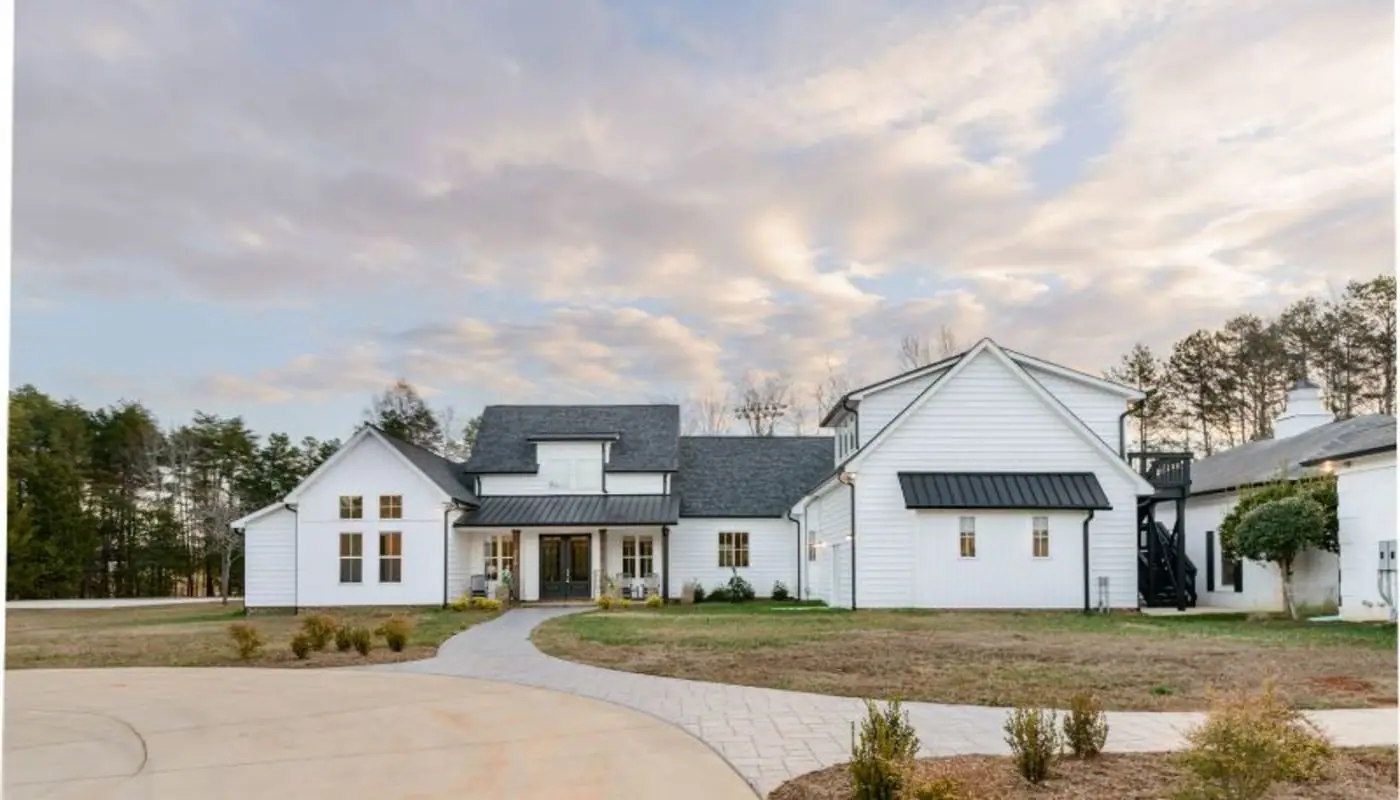
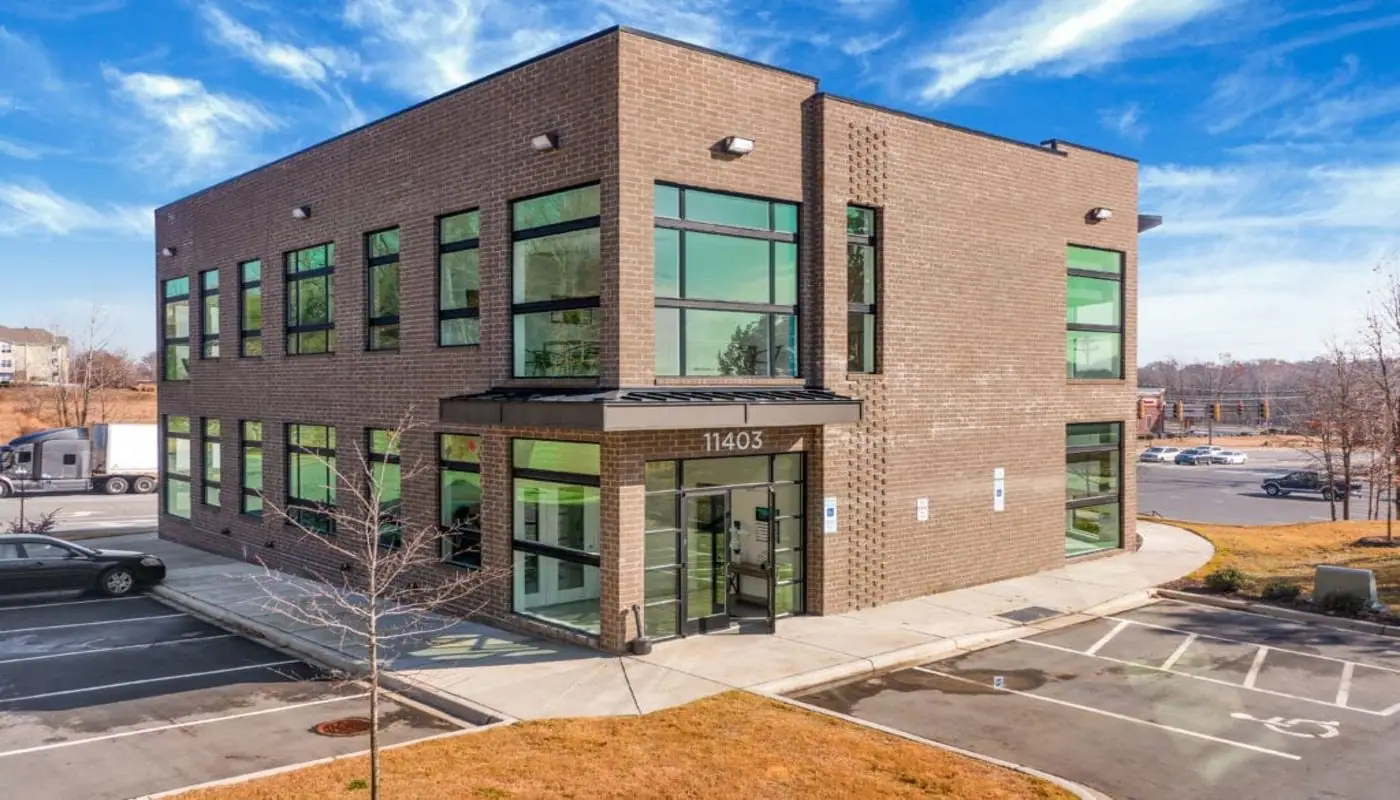
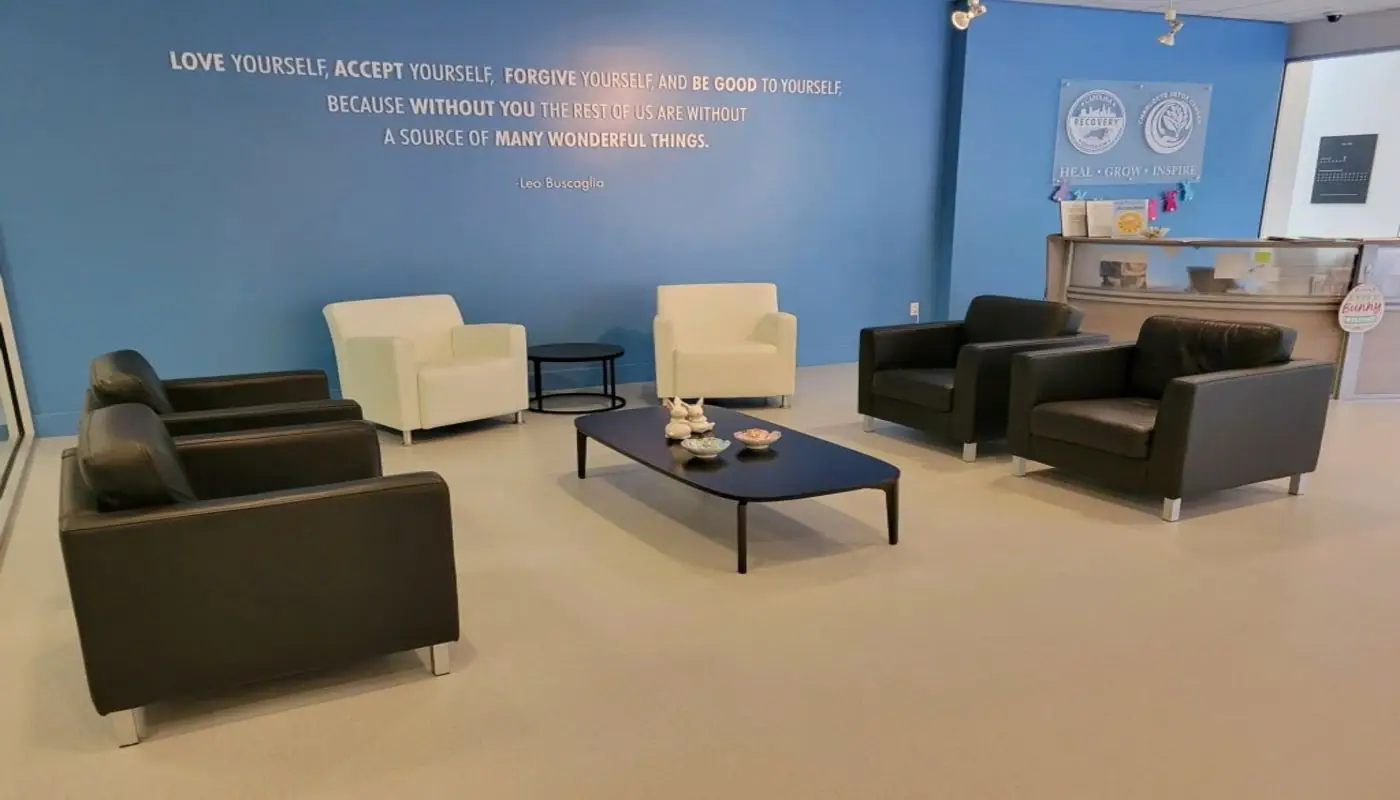
The center sits at 508 Eastway Drive Suite A in Charlotte, North Carolina, and offers services in person or online in English. This North Carolina rehab center states a typical 30-day program length and notes that schedules are matched to each person's situation. Two photos are posted, so it is worth asking for a walkthrough or a virtual tour if seeing the space matters to you.
Paying for care for Zenith Hope Center
Cash payment at pay rates is an option the center provides's listing names. Insurance coverage is not confirmed for this treatment center in North Carolina, so check by phone before booking, and ask which plans it bills and what a 30-day outpatient course would cost out of pocket. If North Carolina Medicaid is what you want to use, ask whether the center is in network before scheduling an appointment. Calling the helpline below costs nothing and helps you compare options and check availability, with nothing to sign.
Good questions before starting
- Does my insurance plan cover outpatient care at this clinic and what would I be responsible for out-of-pocket after it pays?
- How are medication-assisted treatment decisions made, and who prescribes?
- Each week how many days would I attend, and can sessions be virtual when that is needed?
- What happens once the 30 days end if I need more support?
- How are family members or a partner included in counseling, if at all?


More rehabs around Charlotte
-

Charlotte, NC
High Focus Charlotte
- Outpatient
High Focus Charlotte is an outpatient treatment center on Queens Road in Charlotte.
- 90+ days program
-
 Joint Commission
Charlotte, NC
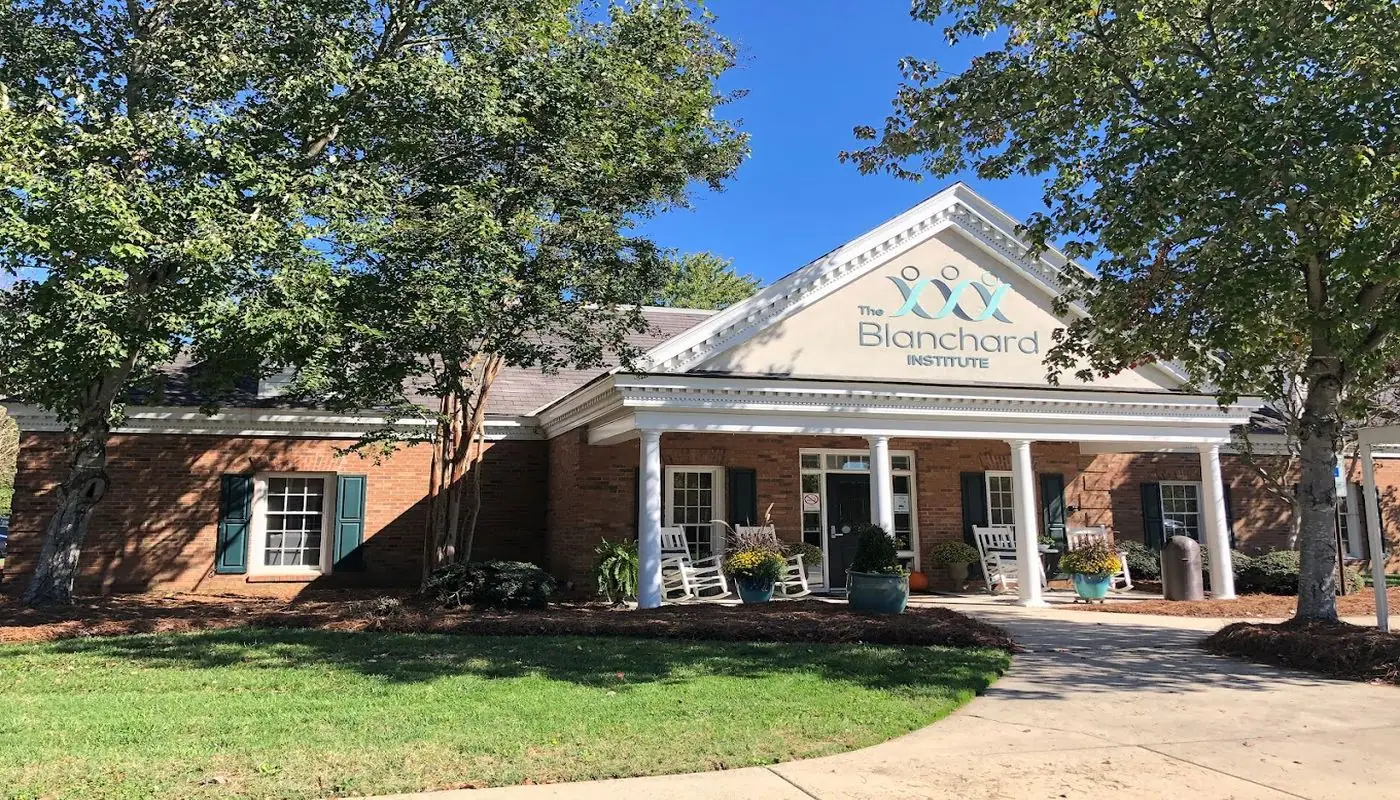
The Blanchard Institute
4.6/5231 Google reviews
- Co-Occurring Mental Health
- Outpatient
The Blanchard Institute Charlotte provides outpatient care for both mental health needs and substance use needs alongside substance misuse.
- 30 days program
-
Charlotte, NC
Grace Healing Journey
- Co-Occurring Mental Health
Grace Healing Journey Charlotte is a small Christian counseling practice in south Charlotte.
- 14+ days program
- 2-5 beds
-
 Joint Commission
Charlotte, NC
Newport Academy North Carolina
- Co-Occurring Mental Health
- Residential Rehab
Newport Academy North Carolina Charlotte is a residential program for teenage boys.
- 90 days program
- 6-15 beds
-
 Joint Commission
Charlotte, NC
Harmony Recovery Center
4.1/5221 Google reviews
- Outpatient
Harmony Recovery Center is an outpatient facility in Charlotte, North Carolina.
-
Charlotte, NC
Carolina Center for Recovery
4.8/5556 Google reviews
- Co-Occurring Mental Health
- Outpatient
Carolina Center for Recovery Charlotte is an outpatient program for adults with substance use and co-occurring conditions.
- 30 days program

FAQ
What does Zenith Hope Center Charlotte offer for drug rehab?
It offers outpatient drug rehab, with medication-assisted treatment named as a specialization and opioids listed among the substances treated. Counseling includes individual, group, couples, and family sessions, plus cognitive behavioral therapy and relapse prevention counseling. The stated typical program length is 30 days, and virtual visits are available for people who cannot come to the Eastway Drive office in person.
Does Zenith Hope Center accept Medicaid or insurance?
The listing names cash pay rates as the payment option and does not confirm insurance or North Carolina Medicaid participation. Dial the site to question which policies it bills, then ask what a 30-day outpatient program would cost you. If sorting through coverage is what you want help with, the helpline below connects callers with licensed providers at zero cost and with nothing required of you.
Is outpatient care enough, or do I need inpatient treatment?
That depends on your situation, and a clinician should make the call. Outpatient suits people with a stable home and daily support. Someone at risk during alcohol or benzodiazepine withdrawal needs medical oversight, because those withdrawals can become dangerous. If a higher level of care is recommended, ask the center for a referral rather than stretching an outpatient program to fit.
What is the typical length of stay in treatment at this center?
The center states that a typical program runs 30 days. Actual time varies from person to person, and the center notes that plans are matched to individual needs. At intake, ask how progress is reviewed and what happens if you need more than the standard course. Self-help groups are listed as aftercare, which can help bridge the time after the 30 days end.
Does North Carolina have a bad drug problem?
North Carolina has 430 SAMHSA-listed facilities, a count that reflects how much treatment demand exists across the state. Charlotte alone supports many outpatient programs, and opioid use is the focus named by this center. If you are weighing options, compare levels of care rather than picking the closest address. The helpline can help you check which programs have openings and accept your coverage.
Who qualifies for inpatient rehab?
Inpatient care is generally for people who need 24-hour monitoring or a safer setting during withdrawal. Alcohol and benzodiazepine withdrawal can become dangerous, so a clinician should decide whether that level of care is needed. This center lists outpatient care only, with a typical length of 30 days, so ask for a referral if inpatient is recommended.
Ask about openings at this center
If you want to know whether this Charlotte program has an opening, a sensible place to start is the helpline. Advisors answer around the clock and connect callers with licensed treatment providers; the call costs nothing, stays private, and attaches no commitment. Once you call, you can ask about coverage and current openings at North Carolina rehabs without pressure to enroll anywhere. They can help you confirm what the center offers and think through whether outpatient care fits your situation, or whether a clinician should first assess withdrawal risk. This site does not treat anyone or diagnose; it just helps you get to a real conversation.