
The Emily Program Douglas Durham
The Emily Program Douglas Durham is a residential eating disorder treatment center in Durham. North Carolina lists 430 facilities on SAMHSA FindTreatment.gov as of November 2026. This page explains the program's approach and what to ask before admission.
- Residential Rehab
- 90 Days


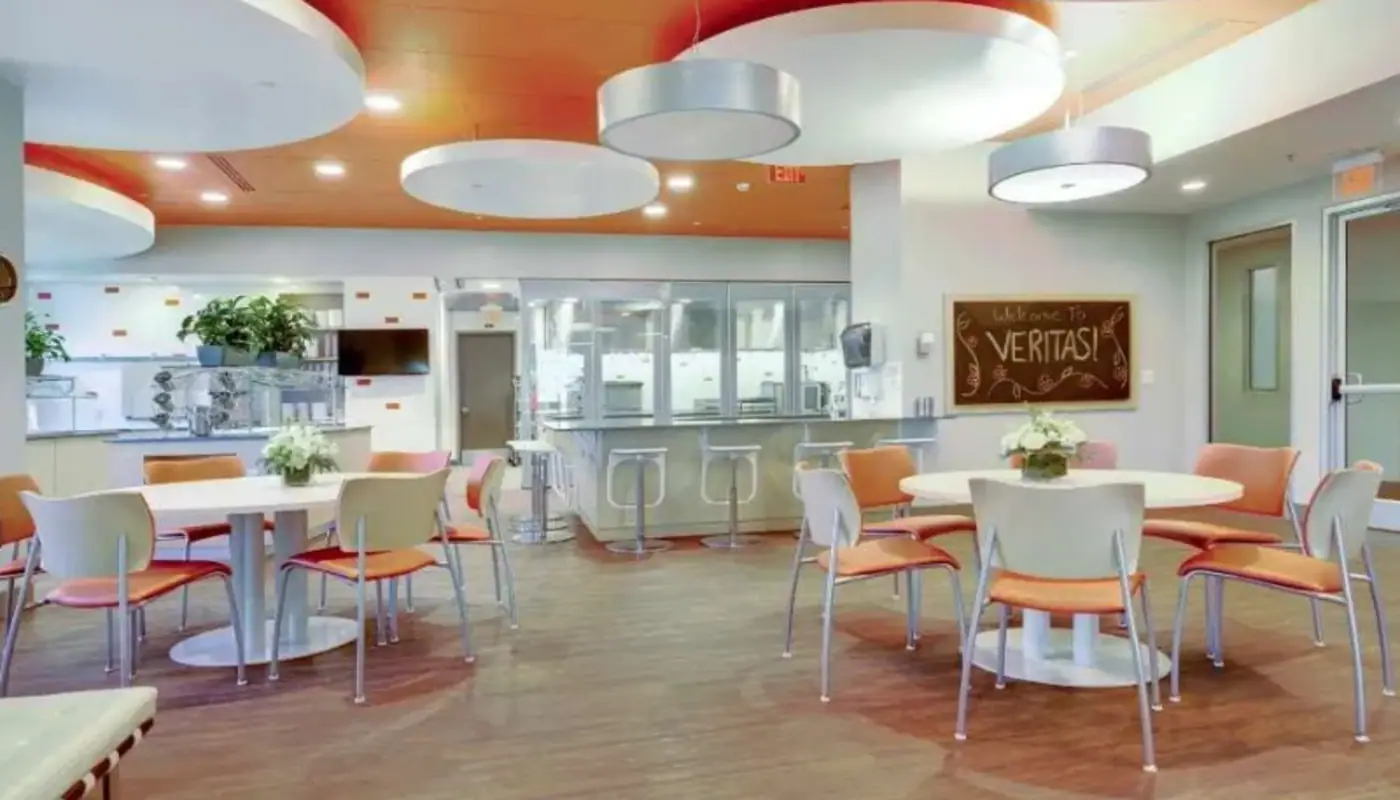
The Emily Program provides specialized care for people with eating disorders. The center's mission is to make evidence-based treatment and ongoing resources accessible so that recovery can last. Services range from round-the-clock inpatient care to outpatient support, available in person or virtually across several states. Multidisciplinary teams work with patients, families, and communities to build practical skills for continued healing at home.
Starting care can feel daunting. The Emily Program meets each person at their current point and supports gradual progress. Young people, teens, and grown-ups of all genders receive care here. Counselors, nutrition specialists, and medical providers address the various aspects of these conditions. Treatment often consists of individual and group sessions focused on CBT, DBT, nutrition teaching, and developing skills. Through therapeutic meals, art-based sessions, and mindful practices such as yoga, people explore how they relate to food and their bodies. For patients still in school, academic coordinators help keep up with assignments.
Residential eating disorder care
The Emily Program Douglas Durham offers residential rehab to people whose medical condition is stable but who need behavioral and medical support at all hours. Residential treatment is one level within a broader continuum that also includes inpatient, intensive outpatient standard outpatient and partial hospitalization care. The center uses evidence-based methods and combines individual treatment with family involvement. It takes a non-12-step approach.
Therapies at this site include individual counseling, art therapy, dialectical behavior therapy together with cognitive behavioral therapy and family therapy and group therapy, and psychoeducation. All are offered in English. As you consider residential programs in North Carolina, ask how each level of care is matched to a person's needs.
- Non 12 Step
- Evidence-Based
- Family Involvement
- Art Therapy
- Family Therapy
- Dialectical Behavior Therapy
- Individual Treatment
- Group Therapy
- 1-on-1 Counseling
- Cognitive Behavioral Therapy
The people this program takes in
- Adults of every gender, including men and women, who are medically stable but require 24-hour support.
- People with eating disorders who may also have co-occurring conditions.
- Individuals who need a structured residential setting rather than outpatient care.
- Families seeking a program that involves them in treatment planning.
- People looking for an evidence-based, non-12-step approach.
What the Durham setting looks like
Residential care typically runs 90 days, and the program has 16-30 beds. Amenities include internet access, air-conditioned rooms, and private or shared rooms. Yoga is on the activities schedule, and services are in English. The center is at 615 Douglas Street, Suite 500, Durham, NC 27705.
Paying for The Emily Program Douglas
Self-self pay rates are listed as a payment option. Insurance coverage and openings can change, so verify both by phone before you plan. If you have North Carolina Medicaid, ask whether this program accepts it and what paperwork is required. A free helpline can help you explore coverage and availability, and calling it commits you to nothing.
What to clarify before you admit
- Does the residential program accept my insurance or North Carolina Medicaid, and what will I owe?
- How does the team decide whether residential care or a lower level of care is appropriate?
- What is a typical day like and how often will I see a therapist and a dietitian?
- How are families involved, and what communication should we expect?
- What happens if my medical or mental health needs change during treatment?


More rehabs around Durham
-
Durham, NC
Structure House
- Residential Rehab
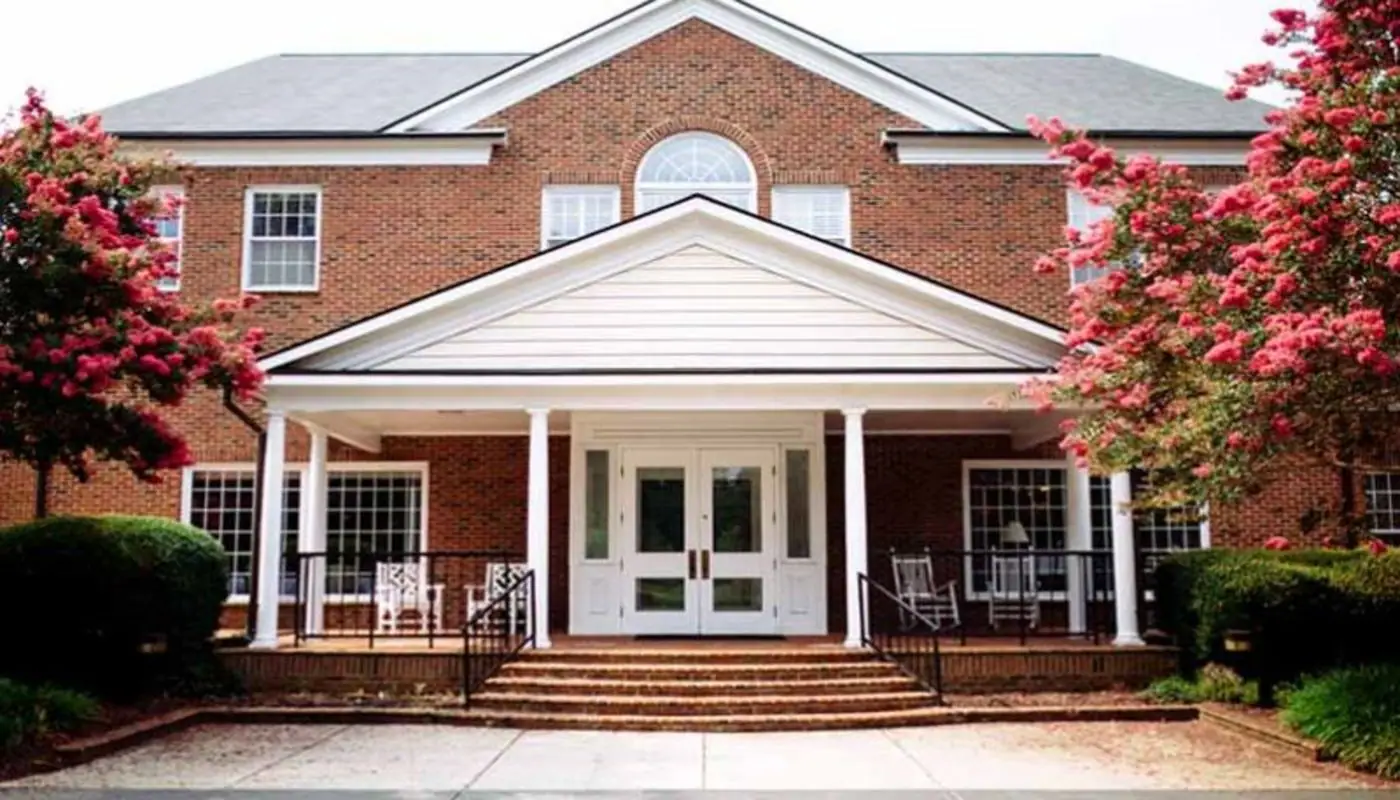
Structure House Durham is a residential rehab located in North Carolina.
- 28 days program
-
Durham, NC
The Emily Program Triangle
- Outpatient
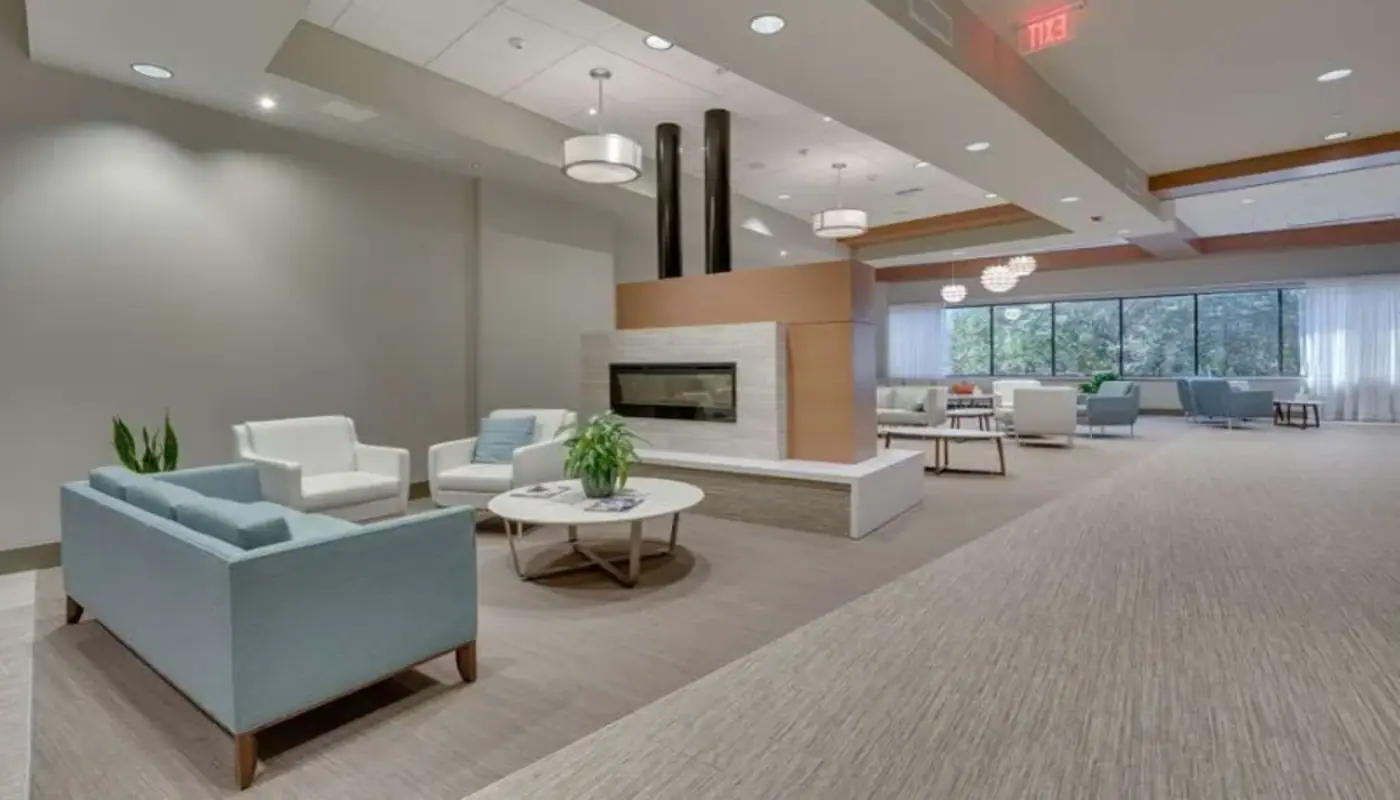
The Emily Program Triangle Durham offers outpatient services for eating disorders and co-occurring conditions.
- 90 Days program
- 16-30 beds
-
Durham, NC
Triangle Residential Options for
4.1/556 Google reviews
- Residential Rehab
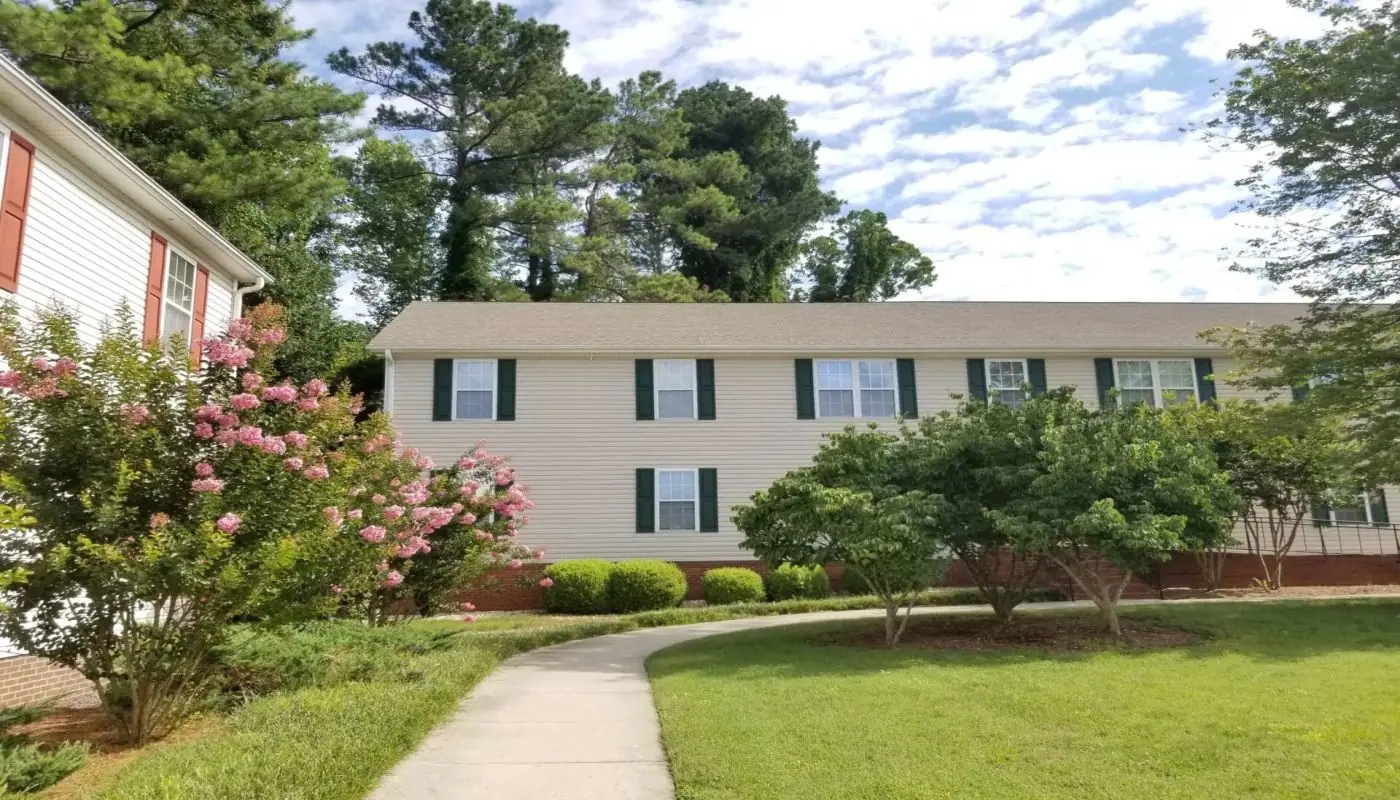
Triangle residential options for Durham include TROSA, a long-term program on James Street.
- 30 days program
-

Durham, NC
Eleanor Health Durham North Carolina
4.8/578 Google reviews
- Outpatient
Eleanor Health Durham North Carolina is an outpatient center on University Drive in Durham.
- 30 days program
FAQ
Does The Emily Program Douglas Durham accept Medicaid in North Carolina?
The center's listing shows cash pay rates, but the information provided does not say whether North Carolina Medicaid is accepted. Plans vary, and coverage differs from one level of care to another. The center can answer Medicaid and private insurance questions if you call directly. You can also use a helpline at no cost to review coverage options, and doing so obligates you to nothing. Verify every benefit before you decide anything.
How long do people typically stay at The Emily Program Douglas Durham?
Residential rehab here usually runs about 90 days. How long any one person stays varies with medical and clinical needs, so it may be less or more. With 16-30 beds, the center's openings shift over time. When you speak with the admissions team, ask what determines length of stay and what options exist if more time is needed. Covered days may also be capped by insurance.
What levels of care does The Emily Program offer?
The Emily Program outlines a complete range of services spanning inpatient, residential, partial hospitalization, intensive outpatient, and outpatient care. The Durham site lists residential rehab as the option it provides. When it is unclear which level suits someone, a clinical assessment can offer guidance. The center's evaluation process aims to match each person with the right intensity of care.
Is The Emily Program Douglas Durham a good fit for men?
Yes. The center serves men and women, and its programs are for adults of all genders. The residential setting includes private or shared rooms and internet access. Treatment includes individual and group therapy, family therapy, and psychoeducation. If you are a man seeking eating disorder treatment in North Carolina, ask the center about gender-specific groups and room arrangements.
Before admission to The Emily Program Douglas Durham, what insurance questions should I ask?
Ask whether your specific insurance plan is accepted and what your out-of-pocket amount would come to. Because the center lists cash pay rates, request those figures as well. Ask if prior authorization is needed and how many days of care are covered. A hotline at no charge can assist you check coverage, and nothing is required of you.
Talk through choices with a person
If you are considering The Emily Program Douglas Durham or other rehabs in North Carolina, a free helpline is available 24/7. Advisors answer questions, help you check insurance and availability, and connect you with licensed providers. The call is free and confidential, with no strings attached. No one will pressure you to enroll. You can also contact the center directly to ask about residential eating disorder treatment.