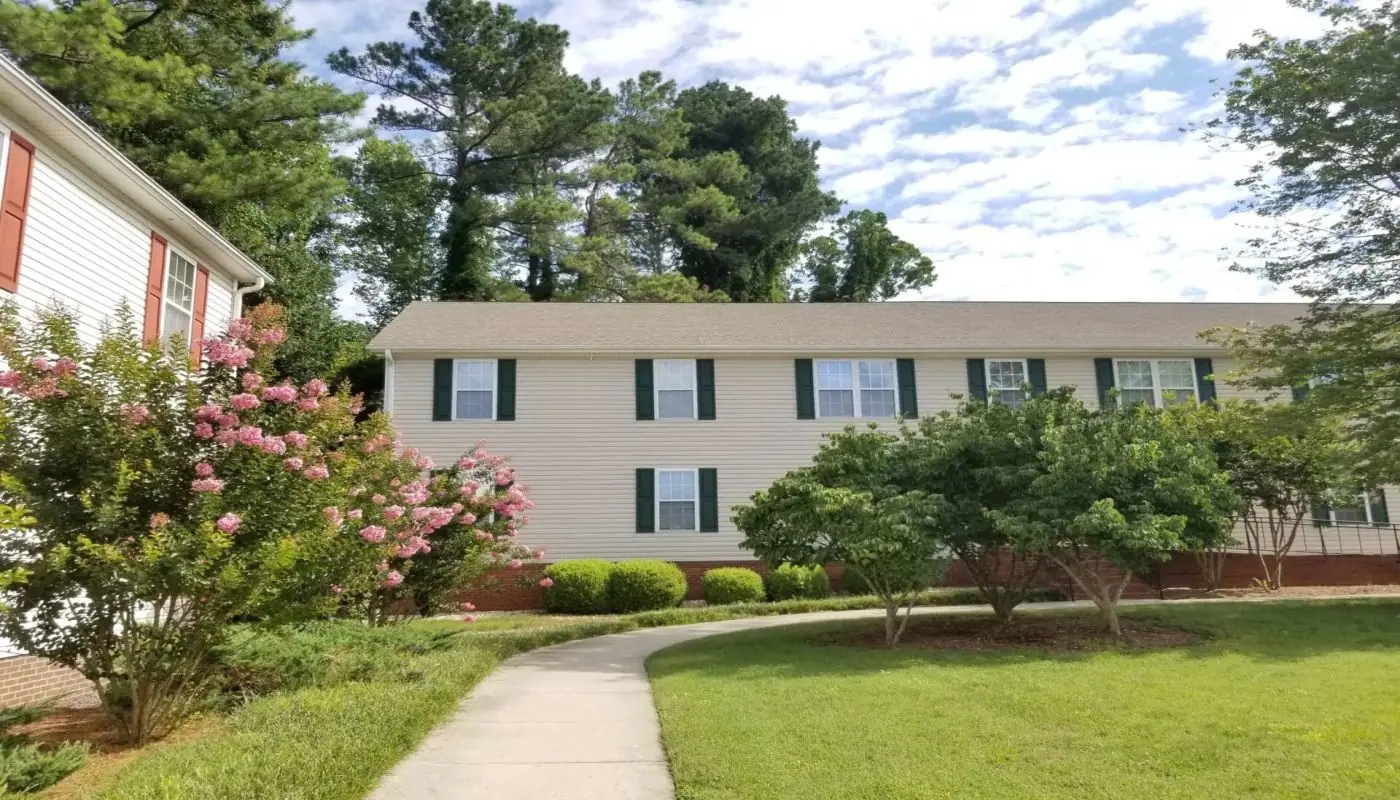
Triangle residential options for Durham
Triangle residential options for Durham include TROSA, a long-term program on James Street. The center opened in 1994 and offers residential rehab in a structured setting. This page explains what TROSA provides and how to check coverage.
- Residential Rehab
- 30 days
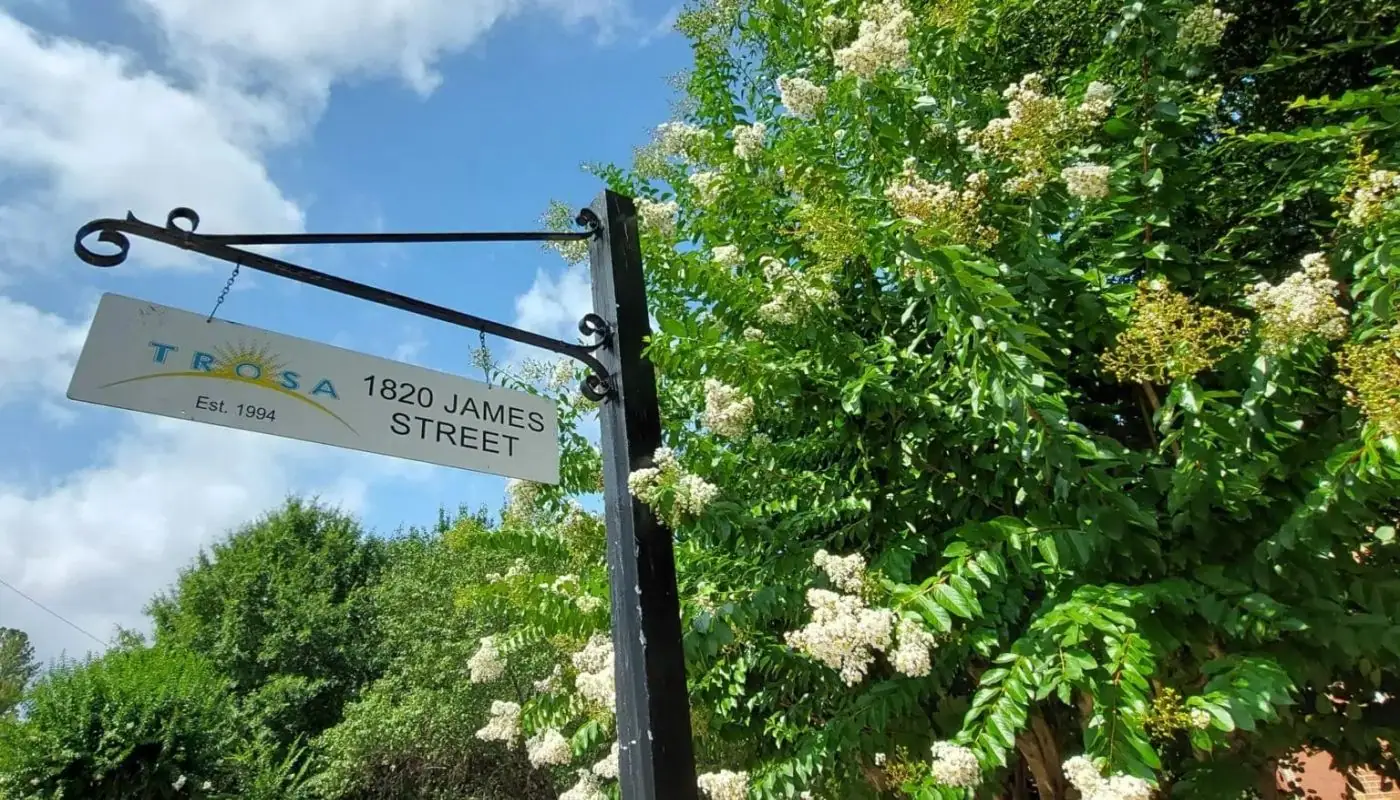
In Durham, TROSA runs a residential program that combines housing with job training and clinical support for adults who have substance use disorders. The center opened in 1994 and has developed a model where residents live on site while they work on recovery, education and employment skills. The program is designed for people who need more than a short stay; it offers structure, meals and clothing along with counseling and health services, so residents can focus on stability without worrying about basic needs. Staff use cognitive behavioral therapy and group sessions to help people understand triggers and build new habits, and participants also take part in skills classes that prepare them for independent living.
TROSA combines clinical care with community expectations. Residents have a daily schedule that includes vocational training, education, and counseling, and they get mentorship from individuals who have faced similar challenges. The center also treats co-occurring conditions like anxiety, depression, and trauma, which often occur with substance use. Since the program is long-term, it allows people to practice new behaviors in a real-world setting instead of rushing through a brief detox and going home. The aim is to help each person leave with a plan, a work history, and connections that support continued recovery.
Residential rehab and therapies at TROSA
TROSA's primary level of care is residential rehab, and the listed initial phase usually runs 30 days, although the complete program lasts longer. Therapy offerings include individual counseling, cognitive behavioral therapy, dialectical behavior therapy, EMDR, group therapy, life skills, online therapy, psychoeducation, and trauma-specific therapy. An evidence-based, holistic approach delivers these services, one that is individual and strengths-based with a wellness focus. If you need alcohol rehab in North Carolina with housing and meals included, then TROSA's residential program may fit. The center also addresses opioid and drug addiction, chronic relapse, and smoking cessation, and it provides continuing care, discharge planning, employment counseling, follow-up sessions in person or online, and support meetings once the residential phase concludes.
- Psychoeducation
- Holistic
- 1-on-1 Counseling
- Life Skills
- Dialectical Behavior Therapy
- Online Therapy
- Eye Movement Therapy (EMDR)
- Trauma-Specific Therapy
- Group Therapy
- Cognitive Behavioral Therapy
The people this program takes in
- Men and women, including young adults and veterans
- People with alcohol or drug addiction, including opioids
- Those with chronic relapse who need a longer structured stay
- People who have co-occurring conditions such as anxiety, depression, trauma, grief, or anger
Setting and program length at TROSA
TROSA's residential setting has rooms that May be private or shared and air conditioned, and the program is conducted in English. When you choose a residential program in North Carolina, then the living environment and daily schedule matter as much as the therapy. The initial phase typically lasts 30 days, but the center describes a long-term model that includes housing, meals, and clothing as part of the residential experience. This structure lets residents remain engaged in vocational training and counseling without the pressure of finding outside housing. The campus is in Durham, placing residents near employment and support resources in the Triangle area. Because the program is residential, people live on site and follow a daily schedule that includes therapy, skills classes, and community responsibilities.
Paying for residential rehab at TROSA
Payment options at TROSA are not detailed on this page, so calling the center directly is the best way to learn about cost and coverage. If you want to check whether North Carolina Medicaid or private insurance applies, then ask the center to confirm your benefits before you commit. The helpline can help you ask about insurance, Medicaid, and other funding sources, but it does not promise admission or coverage. The helpline costs nothing, keeps things confidential, and pairs you with trained advisors who can help you collect the right questions; a call does not obligate you to enroll. Alcohol and benzodiazepine withdrawal can be dangerous so clinical supervision should guide any medical needs during the residential stay.
What to ask this center directly
- What is the full expected length of stay, and does the 30-day figure cover only the first phase?
- Which insurance plans or Medicaid programs does TROSA accept, and what documentation do I need?
- How are medications for co-occurring conditions managed during the residential stay?
- What vocational training and education options are available, and how are they scheduled?
- What aftercare is included, such as follow-up sessions and employment counseling, and for how long?
More rehabs around Durham
-
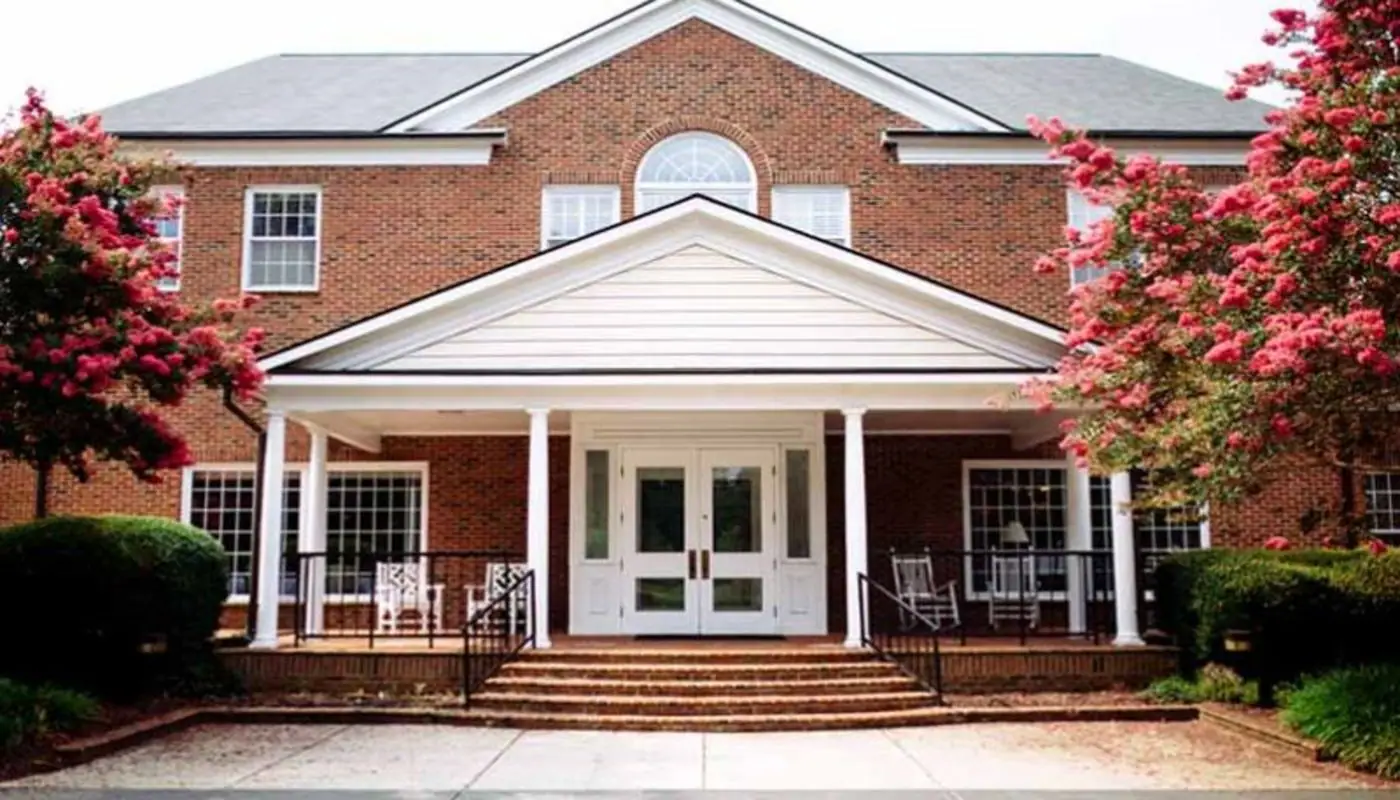
Durham, NC
Structure House
- Residential Rehab
Structure House Durham is a residential rehab located in North Carolina.
- 28 days program
-
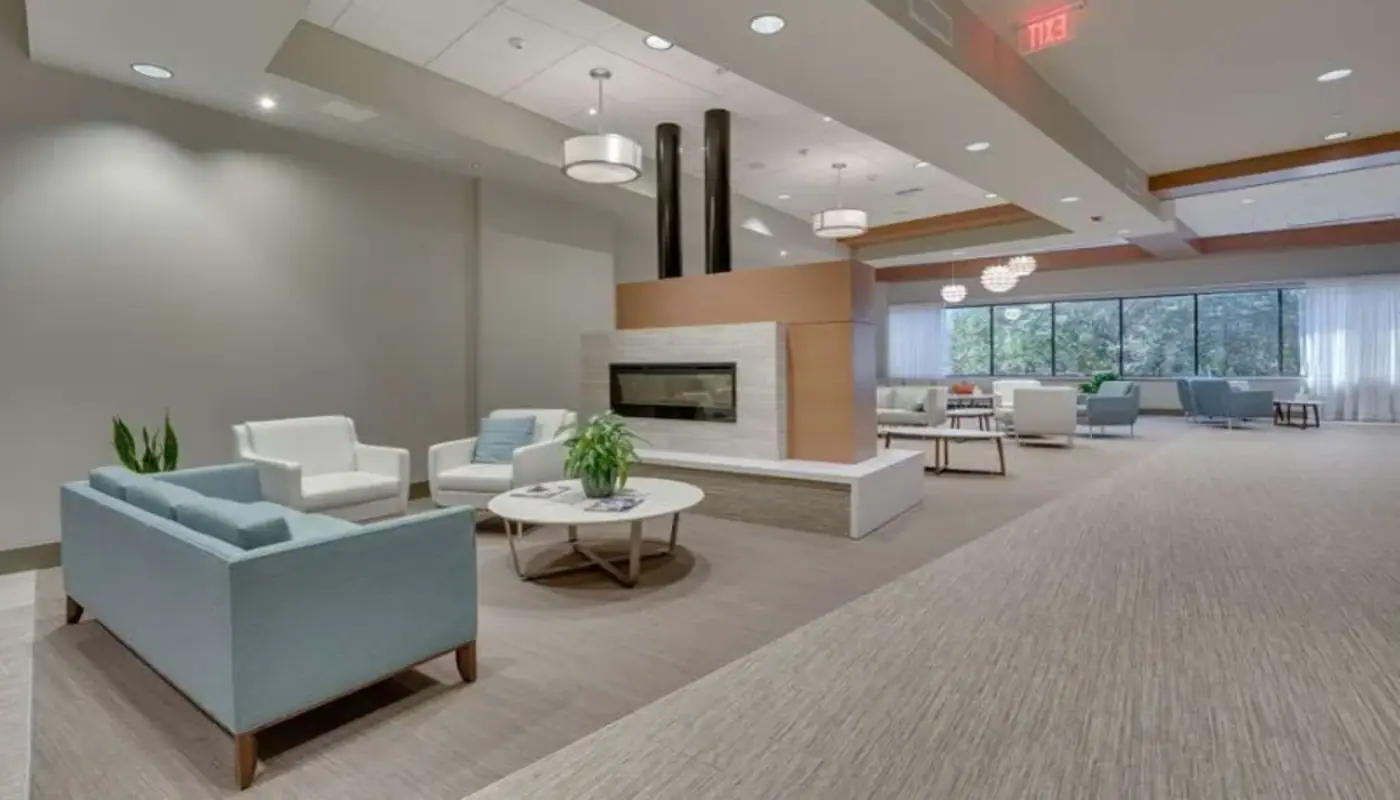
Durham, NC
The Emily Program Triangle
- Outpatient
The Emily Program Triangle Durham offers outpatient services for eating disorders and co-occurring conditions.
- 90 Days program
- 16-30 beds
-
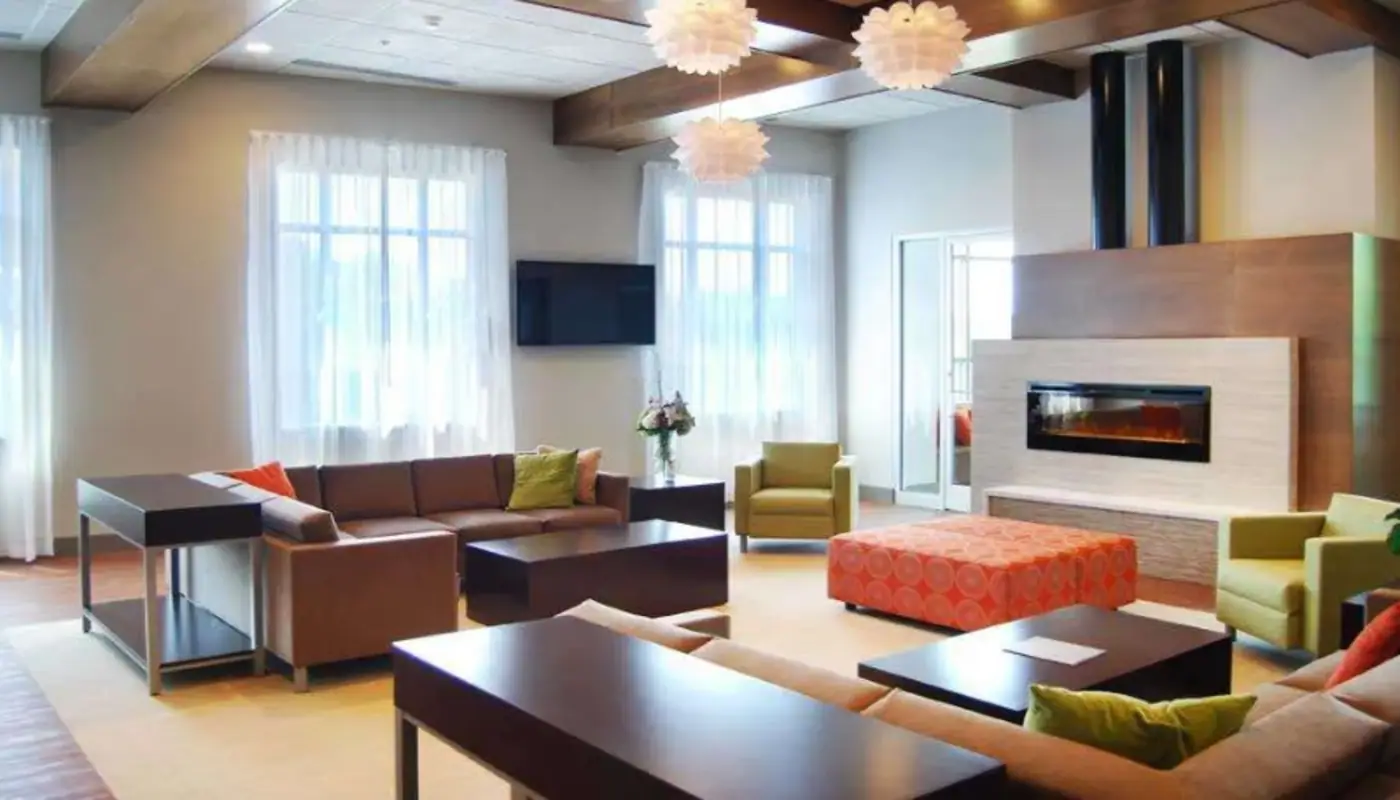
Durham, NC
The Emily Program Douglas
- Residential Rehab
The Emily Program Douglas Durham is a residential eating disorder treatment center in Durham.
- 90 Days program
- 16-30 beds
-
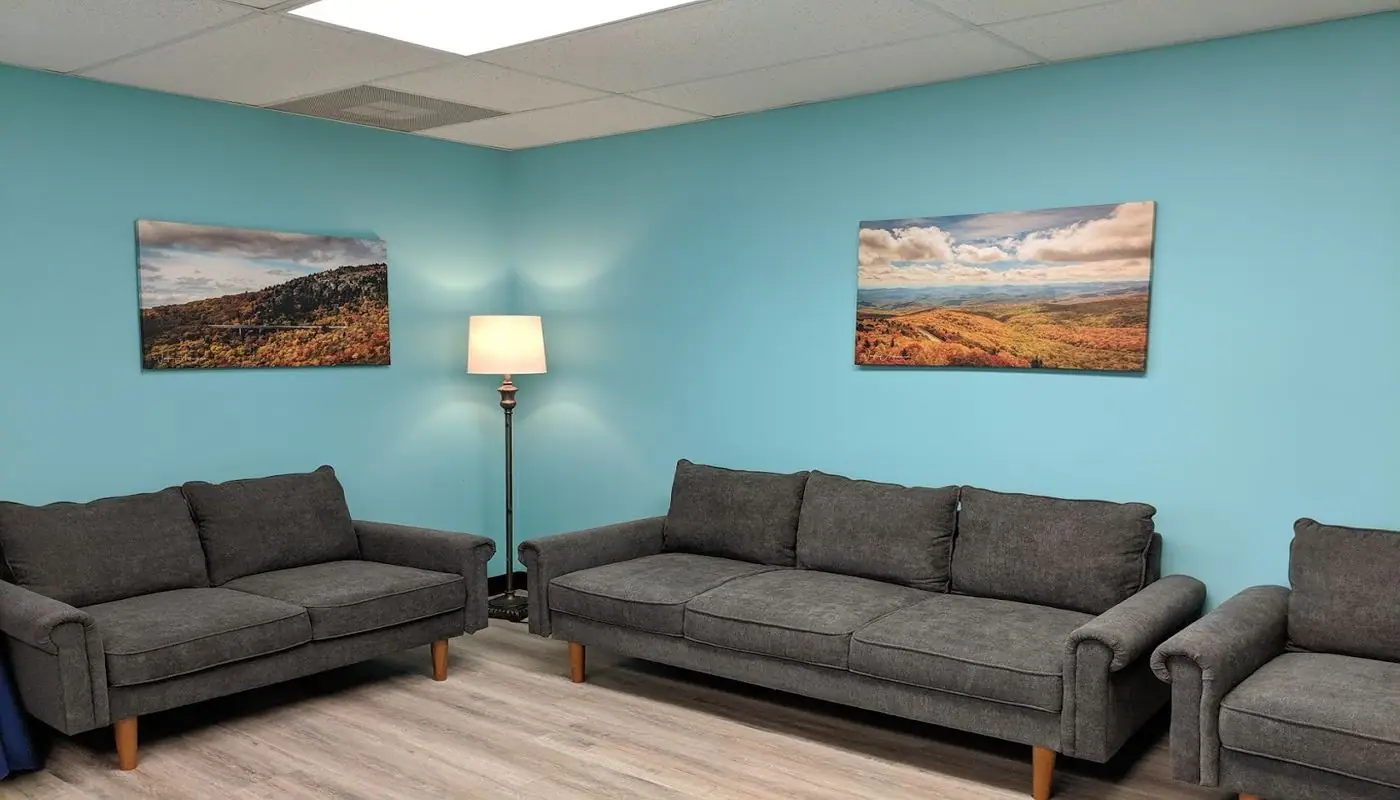
Durham, NC
Eleanor Health Durham North Carolina
4.8/578 Google reviews
- Outpatient
Eleanor Health Durham North Carolina is an outpatient center on University Drive in Durham.
- 30 days program

FAQ
Does TROSA accept Medicaid for residential rehab in Durham?
The facts available do not list TROSA's payment options, so you need to ask the center directly about Medicaid and other coverage. North Carolina Medicaid may cover some residential treatment, but eligibility and authorization rules vary. Call the center or the helpline to verify your specific plan before you apply. If you are unsure about coverage, then the helpline can help you prepare questions, but only the center can confirm what it accepts. The helpline is free, private, and does not commit you to treatment.
How long is the residential program at TROSA?
The initial program length is listed as 30 days, but TROSA describes a long-term residential model that includes housing, meals and vocational training. That means the full stay may be longer than 30 days depending on your needs and progress. Ask the center how they determine when someone is ready to move to continuing care. If you plan for a longer stay, then you can make housing and employment arrangements in advance.
What therapies does TROSA provide?
TROSA provides individual counseling, cognitive behavioral therapy, dialectical behavior therapy, EMDR, group therapy, life skills, online therapy, psychoeducation, and trauma-specific therapy. The center uses an evidence-based, holistic approach that is individual and strengths-based. If you have co-occurring anxiety, depression or trauma, then ask how these therapies are combined in the residential schedule. These therapies address both substance use and co-occurring conditions. The mix of clinical and vocational support is designed to prepare people for stable, independent living after they leave.
Who is eligible for TROSA's residential program?
TROSA serves men and women, including young adults and veterans, who have alcohol or drug addiction, opioid use, or chronic relapse. The program also treats co-occurring conditions such as anxiety, depression, trauma, grief, and anger. Eligibility can depend on medical and safety needs, so call the center to discuss your situation. After you call the helpline then you can get help preparing questions about admission and coverage, but only the center can confirm whether you qualify.
Is alcohol or benzodiazepine withdrawal dangerous without medical oversight?
Yes, alcohol and benzodiazepine withdrawal can be dangerous, and clinical supervision should guide the process because seizures and other serious complications can occur. TROSA's residential program may address these needs, but you should ask how medical care is handled during withdrawal. If you or someone you know is at risk, then seek medical advice before stopping alcohol or benzodiazepines suddenly. The helpline can support you in questioning the center about clinical support, but it does not provide medical advice.
How to check availability at TROSA
If you're considering residential programs in the Triangle area near Durham, the surest way to get answers about open beds, price, and what to pack is a direct call to TROSA. Reaching out to the helpline connects you to trained advisors who are able to help you ask the right questions and understand your Medicaid or insurance options. The center is not connected to that helpline; there is no cost, it remains private, and no enrollment is required. Asking how withdrawal and medical needs are handled at the center is also worthwhile, since alcohol and benzodiazepine withdrawal can be dangerous without a clinician watching. SAMHSA's FindTreatment.gov listings show 430 facilities in North Carolina, but current availability can only be confirmed by the center itself.